IN Brief:
- CWIEME Berlin will return to Messe Berlin from 27 to 29 April 2027.
- Four additional exhibition areas will cover manufacturing, logistics, asset maintenance, and switchgear.
- The inaugural Grid Delivery Summit will take place on 27 and 28 April, bringing together equipment suppliers, contractors, and network operators.
CWIEME Berlin is expanding its electrical manufacturing programme for 2027, introducing dedicated exhibition areas covering factory automation, grid equipment logistics, transformer lifecycle management, and switchgear. The exhibition will return to Messe Berlin from 27 to 29 April, with the inaugural Grid Delivery Summit taking place during its first two days.
The expanded programme reflects the pressures facing electrical equipment manufacturers as transmission and distribution operators increase infrastructure investment. Growing demand for transformers and switchgear is creating requirements for additional manufacturing capacity, while the delivery and maintenance of increasingly large equipment packages depend on specialist logistics and engineering resources.
The Factory of the Future will examine technologies supporting electrical manufacturing, including automation, robotics, artificial intelligence, machine vision, digital twins, connected machinery, and predictive maintenance. Its scope covers production and inspection processes that manufacturers can use to increase output while maintaining the electrical and mechanical tolerances required by their customers.
Transformer production incorporates several activities where manufacturing variation can affect the performance of completed equipment. Winding geometry, insulation assembly, and the preparation of magnetic cores influence characteristics including electrical losses, dielectric strength, and mechanical integrity. Automated inspection can help identify deviations before components progress into subsequent manufacturing stages, when corrective work may become more complicated.
Connecting inspection equipment with production records also provides opportunities to improve component traceability. Manufacturers can use information collected during assembly and testing to identify recurring production problems, while condition monitoring of manufacturing machinery can support maintenance planning. These technologies become particularly relevant when production facilities are operating at high utilisation and interruptions affect the delivery of multiple equipment orders.
The Grid Logistics Zone will extend the exhibition’s coverage beyond manufacturing facilities into the transportation and installation of electrical infrastructure. Participating suppliers will cover heavy transport, project cargo, shipping, specialist packaging, lifting, route planning, and equipment condition monitoring.
Large power transformers can weigh several hundred tonnes, with their dimensions and handling requirements restricting the routes through which they can be transported. Coordinating those movements requires manufacturers, logistics specialists, contractors, and network operators to establish delivery arrangements well before the equipment is ready to leave the factory. The condition and accessibility of the destination substation can influence the timing of delivery as much as the manufacturer’s production schedule.
For equipment already in service, the Transformer Lifecycle Hub will address maintenance, diagnostics, refurbishment, remanufacturing, and end-of-life management. Its scope encompasses oil treatment, rewinding, digital monitoring, condition assessment, and field engineering services.
Condition assessment allows network operators to determine whether individual transformers require closer monitoring, maintenance, or replacement. Dissolved gas analysis can provide information about abnormal electrical or thermal activity within oil-filled equipment, while other diagnostic techniques examine insulation condition, moisture, winding characteristics, and auxiliary equipment performance. Those findings can inform decisions about whether continued operation or refurbishment offers a technically appropriate alternative to purchasing a new transformer.
Extending equipment life where its condition permits can also reduce the immediate demand placed on manufacturing facilities. Refurbishment and remanufacturing nevertheless require access to specialist materials, engineering expertise, replacement components, and appropriate testing capabilities. Their contribution to network investment programmes therefore depends on the availability of a separate but closely related industrial supply chain.
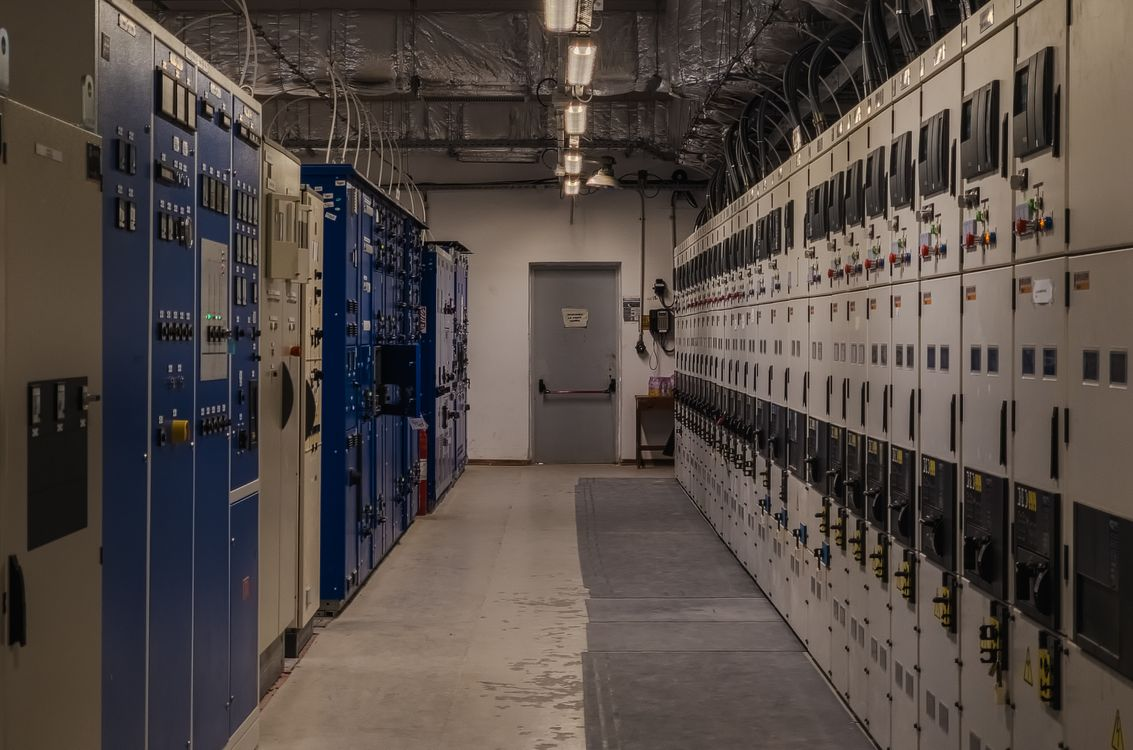
Switchgear Central will provide a dedicated area for the components, materials, and manufacturing technologies used in switchgear production. The addition comes as suppliers respond to growing network investment and develop equipment using alternative insulation technologies. Recent product developments include GE Vernova’s 145 kV SF₆-free switchgear, illustrating how changes in insulation technology are influencing equipment design and procurement.
“Electrical manufacturing is evolving quickly, and CWIEME Berlin needs to evolve with it,” said Melissa Magestro, portfolio director for CWIEME. “These new areas allow us to connect more of the electrical manufacturing lifecycle in one place, from making and moving critical equipment to maintaining it throughout its working life.
“The launch of the Grid Delivery Summit takes that a step further by bringing the organisations responsible for planning and operating the grid into the conversation. Together, these additions will help our community make connections and tackle the practical challenges involved in delivering the next generation of power infrastructure.”
The Grid Delivery Summit, previously outlined by the organiser in July, will bring together utilities, transmission and distribution system operators, engineering contractors, manufacturers, and suppliers. Its programme will examine infrastructure delivery constraints spanning project planning, procurement, manufacturing capacity, and supply chain coordination.
The conference will run alongside CWIEME Berlin’s established coverage of transformers, motors, coil winding, electrical materials, and production equipment. Its inclusion extends the event’s scope into the delivery of electrical networks, connecting equipment manufacturing requirements with the investment programmes responsible for generating demand across the industry.