IN Brief:
- The agreement gives Electrica development rights over land owned by Liberty Galați.
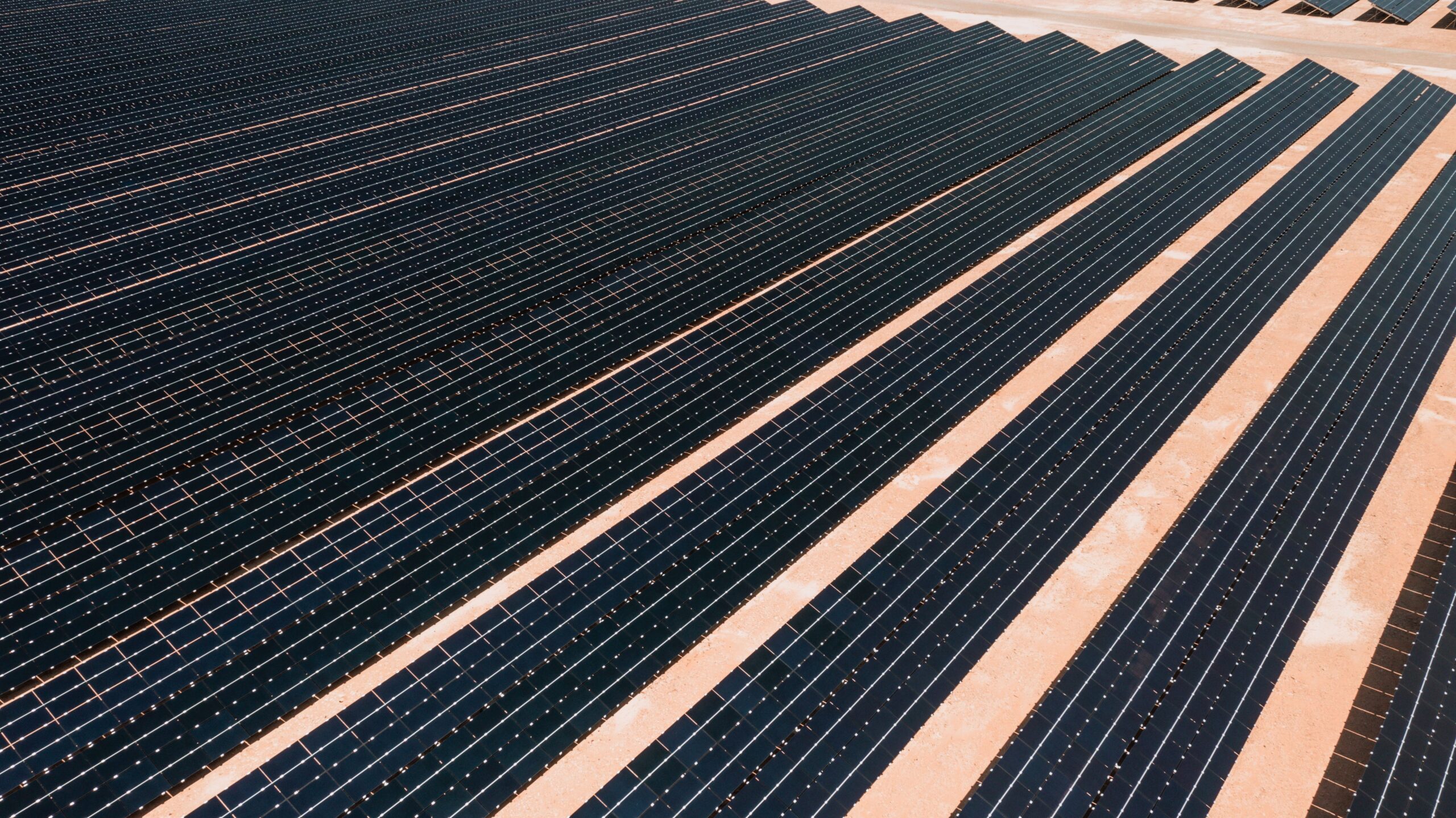
- The proposed generating infrastructure includes approximately 250 MWp of photovoltaic capacity.
- Detailed project specifications, grid connection arrangements, and investment decisions remain outstanding.
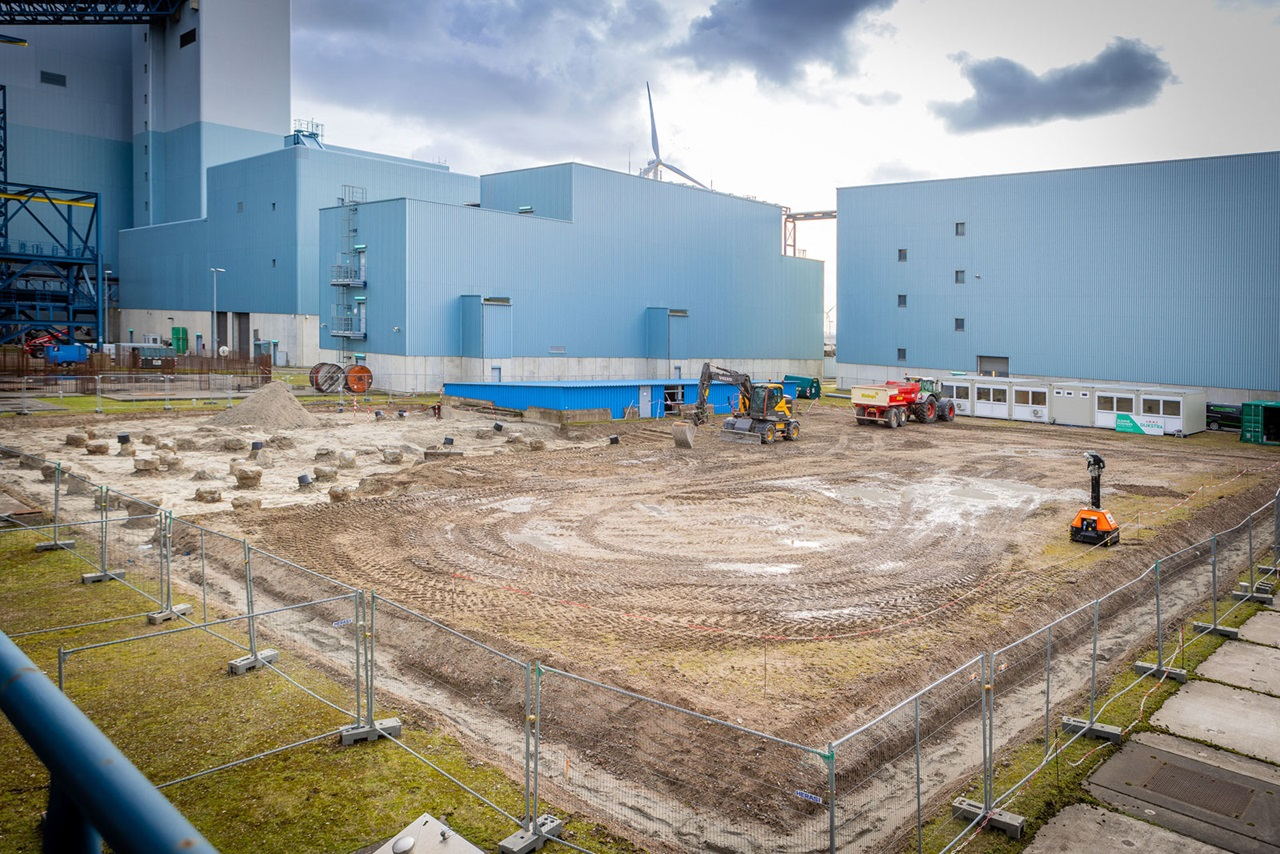
Electrica has secured development rights over approximately 240 hectares of land at Liberty Galați’s steelworks in eastern Romania, advancing plans for photovoltaic generation and battery storage with a combined power capacity of up to 500 MW. The 25-year agreement establishes a legal basis for developing electricity infrastructure within the country’s largest steelmaking complex.
The arrangement, disclosed to investors on 23 November, follows a memorandum of understanding signed by Electrica and Liberty Galați on 24 February. It establishes a superficies right, allowing infrastructure to be constructed and owned on land that remains under separate ownership. The agreement is the first implementation step under the companies’ earlier cooperation arrangements.
Electrica has identified approximately 250 MWp of photovoltaic capacity within the proposed development. The overall figure of up to 500 MW encompasses both generation and storage, but the final battery power rating and energy capacity remain to be determined. The company has not established the discharge duration of the proposed storage equipment or confirmed the distribution of capacity between individual installations.
Liberty Galați has identified available land within the industrial complex that could accommodate new electricity infrastructure through a greenfield development. The steelmaker is currently subject to Romania’s preventive restructuring procedure, a legal mechanism through which businesses facing financial difficulties can pursue arrangements intended to support their continued operation and financial recovery. The energy agreement does not establish the terms of that wider restructuring.
The location creates potential opportunities to develop renewable generation close to established industrial electricity infrastructure. Steelmaking operations require substantial electrical supplies for manufacturing processes, material handling, pumping, cooling, and other auxiliary equipment. Existing industrial substations can also provide a starting point for assessing potential electricity connection arrangements, although their ability to accommodate new generating capacity depends on their original design and available network capacity.
Introducing electricity generation into infrastructure originally configured to serve industrial consumption can change the direction and magnitude of power flows through transformers and distribution circuits. Assessing whether existing equipment can be retained requires consideration of thermal ratings, prospective fault currents, protection settings, and voltage control. These requirements become more complex when battery systems are added because the same installation can operate as either a source of electricity or an additional electrical load.
The relationship between the proposed photovoltaic generation and the steelworks’ electricity requirements will also influence the commercial configuration of the development. Industrial electricity demand may continue outside the hours when solar production is available, while periods of high generation could coincide with reduced production activity. Storage provides a means of altering when electricity is delivered, but its usefulness for meeting industrial demand depends on its eventual power and energy ratings.
Electrica has not disclosed whether the proposed installations will supply the steelworks directly, export electricity to the public network, or operate through a combination of commercial arrangements. Those alternatives have different implications for connection infrastructure, metering, electricity settlement, and the allocation of responsibilities between the developer and industrial customer.
The proposed scale of the development makes the availability of transmission and distribution capacity an important consideration. A project incorporating several hundred megawatts of generating and storage equipment may require new electrical collection circuits, transformers, switchgear, and potentially dedicated network infrastructure. The capacity available through existing industrial connections cannot be inferred from the size of the steelworks or the scale of its historic electricity consumption.
Romania has attracted several substantial renewable infrastructure investments during the current period of electricity market development. Earlier this month, Rezolv Energy appointed seven contractors for its Dama Solar development, advancing the engineering and construction of another major photovoltaic project. Such programmes increase demand for specialist contractors and equipment across the country’s electrical infrastructure supply chain.
Battery storage adds a further dimension to industrial electricity investment because it can support more than one commercial or operational objective. Alongside energy shifting, suitably configured facilities may provide flexibility to the public electricity network or manage variations in industrial demand. The feasibility of combining those activities depends on the project’s connection agreement, technical capabilities, and the commercial value of reserving capacity for different uses.
Electrica’s agreement provides access to the land needed to assess those opportunities, without establishing that the full development has been authorised or financed. Engineering studies, permitting, electricity connection arrangements, and further commercial decisions will determine the capacity that can ultimately be constructed and operated at Galați.