IN Brief:
- Tabernas I and II have operated since 2022 and are connected through the existing Miralles 30/220 kV substation.
- Earlier construction authorisations specified a combined battery power rating of 39.6 MW, compared with the latest reported installed rating of 42.4 MW.
- Naturgy expects to commission seven further storage installations during the coming months.
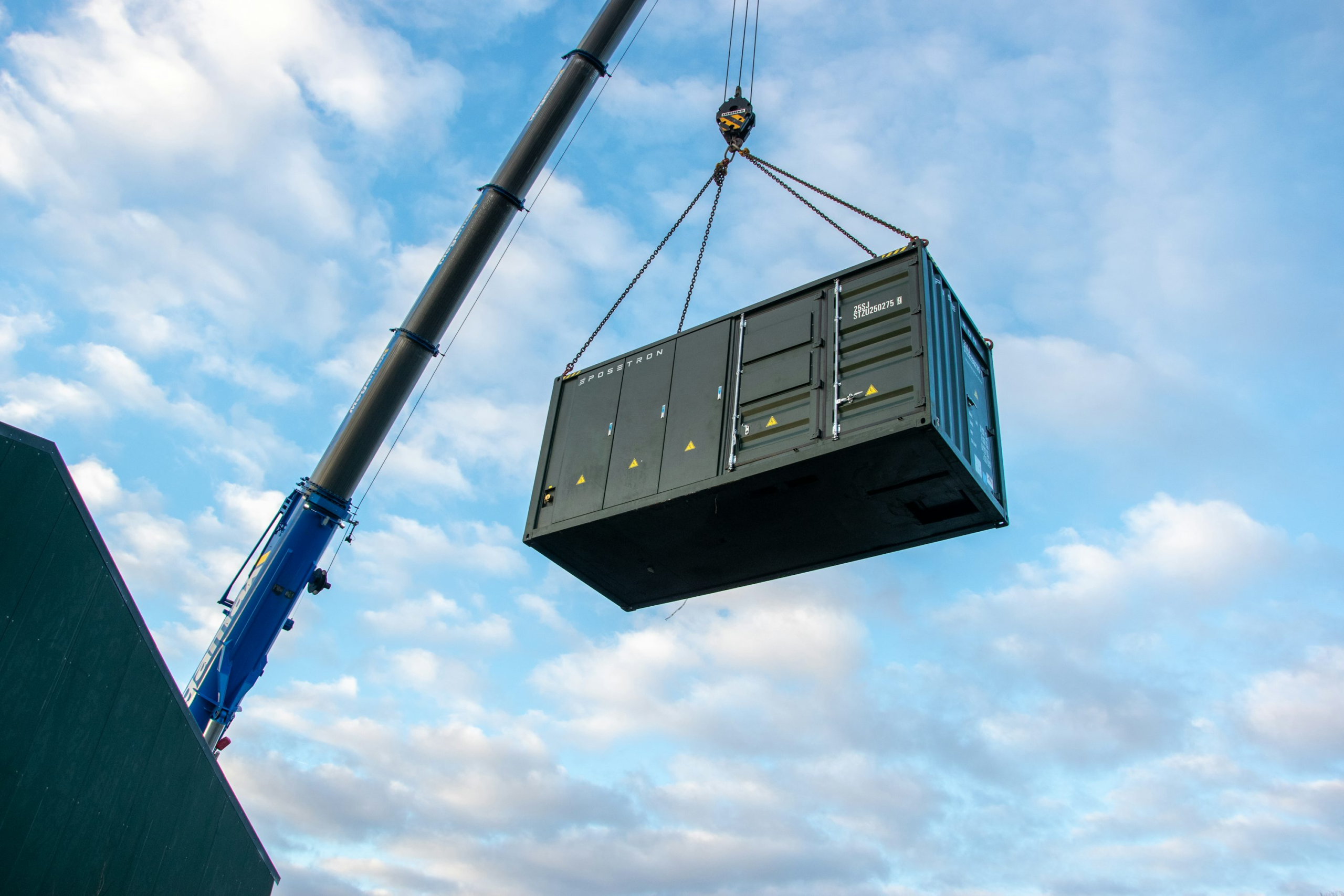
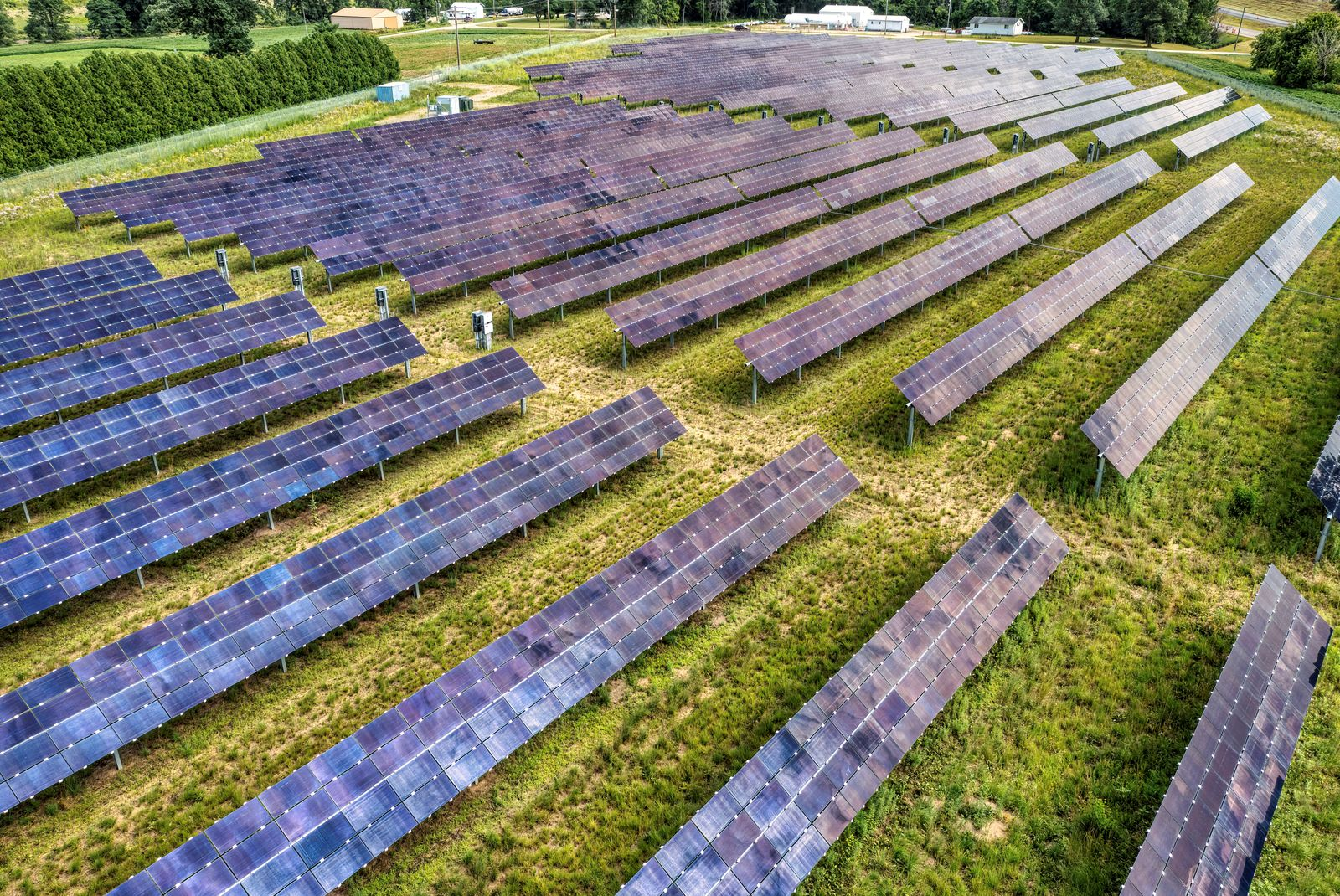
Naturgy has commissioned its first solar and battery hybridisation project in Spain, adding 42.4 MW of battery power and 89.4 MWh of energy storage to its Tabernas photovoltaic development in Almería. The €20.4 million investment combines two lithium-ion battery installations with existing generating infrastructure, establishing the first operational project of its kind within the company’s Spanish renewable energy portfolio.
The Tabernas I and II photovoltaic plants have operated since 2022. Their respective construction authorisations identify an installed capacity of 48.8 MW each, with both plants using electrical infrastructure connected to the Miralles 30/220 kV substation. The addition of batteries allows Naturgy to retain some of the electricity generated by the plants rather than exporting all available output when it is produced.
Spain’s Ministry for the Ecological Transition granted administrative and construction authorisations for the storage developments in May 2025, following applications submitted in March 2023. The decisions, published in the official gazette in October 2026, specified underground 30 kV circuits to connect the battery installations with the existing substation. Red Eléctrica had updated the relevant access and connection permissions in November 2024 to allow the batteries to be incorporated.
Each of those construction authorisations identified a battery power rating of 19.8 MW, giving a combined figure of 39.6 MW. Naturgy now reports 42.4 MW for the commissioned installations. The publicly available information does not explain the difference or establish whether it reflects revised equipment specifications or differences in the basis of measurement. The latest installed rating should not be treated as confirmation of an equivalent increase in authorised grid export capacity.
The commissioned batteries have a nominal discharge duration of approximately 2.1 hours at their combined stated power rating. How much electricity is available for dispatch at any particular time will depend on the batteries’ state of charge, operating limits, and conversion losses. Those constraints also determine the amount of surplus photovoltaic generation that can be absorbed during periods of high solar output.
The existing substation is a central element of the hybridisation project. Adding an energy storage installation to a generating plant changes the possible combinations of power flowing through the site’s electrical infrastructure. During charging, batteries can reduce net electricity exports, whereas discharging can increase the output presented to the network. If both photovoltaic generation and battery discharge occur simultaneously, the combined output must remain within the applicable connection and equipment limits.
Coordinating the two assets requires plant controls to reconcile available photovoltaic generation with battery charging requirements, grid export restrictions, and dispatch instructions. Metering must also distinguish electricity generated, stored, and subsequently delivered, particularly where the commercial arrangements permit charging from the external network. Naturgy has not specified whether the Tabernas batteries will use that operating strategy.
The investment comes as additional photovoltaic generation changes the daily pattern of wholesale electricity prices in Spain. Wood Mackenzie recently estimated €140 million in Spanish curtailment losses, illustrating the financial importance of electricity that cannot be exported when it is generated. Solar output from geographically dispersed installations can peak at broadly similar times, creating periods of abundant supply and low prices. Storage gives an operator the option to defer electricity sales, although its financial return depends on the price difference achieved, conversion losses, and the cost of using and maintaining the battery equipment.
Retrofitting existing solar farms can make use of land, electrical infrastructure, and connection rights already secured during the original development. It still requires a fresh assessment of equipment ratings, protection coordination, and permitted operating conditions. At Tabernas, the separate approvals for the two storage installations demonstrate the extent to which hybridisation must be accommodated within established network arrangements.
Spain’s updated National Integrated Energy and Climate Plan includes objectives of 76 GW of photovoltaic capacity, 62 GW of wind capacity, and 22.5 GW of energy storage by 2030. The storage target includes pumped hydro and other technologies, rather than representing a requirement exclusively for lithium-ion batteries. Different storage technologies and durations will address different periods of imbalance between electricity supply and demand.
Naturgy intends to add seven further installations during the coming months, representing more than €80 million of investment and a reported storage programme totalling more than 156.4 MW and 331.4 MWh. The commissioning of Tabernas I and II establishes an operating reference for the company’s expansion into hybrid renewable infrastructure, with the next installations due to enter service as their respective electrical integration and commissioning programmes conclude.