IN Brief:
- National Grid invested £6.707bn during the six months to 30 September 2026, up 33% at actual exchange rates and 32% at constant currency.
- UK Electricity Transmission investment rose 71% to £2.888bn as onshore and offshore ASTI projects advanced.
- The company expects approximately £13.5bn of investment during 2026/27, with delivery and supply chain arrangements secured for around 80% of its five-year programme.
National Grid increased capital investment to £6.707bn during the six months ended 30 September 2026, accelerating expenditure on high-voltage transmission infrastructure, electricity connections and distribution network reinforcement across its British and American operations.
Spending rose 33% from £5.052bn in the corresponding period of 2025 at actual exchange rates, equivalent to an increase of 32% at constant currency. UK Electricity Transmission recorded the largest increase, with investment rising 71% to £2.888bn as construction activity expanded across major onshore and offshore projects.
The higher transmission expenditure reflects the Accelerated Strategic Transmission Investment programme, known as ASTI, which is intended to increase the capacity of Britain’s electricity network as new renewable generation and electricity demand are connected. The programme includes high-voltage transmission lines, substations and offshore electricity connections.
National Grid attributed an additional £433m of first-half expenditure to offshore ASTI projects and £306m to onshore ASTI projects compared with the previous year. Further spending covered transmission infrastructure, customer connections, the completion of its transmission control centre and other network-related investment.
The expansion of transmission infrastructure is being driven partly by the changing location of electricity generation. Large offshore wind developments introduce substantial generating capacity at coastal connection points, while major electricity consumption remains concentrated across industrial, commercial and residential areas connected through the wider network.
Moving electricity between those locations requires sufficient transmission capacity. High-voltage lines, cables, transformers and substations must be capable of transferring the expected electrical load while maintaining acceptable operating conditions during normal service and following specified equipment outages.
Where the network cannot accommodate the available generation, system operators may need to reduce electricity output in one location and obtain power from another source. Reinforcement can reduce these constraints by increasing transfer capability, although the resulting operating benefits depend on the configuration of the completed network and the conditions encountered during electricity dispatch.
National Grid’s investment programme includes Eastern Green Link connections, major onshore reinforcements and new transmission substations. These projects are intended to establish additional electrical pathways and increase the network’s capacity to accommodate generating assets and growing demand.
Capital expenditure does not translate directly into new operational capacity during the same reporting period. Major transmission developments incur costs during design, equipment procurement, civil engineering, installation and testing, with the resulting electrical infrastructure becoming available only after the necessary construction and commissioning activities are complete.
The company has increased its use of longer-term engineering and supply chain arrangements to support this work. Around 80% of the delivery and supply chain mechanisms required for National Grid’s £70bn five-year investment programme have now been secured, compared with approximately three-quarters at the end of the previous financial year.
National Grid reports that the critical primary supply chain for its ASTI programme is secured, with additional non-primary contracts placed during the first half. The arrangements provide routes for obtaining equipment and specialist services, but do not indicate that 80% of the planned infrastructure has already been constructed.
Equipment availability is an important constraint on transmission delivery. High-voltage cables, transformers, switchgear and converter systems require specialised manufacturing capacity, while major substation and line projects also depend on suitable construction resources, access arrangements and opportunities to work safely on or near existing electrical infrastructure.
The company is pursuing approximately £17bn of ASTI investment over five years. All six first-wave projects are now under construction, with most expected to be completed by March 2031. Further projects remain at varying stages of planning, consent and physical delivery.
Progress is not uniform across the programme. National Grid is working to recover delays affecting Eastern Green Link 1, while other projects, including Yorkshire Green and Eastern Green Link 2, are progressing ahead of their respective delivery schedules.
The company secured development consent for Sea Link on 30 October. That project will provide a high-voltage connection between Suffolk and Kent, using approximately 138km of subsea cable alongside converter stations and associated onshore infrastructure. Construction is expected to begin in 2027, subject to detailed delivery preparations.
Electricity Distribution investment also increased during the first half, rising 10% to £834m from £756m. The expenditure includes asset replacement, new customer connections and reinforcement of networks across the Midlands, South West and South Wales.
Distribution infrastructure faces different operating requirements from the bulk transmission system. Additional demand from electrified transport, heating, industrial facilities and data centres can increase loading on local cables and transformers, while embedded renewable generation and batteries can introduce electricity flows in directions that differ from traditional network arrangements.
Higher electrical demand may require additional transformer capacity, replacement conductors or reinforcement of distribution substations. Increasing distributed generation can also require changes to voltage regulation, protection settings and network control arrangements to accommodate electricity exported from local installations.
National Grid has been developing procurement frameworks and individual reinforcement schemes to address these requirements. The company’s distribution business is preparing its next regulatory investment plan, with approximately £9bn of expenditure proposed over the five years covered by the forthcoming ED3 price control.
Investment also increased in National Grid’s American networks. New England expenditure reached £1.105bn, up 14% at constant currency, while New York investment rose 11% to £1.775bn. These programmes cover network expansion, reinforcement and the maintenance of electricity and gas infrastructure.
Regulated networks accounted for £6.602bn of the group’s total first-half investment. National Grid Ventures contributed £100m, with a further £5m recorded under other activities, leaving the overwhelming majority of capital spending associated with the regulated infrastructure businesses.
The group expects capital investment of approximately £13.5bn for the full 2026/27 financial year. Its longer-term framework provides for at least £70bn of investment over the five years to March 2031, covering electricity networks and adjacent infrastructure activities in Britain and the north-eastern United States.
Underlying operating profit increased 13% at constant currency to £2.591bn, while statutory operating profit rose 55% to £2.359bn. Net debt reached £48.6bn at 30 September, an increase of £4.4bn since March, reflecting the scale of investment alongside other financing and corporate activities.
The higher expenditure coincides with the first year of Britain’s RIIO-T3 transmission price control. The regulatory framework establishes the financial arrangements supporting approved transmission investment, with capital expenditure and delivery performance contributing to the group’s regulated asset and revenue position.
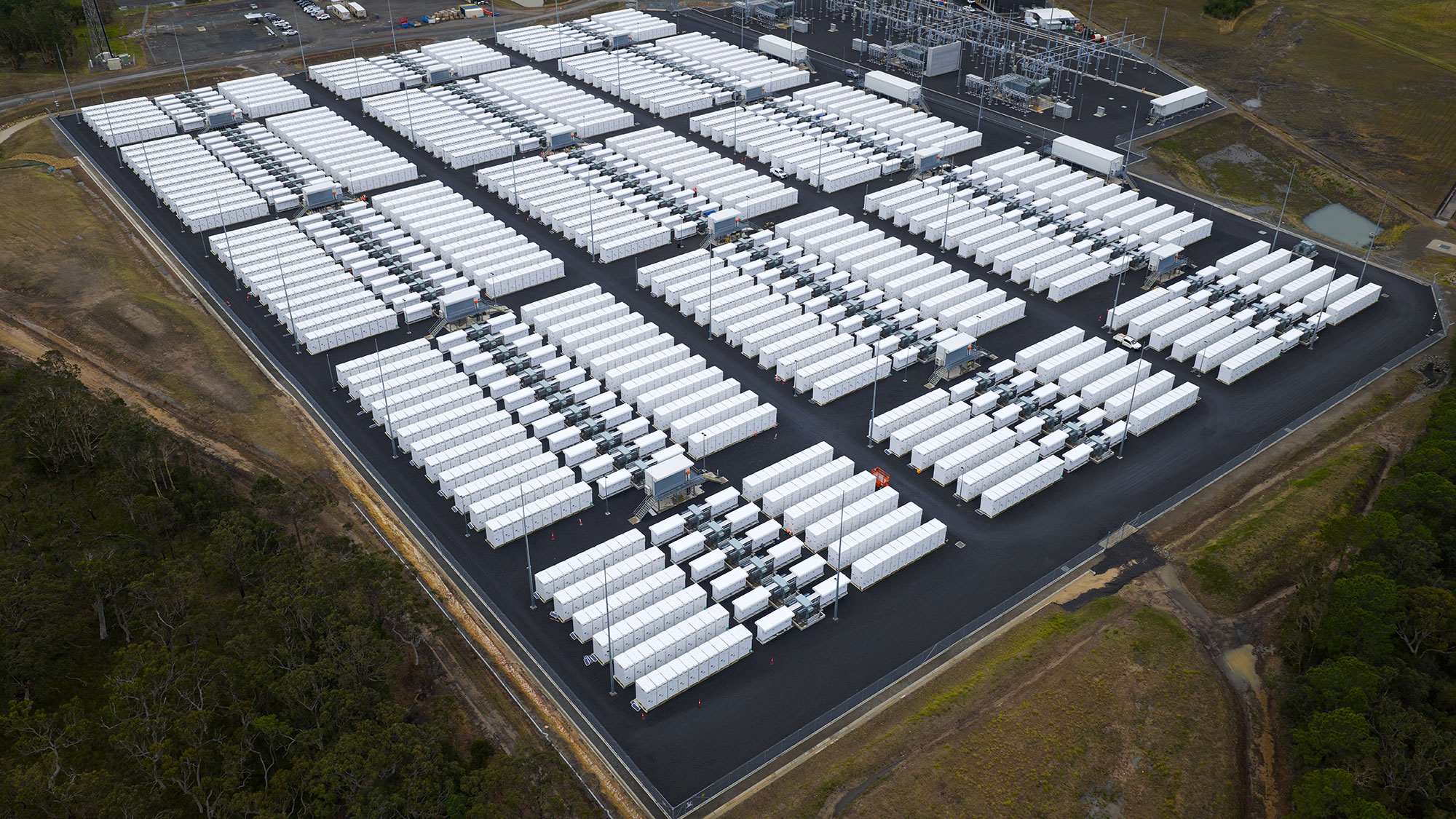
National Grid also reported connecting 2.5GW of generation during the first half, including the Sofia offshore wind farm and a major battery project in Newport. Connections require the necessary network infrastructure and operating approvals, and the completion of a connection does not necessarily mean every associated generating asset is already producing electricity at full capacity.
With approximately £6.7bn invested during the first half, National Grid expects a further substantial programme of expenditure before the financial year ends in March 2027. The delivery of additional transmission and distribution capability will depend on progressing the underlying construction, equipment installation and commissioning work across the portfolio.