IN Brief:
- Energiekontor has commissioned Elsdorf-Frankeshoven and Elsdorf-Tollhausen, comprising seven Nordex N149 turbines and approximately 40MW of capacity.
- The town of Elsdorf has taken ownership following an August 2025 agreement to acquire both turnkey developments.
- Expected annual production is approximately 90GWh, while Energiekontor will continue technical and commercial management.
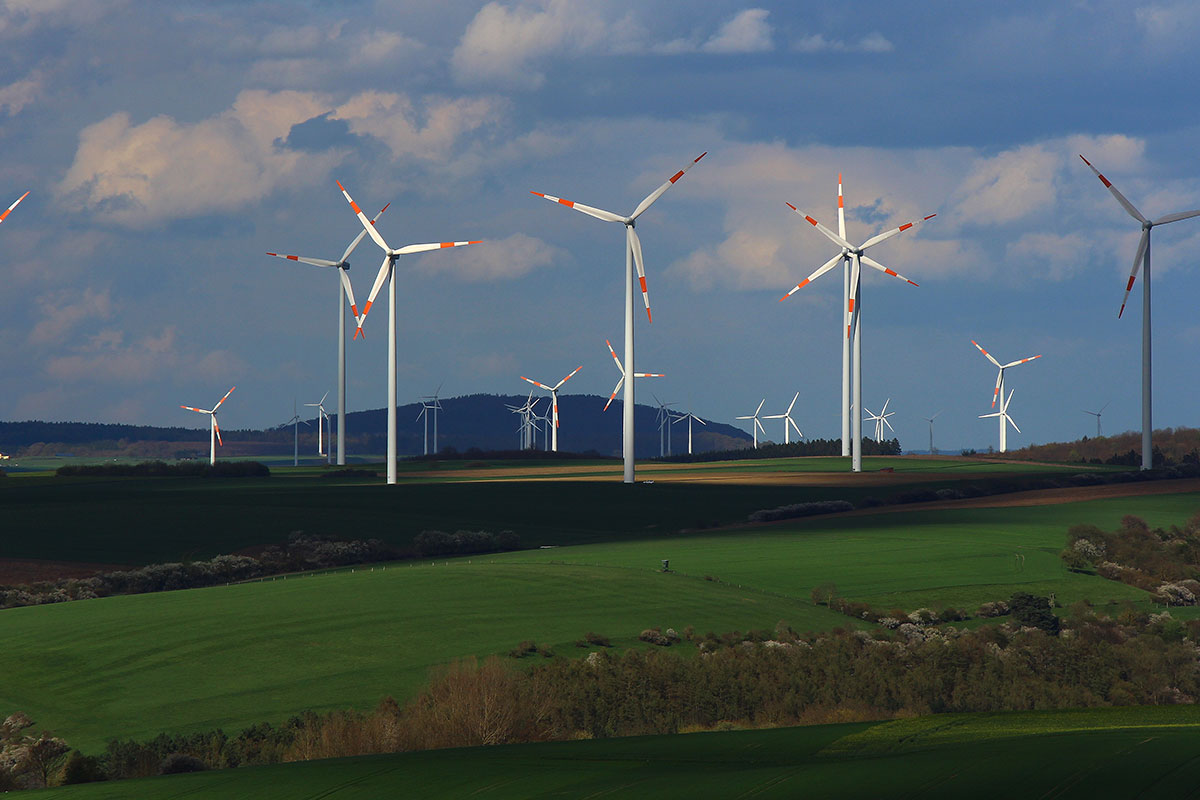
Energiekontor has commissioned the Elsdorf-Frankeshoven and Elsdorf-Tollhausen wind parks in Germany, completing two turnkey developments with seven Nordex N149 turbines and approximately 40MW of combined installed generating capacity.
The installations are located in the Rhein-Erft district of North Rhine-Westphalia and have entered operation according to the developer’s delivery programme. The town of Elsdorf has taken full ownership of the assets, having agreed to acquire both projects in August 2025, while Energiekontor will continue to provide technical and commercial management services.
Each turbine has a rotor diameter of 149 metres and a hub height of approximately 164 metres. The combined wind parks are expected to generate an average of around 90GWh annually from their first full operating year, based on Energiekontor’s production forecasts.
At their combined installed capacity of approximately 40MW, the turbines could theoretically produce substantially more electricity if they operated continuously at rated output. Actual wind farm production varies with wind speed, turbine availability, environmental operating restrictions and the electrical conditions affecting the generating assets.
The rotor diameter determines the swept area available to capture energy from moving air, while the hub height influences the wind conditions encountered by the machines. Neither dimension establishes a fixed electrical output, because the power available from the wind changes substantially as wind speed varies.
Individual turbines use aerodynamic rotor blades to transfer energy from the wind into mechanical rotation. That rotation drives the generating equipment, while power conversion and control systems allow the resulting electrical output to be delivered within the operating conditions required by the connected electricity network.
The seven machines form two separate generating installations. Their electricity collection systems, switching equipment and network connections must accommodate changes in output as wind conditions develop, while protection and control systems coordinate the turbines’ operation with the relevant grid requirements.
Energiekontor’s forecast of approximately 90GWh per year represents average expected production rather than a measured annual result. A meaningful comparison between the forecast and actual generation will require operating data covering seasonal changes in wind conditions and the availability of the completed equipment.
Using average German household electricity consumption, the developer estimates that the expected production would be equivalent to the annual electricity requirements of more than 27,000 homes. The company also estimates annual avoided carbon dioxide emissions of approximately 68,000 tonnes, depending on the generation displaced by the wind farms’ output.
Those equivalences do not indicate that the wind parks physically supply a dedicated group of households. Their generation enters the electricity network under the applicable connection and market arrangements, with the energy available to consumers determined by the wider operation of the power system.
Both projects received awards under Germany’s Renewable Energy Sources Act, or EEG, auction framework. The awards were secured before commissioning and form part of the commercial arrangements supporting electricity generation from the completed installations.
An EEG award is separate from the engineering approvals, construction work and grid connection required to bring a generating project into operation. The Elsdorf developments have now progressed through those stages to commissioning and transfer of the operational assets to their municipal owner.
The acquisition arrangement was established in August 2025, when Elsdorf agreed to purchase the turnkey wind parks from Energiekontor. The developer retained responsibility for delivering the projects, while the municipality secured a future ownership position in local renewable electricity generation.
With commissioning completed, the municipality has assumed ownership of the turbines. Elsdorf expects revenues associated with the electricity generated by the installations to contribute to its municipal finances, establishing a long-term commercial interest in the performance of the assets.
The ownership change does not mean Energiekontor is withdrawing from their operation. Under the arrangements confirmed at commissioning, the company will continue technical and commercial management, maintaining its involvement after the construction and handover phases have concluded.
Technical management of wind generating equipment typically involves performance monitoring, fault management, maintenance coordination and the inspection of mechanical and electrical components. At the plant level, these activities support equipment availability and the ability to operate within network and safety requirements.
Commercial management addresses the contractual and administrative arrangements associated with electricity production, although the companies have not disclosed the complete allocation of individual duties. The arrangement allows the municipality to retain ownership while relying on an established specialist operator for ongoing management.
At the end of June 2026, Energiekontor had 20 wind and solar projects with approximately 609MW of combined capacity under construction. The Elsdorf developments were included in that programme, with commissioning and handover expected during the second half of the year.
The completed wind parks therefore represent the conversion of previously contracted projects into operational generating assets. Energiekontor expects the commissioning milestone to make a positive contribution to its financial results for 2026, consistent with the delivery and handover arrangements established when the projects were sold.
Its wider business combines development and sale of renewable generating assets with continued ownership of selected projects. Technical and commercial management contracts also provide a continuing relationship with installations that have been transferred to external owners.
The Elsdorf wind parks now enter the operational phase under municipal ownership. Their first full year of service will establish measured generation and equipment availability against the developer’s forecast of approximately 90GWh, while Energiekontor continues to manage the turbines on behalf of the town.