IN Brief:
- BNZ has begun construction of two 27MW/108MWh battery systems alongside operational solar installations in Italy's Lazio region.
- Grupotec is delivering the Rinaldone project, while Elecnor is constructing the Camposcala installation.
- The four-hour systems are scheduled for commissioning before the end of 2026, adding controllable storage to existing photovoltaic assets.
BNZ has begun construction of two battery energy storage systems alongside its operational Rinaldone and Camposcala solar farms in Italy, introducing a combined 54MW of power capacity and 216MWh of energy storage at the sites in Lazio.
Each installation will provide 27MW of nominal power output and 108MWh of storage, equivalent to four hours of discharge at rated power. The projects are located in the province of Viterbo, where BNZ has established several photovoltaic generating assets, and are scheduled to enter operation before the end of 2026.
Construction responsibilities have been divided between two engineering contractors. Grupotec is undertaking the Rinaldone battery installation, while Elecnor is delivering the corresponding works at Camposcala. Both projects will add electrical storage infrastructure to existing generation facilities rather than establish separate, standalone battery sites.
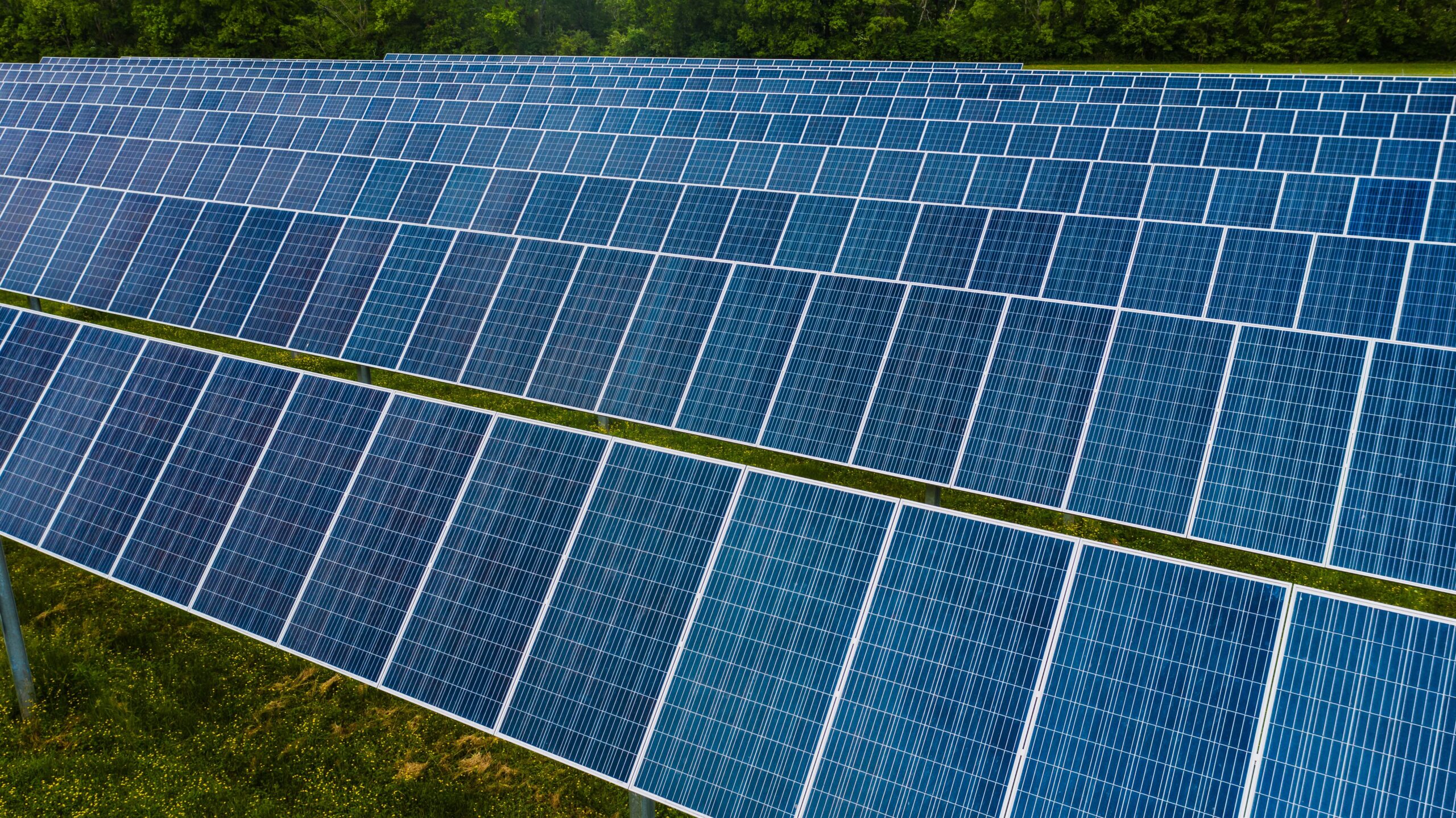
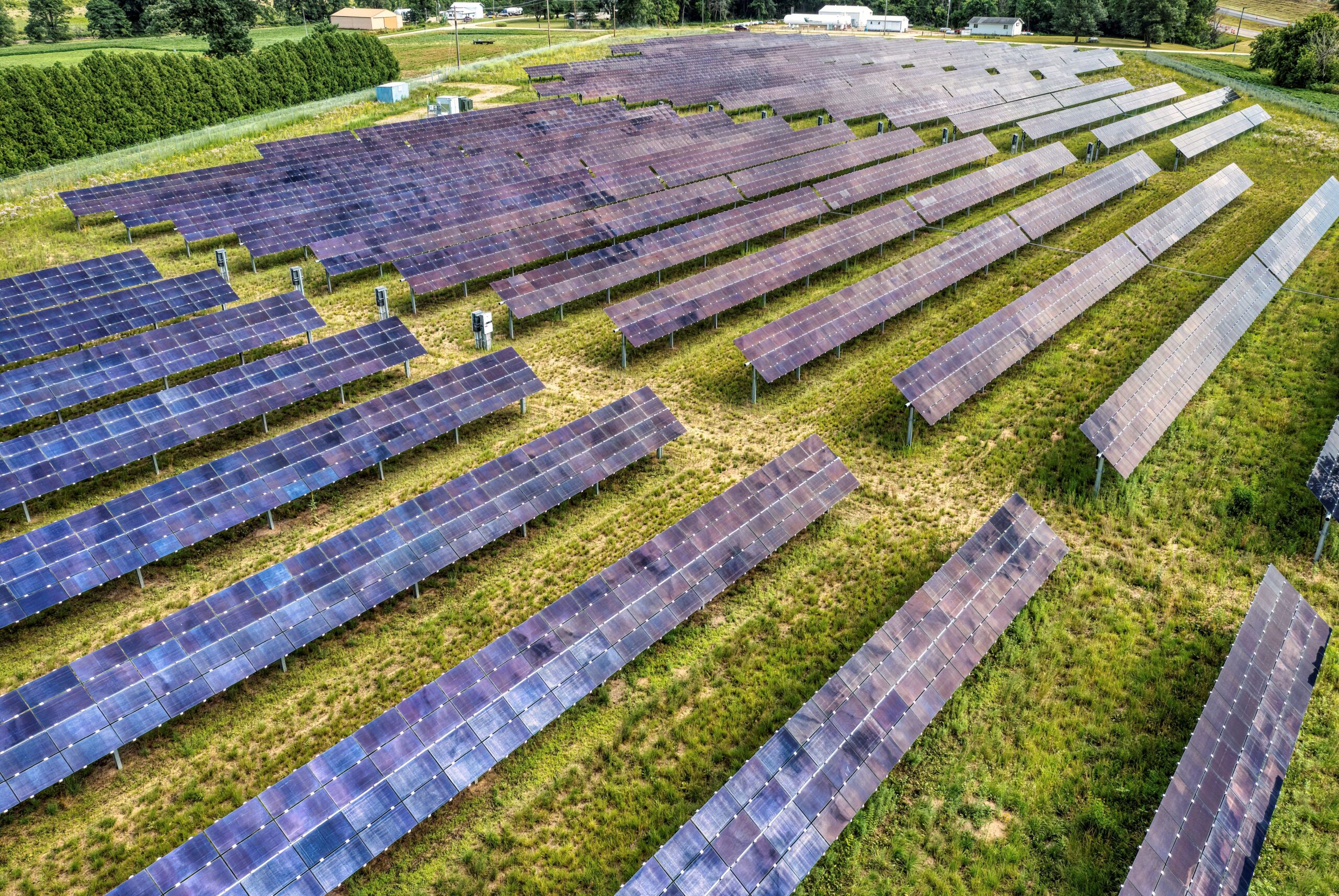
The two solar farms were among three Lazio installations inaugurated by BNZ in March 2025. Rinaldone has an installed photovoltaic capacity of approximately 45MWp, while BNZ has previously identified Camposcala as a 53MWp project. The company’s current project website lists a different capacity for Camposcala, so the photovoltaic figure remains subject to reconciliation.
Battery integration changes the options available for managing electricity generated at the sites. Without storage, photovoltaic output must be exported, consumed locally or curtailed as it is produced. A battery can absorb some of that electricity and retain it for release during a later period, provided its state of charge and electrical operating limits permit the required transfer.
The difference between the power and energy ratings determines how the new equipment can operate. Each 27MW system can discharge at its nominal maximum power for approximately four hours using its 108MWh of stored energy. Actual discharge duration will vary according to the selected output, available charge, conversion losses and the operational limits of the battery equipment.
Solar generation is strongly influenced by daylight and weather conditions, and electricity prices can fall when large amounts of photovoltaic output coincide with relatively low demand. Moving part of that production into later trading periods can provide greater flexibility in electricity sales, although the commercial result depends on market prices, cycling costs and the storage operator’s dispatch strategy.
Grid connection conditions will also influence the eventual operation of the hybrid installations. Where storage and photovoltaic generation share an export connection, simultaneous output must remain within the connection’s approved capacity. The plant control system therefore needs to coordinate battery discharge with solar generation rather than simply add the equipment’s rated outputs together.
The electrical interface requires equipment capable of converting direct-current battery output into alternating current suitable for the network. Power conversion systems, transformers, protection devices and metering must operate with the existing solar infrastructure while maintaining acceptable voltage, frequency and equipment loading conditions.
Charging introduces a corresponding electrical demand. Depending on the final system configuration, electricity may be supplied to the battery from the photovoltaic installation or another permitted source. BNZ has not disclosed the complete electrical connection arrangements or confirmed whether charging from the wider grid will be authorised at both sites.
Battery management systems will monitor operating conditions across the storage equipment, including temperature, cell voltage and state of charge. Plant-level controls must coordinate those limits with the requirements of the power conversion equipment and the operating instructions associated with the electricity connection.
Commissioning will establish that the new battery systems can charge, discharge and respond to operating commands while maintaining the required electrical protection and safety functions. The work also requires coordination with the existing photovoltaic installations, whose normal generation operations must be considered during testing and integration.
BNZ signed a strategic supply agreement with Sungrow in July 2026 for battery systems at the Rinaldone and Camposcala sites. The arrangement identified Sungrow as preferred supplier of equipment including battery containers, power conversion systems and medium-voltage infrastructure, alongside commissioning support, acceptance testing and an energy management system supplied by a third party.
The July agreement specified 240MWh of battery equipment, whereas the construction programme now identifies two installations totalling 216MWh. BNZ has not provided a public reconciliation of those figures. The current construction scope is therefore reported separately from the earlier procurement agreement, without assuming that the difference represents a change in installed capacity or contracted equipment.
The supply arrangement also includes long-term services covering preventive maintenance, remote monitoring, equipment warranties and performance arrangements. Such provisions become relevant once the batteries enter service, when the operator must manage equipment availability, degradation and the operating conditions associated with repeated charging and discharging.
BNZ estimates that each completed installation could avoid between 10,000 and 15,000 tonnes of carbon dioxide emissions annually. That figure is a developer projection, dependent on the operating profile of the batteries and the generation displaced by their output, rather than a measured emissions reduction associated with equipment already in operation.
The developer is pursuing a wider Italian storage programme covering approximately 350MW across eight projects. Its European renewable development portfolio exceeds 2.7GW, including a reported 850MW pipeline associated with battery storage. The Rinaldone and Camposcala installations represent a construction-stage component of those wider plans.
The projects’ relatively short construction timetable places emphasis on equipment delivery, installation, electrical integration and acceptance testing. Each site must satisfy its own commissioning requirements before commercial operation can commence, regardless of the similarities between the two battery designs.
Both installations are scheduled to enter service before the end of 2026. Their commissioning would give BNZ additional control over the timing of electricity exports from its existing Italian solar portfolio, with the practical benefits determined by the final connection arrangements and the batteries’ subsequent operating performance.