IN Brief:
- European corporate PPAs covered 5.9GW of renewable generating capacity in 2026 to date, down 9.7% against the equivalent 2025 period.
- Zero and negative wholesale electricity prices are creating additional commercial exposure under pay-as-produced agreements.
- RE-Source is seeking stronger electricity networks, storage deployment, demand flexibility and policy measures to support further contracting.
European businesses have contracted 5.9GW of renewable generating capacity through corporate power purchase agreements during 2026 to date, a decline of 9.7% compared with the corresponding period of 2025, according to new figures from RE-Source Platform.
The figures were presented during the organisation’s annual conference in Amsterdam on 4 November, as more frequent periods of zero and negative wholesale electricity prices place pressure on the commercial arrangements supporting renewable generation. RE-Source identifies electricity demand flexibility, storage and network investment among the measures needed to address the growing exposure of generators and corporate buyers.
Corporate power purchase agreements provide a means of contracting electricity or its associated financial value from renewable generating assets over an extended period. Developers can use these arrangements to establish predictable revenue streams, while electricity purchasers obtain a contractual relationship with identifiable renewable generation.
The reported 5.9GW concerns generating capacity covered by agreements, rather than electricity delivered during the year. A contracted megawatt of solar or wind capacity does not represent a fixed quantity of electricity produced each hour, because output depends on the available energy resource and the operating performance of the installation.
RE-Source identifies the exposure associated with pay-as-produced contracts as a particular concern. Under these agreements, the contracted electricity volume follows the actual generation profile of the asset, rather than a fixed delivery schedule established independently of weather conditions.
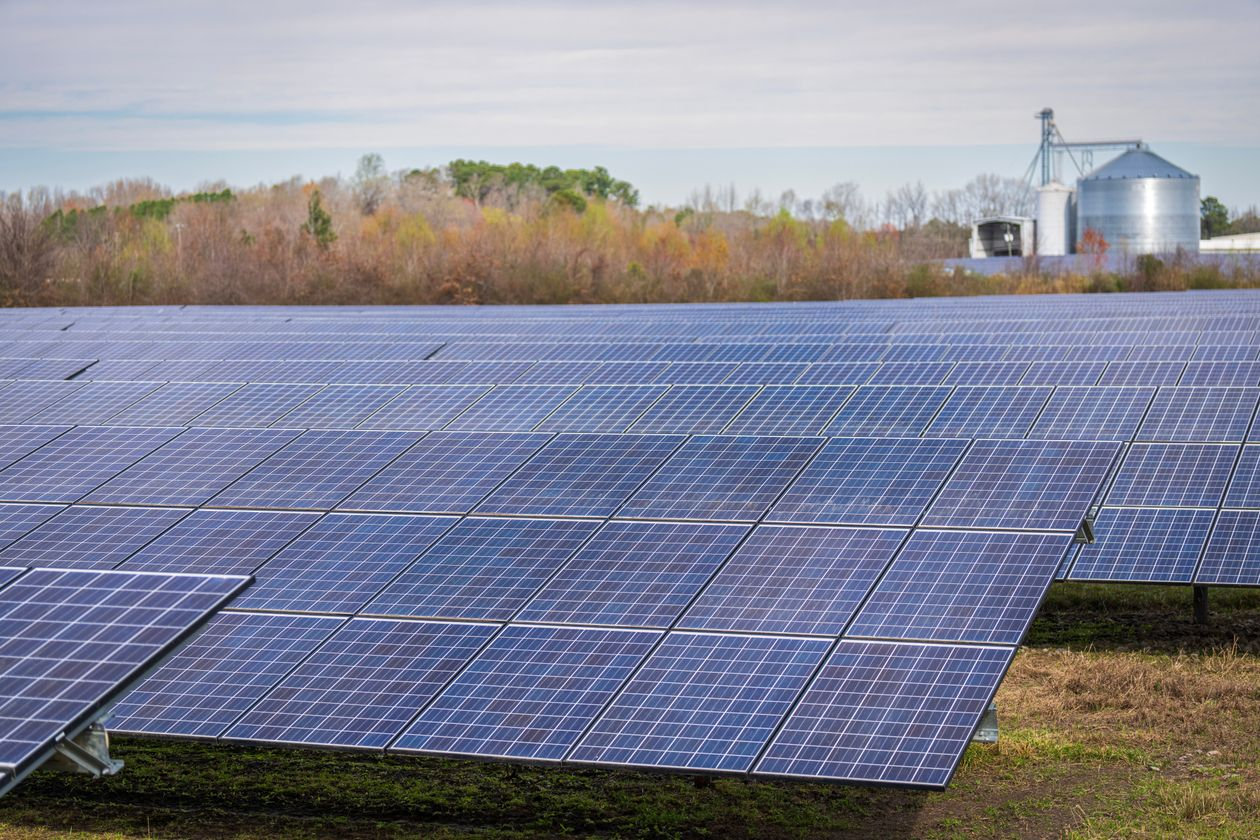
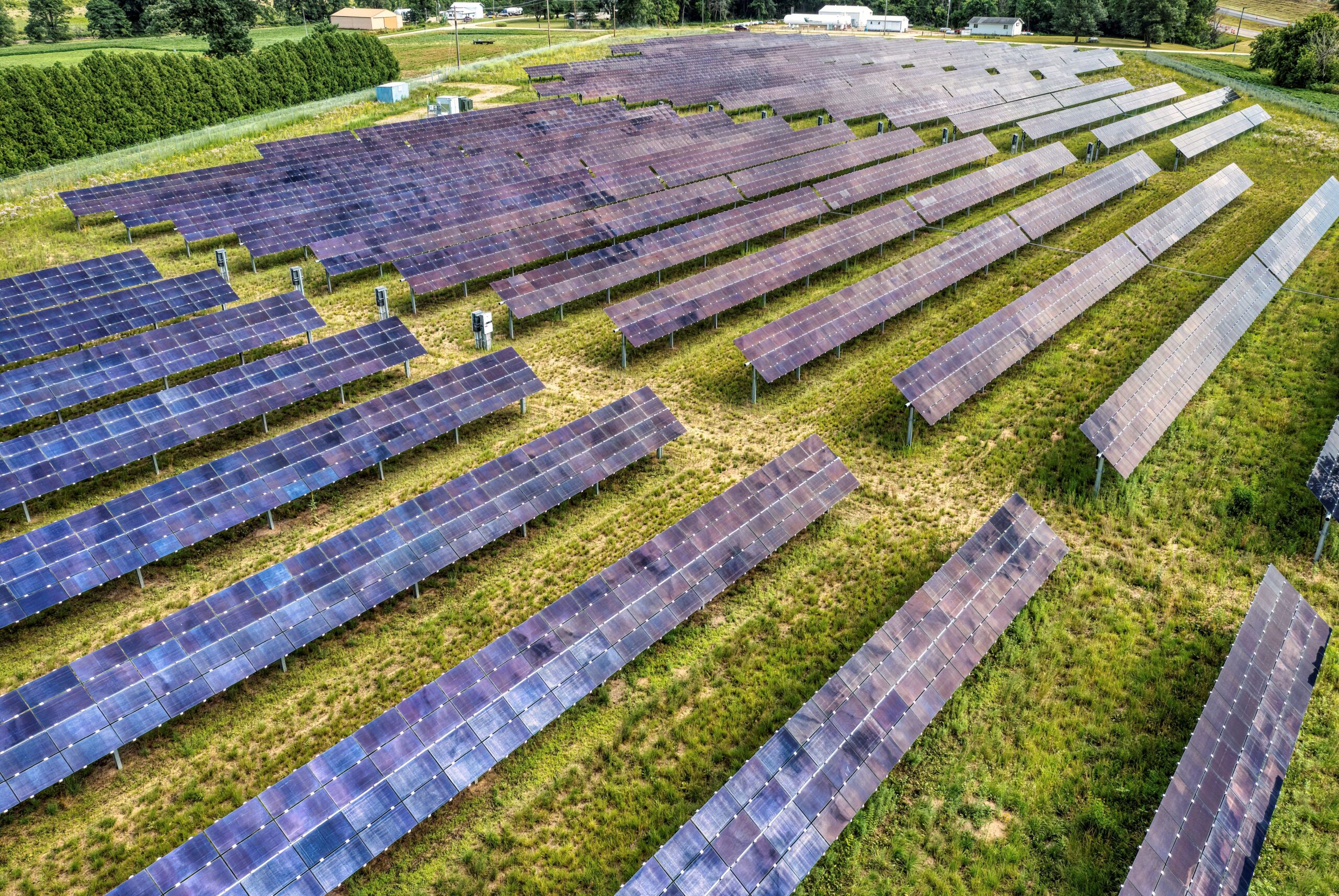
Solar installations produce most of their electricity during daylight hours, with output varying according to irradiation, temperature and equipment availability. Wind generation follows a different pattern, but can also become concentrated across multiple installations when similar weather conditions affect a large geographical area.
Where substantial renewable generation coincides with relatively weak electricity demand, the wholesale market price can decline sharply. The effect becomes more pronounced when transmission constraints prevent surplus electricity from reaching areas where additional demand could absorb it, or where consumers cannot readily adjust their consumption.
Wholesale prices may become negative during those periods. A generator can then face unfavourable market revenues at precisely the time when its equipment is producing substantial amounts of electricity. The financial consequences depend on the generating asset’s market exposure, contractual settlement arrangements and any ability to reduce or shift output.
Corporate purchasers face a different but related problem. An electricity consumer may contract renewable generation that is concentrated during periods when its own demand is comparatively low, while continuing to purchase electricity from the market when the contracted asset is producing little or no power.
The resulting mismatch can influence the economics of a long-term agreement. A contract with an attractive headline electricity price may allocate substantial additional risks to one or both parties if its delivery profile does not match the purchaser’s requirements or the market value of the generation.
Physical and virtual PPAs can distribute those risks differently. Physical agreements involve contractual arrangements for electricity supply, while virtual agreements generally use financial settlements linked to the market value of generation. In either case, the consequences depend on the actual contract provisions rather than the agreement’s duration alone.
RE-Source argues that these conditions can make long-term pay-as-produced arrangements less attractive, particularly to companies whose electricity consumption cannot be shifted easily. Continuous industrial processes and facilities with relatively stable electrical demand may have less scope to respond to hourly changes in renewable output than operations with flexible production schedules.
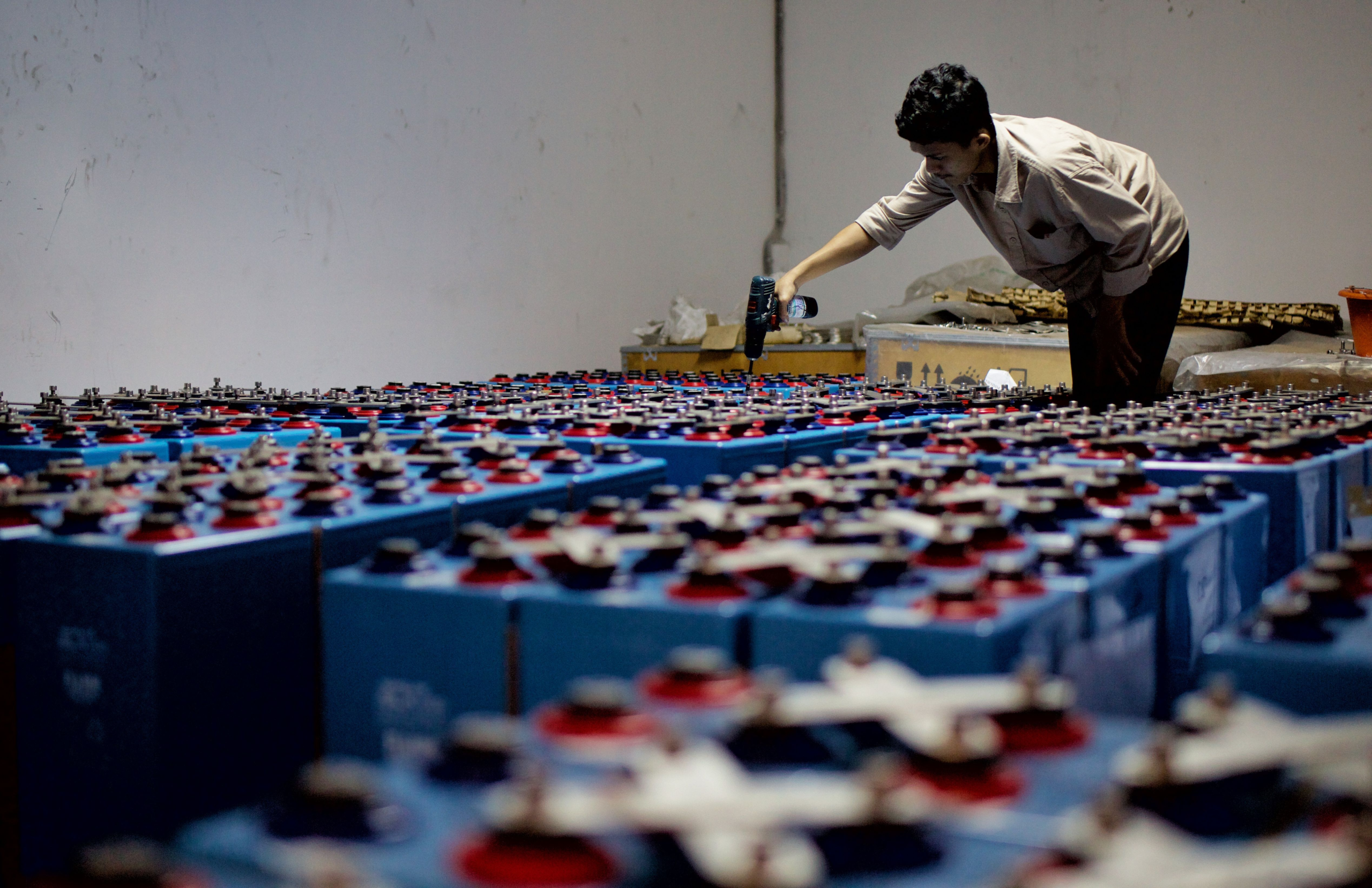
Battery storage can reduce some of the mismatch by absorbing electricity during periods of surplus generation and releasing it later. The available flexibility depends on the battery’s power rating, energy capacity, state of charge, efficiency and connection arrangements, rather than the presence of storage equipment alone.
A battery with a four-hour nominal discharge duration cannot indefinitely absorb surplus generation or supply electricity during an extended period of low renewable output. Once its usable capacity is exhausted, further charging or discharging must wait until operating conditions permit the next cycle.
Network reinforcement provides a different form of flexibility by increasing the capacity available to transfer electricity between generation and demand centres. Additional transmission capability can reduce some geographical constraints, although its effect depends on the topology of the network, the location of connected assets and the operating conditions prevailing across the wider system.
Demand response can address the imbalance from the consumption side. Equipment and processes capable of adjusting their operating times can increase electricity use when renewable production is abundant and reduce demand during more constrained periods, subject to their own operational and commercial limits.
RE-Source is seeking a combination of these measures rather than treating contractual reform as a substitute for physical electricity infrastructure. It identifies insufficient investment in networks and battery storage, alongside slow permitting, as continuing restrictions on wind and solar development.
The organisation expects European wind deployment to reach a record level during 2026, while solar installations are expected to remain close to their 2024 record. Continued generating capacity deployment alongside weaker corporate contracting indicates that the development of renewable assets and the market for corporate offtake agreements are not progressing at identical rates.
Renewable projects can obtain revenues through wholesale electricity markets, government support arrangements and other commercial contracts. Corporate PPAs represent one financing and procurement route within that wider market, so the 9.7% decline should not be interpreted as an equivalent fall in European renewable generating capacity.
European policy is also under consideration. The European Commission’s July 2026 Electrification Action Plan set an ambition to raise Europe’s electrification rate to 46% by 2040, while recognising barriers that can restrict corporate electricity procurement.
RE-Source wants renewable PPAs recognised more explicitly within European decarbonisation measures and has proposed support through the EU Emissions Trading System Investment Booster. It is also calling for clearer recognition of Guarantees of Origin within corporate carbon accounting.
Guarantees of Origin provide documentary evidence concerning the renewable origin of electricity associated with particular generation. Their use in reporting does not establish that the electricity consumed at an individual facility was physically generated at the same time or delivered directly from the contracted renewable asset.
The organisation’s recommendations have not been adopted as new European PPA legislation. Their eventual contribution will depend on subsequent policy decisions and on the extent to which electricity networks, generating assets, storage systems and demand flexibility can accommodate changing patterns of production and consumption.
With 5.9GW contracted during 2026 so far, the market enters the final two months of the year below its comparable 2025 level. Additional agreements will depend partly on the ability of developers and buyers to allocate generation profile and electricity price risks under commercially workable long-term arrangements.