IN Brief:
- Recurrent Energy has started commercial operation at the 20MWp Court Barton solar farm near Newton Abbot.
- National Grid Electricity Distribution completed the site's 33kV connection in December 2025 following 11 months of engineering work.
- The project is expected to avoid more than 6,200 tonnes of carbon dioxide emissions annually and achieve over 60% Biodiversity Net Gain.
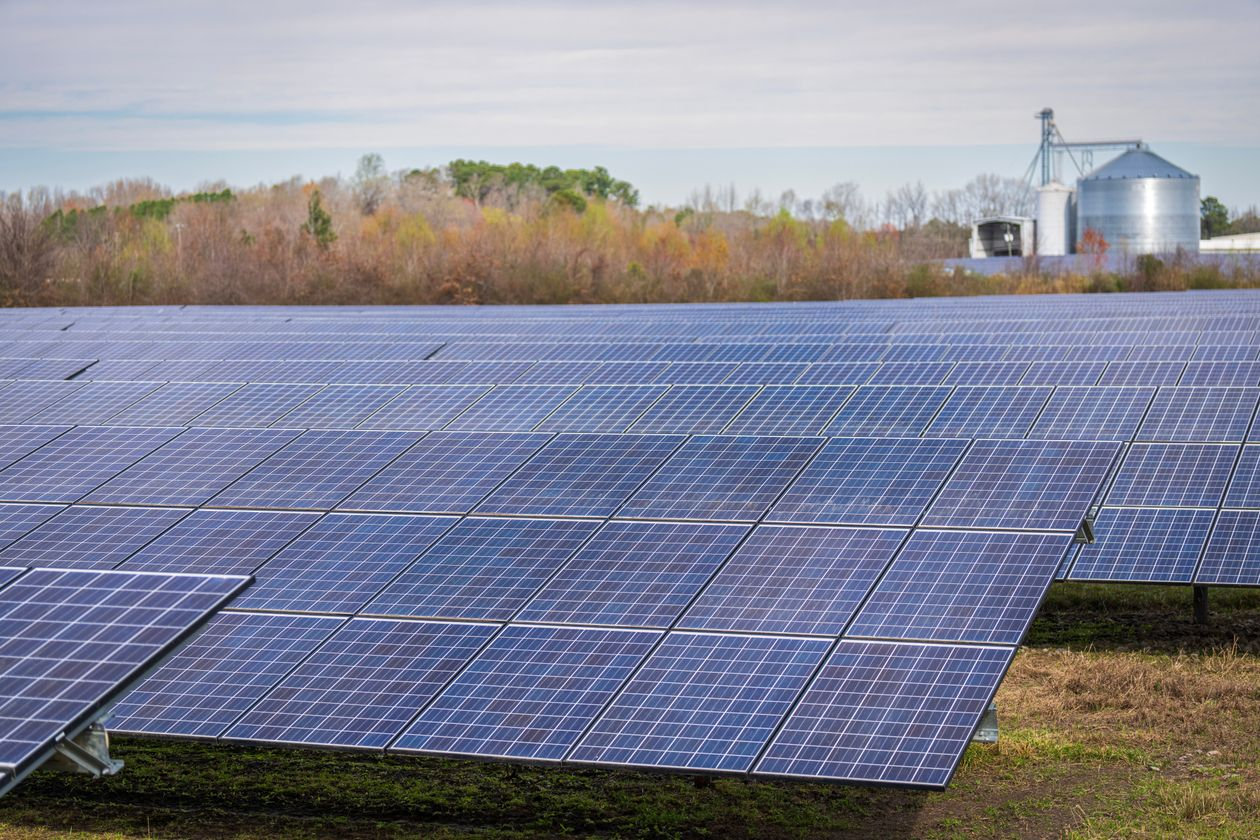
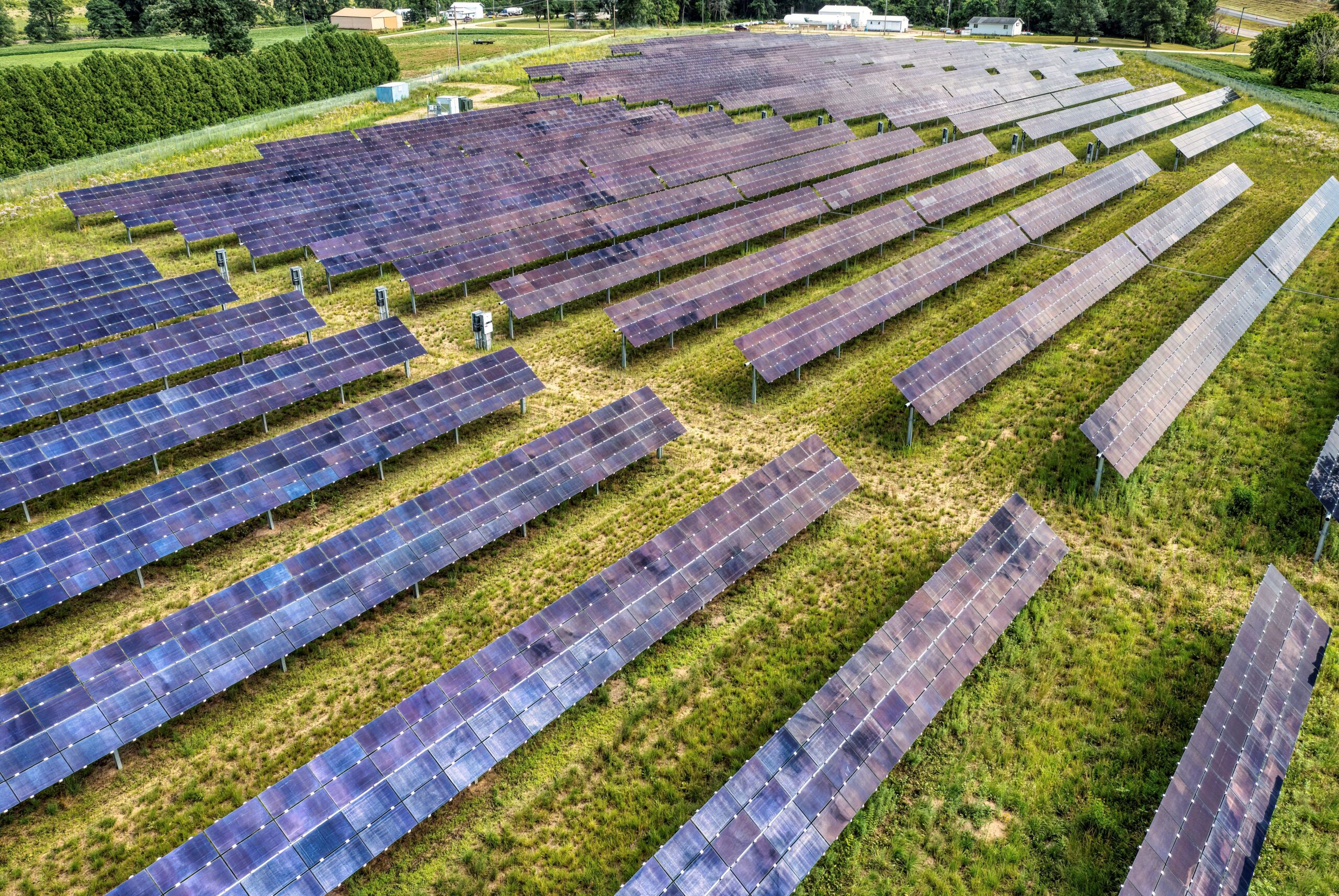
Recurrent Energy has brought its Court Barton solar farm in South Devon into commercial operation, completing a 20MWp photovoltaic development near Newton Abbot that was connected to the electricity distribution network in December 2025.
The installation is expected to generate enough electricity annually to match the consumption of approximately 8,500 homes, while avoiding more than 6,200 tonnes of carbon dioxide emissions each year. Those figures are developer estimates rather than measured annual results from the newly commissioned generating plant.
Commercial operation follows the completion of the project’s electrical connection and the subsequent work required to bring the photovoltaic installation into service. National Grid Electricity Distribution established the connection to its 33kV network in December 2025, creating the infrastructure needed to export power from the development.
That earlier connection milestone followed approximately 11 months of engineering work. The programme included construction of a new substation and installation of underground cables linking the distribution network to an on-site substation operated by Recurrent Energy.
The two stages are distinct. Completing the network connection establishes an electrical route for transferring power, but commercial operation also depends on the generating equipment being installed, tested and authorised to operate within the agreed technical conditions.
Court Barton uses photovoltaic modules to convert sunlight into direct-current electricity. The electrical output must pass through inverter equipment before it can be supplied to the alternating-current network, with transformers, protection systems and associated infrastructure establishing the necessary connection arrangements.
The site’s 20MWp rating describes the photovoltaic generating capacity under standard test conditions. It does not represent a guaranteed continuous output, nor does it establish the maximum alternating-current export capacity permitted under the connection agreement.
Actual power production varies according to sunlight, module temperature, weather conditions and equipment availability. The installation will generate predominantly during daylight hours, with seasonal variation affecting the quantity of electricity produced throughout the year.
The electrical infrastructure must accommodate those changes in generation while maintaining the operating conditions required by the distribution network. Inverter control systems regulate the electrical output, while protection equipment provides the means of responding to specified faults and abnormal operating conditions.
Voltage regulation is particularly relevant where a new generating installation connects to a distribution circuit that also supplies local consumers. The injection of electricity can alter voltage conditions and the direction of power flows, depending on local demand and the output of other generating equipment.
Network operators assess these conditions when determining whether an installation can connect and what reinforcement may be necessary. At Court Barton, the construction of new substation infrastructure and underground cables formed part of the engineering work required to establish its 33kV connection.
The network connection must also be coordinated with the plant’s own switching, protection and metering arrangements. These systems allow electricity production to be monitored and controlled while ensuring that the installation operates within its approved export and safety requirements.
Once commercial operation begins, the plant’s actual production becomes the basis for evaluating performance. Generation data can be compared with forecasts that take account of available solar irradiation, equipment characteristics, anticipated losses and periods when the generating installation is unavailable.
Recurrent Energy has not disclosed a full year of measured electricity production from Court Barton, which has only recently entered service. Its 8,500-home equivalence therefore remains an indication of expected annual generation rather than a verified historical output figure.
The electricity enters the distribution system rather than being delivered through dedicated connections to the households represented in that estimate. Its contribution to supply will vary throughout the day as photovoltaic output changes and the network accommodates generation from other assets.
Court Barton previously secured a Contract for Difference through the British government’s renewable electricity support arrangements. The agreement provides 15 years of revenue support, establishing a commercial framework for electricity generation from the completed installation.
Under the Contracts for Difference mechanism, eligible generators receive or make financial payments according to the difference between an agreed strike price and the applicable reference electricity price. The arrangement is separate from the physical operation of the generating equipment and does not establish a fixed hourly production requirement.
The project can therefore benefit from a long-term contractual structure while remaining exposed to the normal technical conditions affecting photovoltaic generation. Maintenance requirements, weather conditions, equipment performance and electricity network restrictions will continue to influence actual output.
Recurrent Energy is a subsidiary of Canadian Solar and develops, owns and operates renewable electricity infrastructure across international markets. Court Barton is part of its British project portfolio, which includes additional photovoltaic developments at different stages of development and delivery.
The completed installation also incorporates environmental measures intended to increase biodiversity at the site. Approximately 16 acres have been allocated specifically to improving habitat for skylarks, with the developer expecting the project to achieve more than 60% Biodiversity Net Gain.
Biodiversity Net Gain measures changes in habitat value against an established baseline using the applicable assessment methodology. The anticipated percentage represents a project-level environmental outcome, rather than a completed assessment demonstrating that every planned habitat improvement has already been achieved.
The land management programme will require coordination with the operating solar installation. Vegetation management, access for inspection and maintenance, and the protection of electrical equipment must be accommodated alongside the habitat improvements planned for the site.
Recurrent Energy also estimates that Court Barton will avoid more than 6,200 tonnes of carbon dioxide emissions annually. The figure is calculated against assumptions about the electricity generation displaced by the solar farm and should not be treated as a measurement of emissions already avoided during commercial operation.
The company’s environmental programme includes local community activities alongside habitat development. These arrangements are separate from the technical performance of the generating installation, although they form part of the long-term management responsibilities associated with the operational site.
The transition to commercial operation places greater emphasis on asset management, routine maintenance and monitoring. Photovoltaic modules, inverters, transformers and electrical protection equipment require periodic inspection and servicing to maintain availability and identify faults affecting electricity production.
Performance monitoring will also establish whether the installation meets its expected generation profile. Comparing actual production with weather conditions and equipment availability can help identify losses arising from inverter performance, electrical faults, module degradation or other operating factors.
The 33kV connection completed in December 2025 now provides the export route for the operating solar farm. With commercial generation established, Court Barton’s next significant performance measure will be its electricity production across a full operating year, allowing the developer’s generation forecasts to be assessed against measured output.