
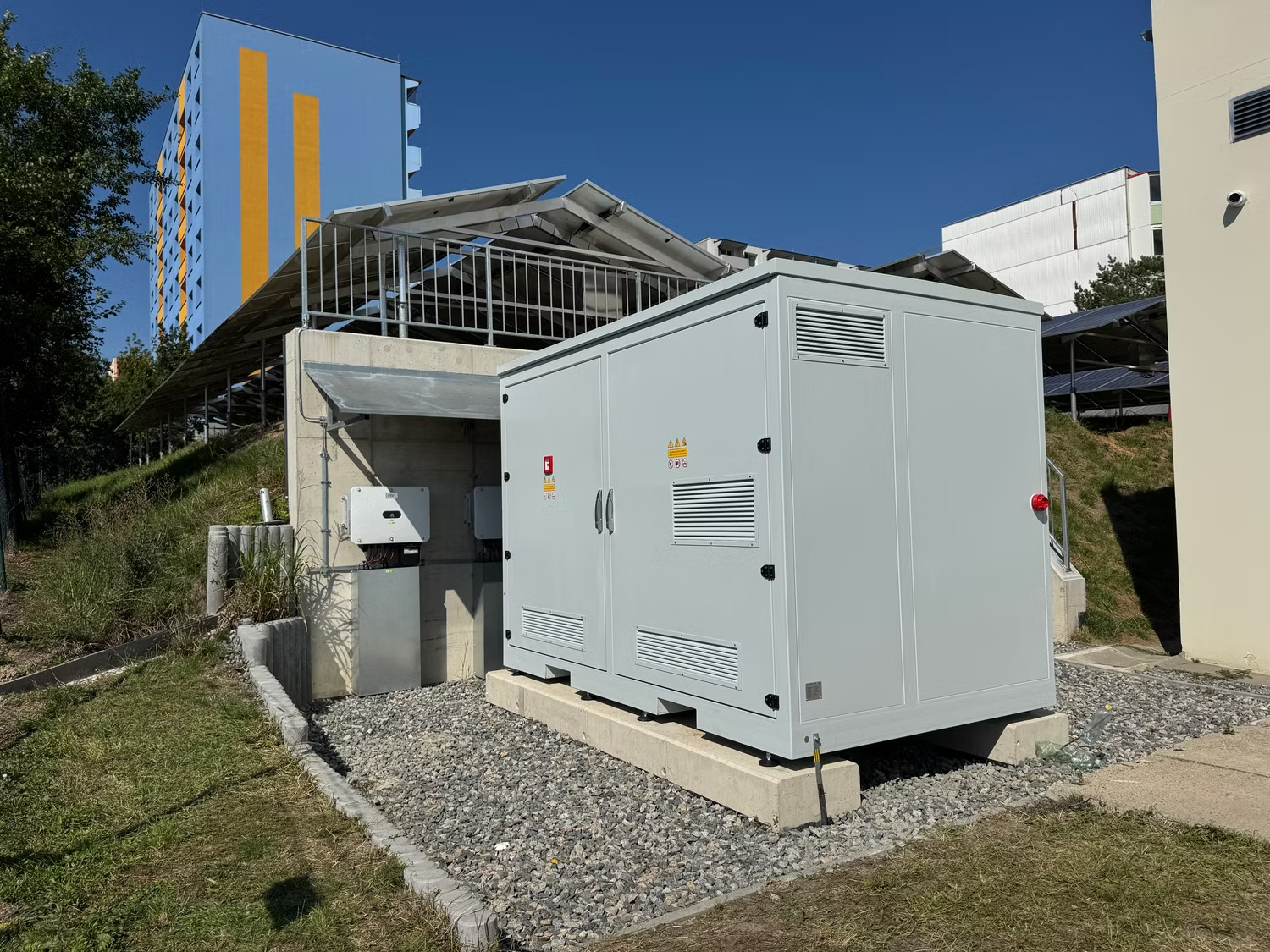
IN Brief:
- Metlen and Karatzis inaugurated their Larissa battery storage project on 14 October 2026.
- The standalone installation has 330 MW of rated power and 790 MWh of energy capacity.
- The investment vehicle is held 49% by Metlen and 51% by Karatzis Group.
METLENMetlen and Karatzis Group have inaugurated a standalone battery energy storage installation in Larissa, Thessaly, with 330 MW of rated power and 790 MWh of energy storage capacity. The ceremony took place on 14 October 2026 and was announced the following day. The project was developed through a joint investment vehicle in which Metlen holds 49% and Karatzis Group holds 51%.
The partners describe the installation as Greece’s largest standalone battery facility and one of the largest of its kind in Europe. That comparison is their stated assessment at the time of the announcement, rather than a separate independently verified ranking of every storage project in service across the region.
The two reported electrical ratings describe different characteristics. The 330 MW figure represents the installation’s nominal ability to supply or absorb power, whereas 790 MWh measures its stated energy storage capacity. Dividing the latter by the former gives a nominal full-power duration of approximately 2.39 hours, before allowance for usable capacity limits and conversion losses.
That calculation is a useful description of the power-to-energy relationship, not a claim that the facility will continuously export at 330 MW for that period under every operating condition. Battery controls, state of charge, battery temperature, equipment availability and the obligations associated with any contracted services all affect actual dispatch.
A standalone battery is not necessarily connected to one generating plant. Instead, it can operate as an independently managed asset that draws electricity from the connected network and returns it at different times. This gives the operator choices about charging and discharging that are governed by the grid connection, electricity market rules and the physical battery system.
As wind and photovoltaic generation increase, electrical production can vary substantially with weather and time of day. Storage can move a limited quantity of energy between periods, but it cannot create electricity. The amount eventually returned to the grid is lower than the amount required to charge it because energy is lost in power conversion and within the storage system.
Power conversion equipment is central to the facility’s operation. Battery cells store energy as direct current, while the electricity network normally operates using alternating current. Bidirectional inverters manage the conversion during both charging and discharging, and transformers provide the voltage interface required for the agreed network connection.
Switchgear and protection equipment must support safe isolation and the management of faults. The control system also needs to prevent operation outside battery voltage, current and temperature limits. These requirements apply regardless of whether the battery is being used to shift electricity between hours or provide a service to the power system.
Battery installations may be able to provide rapid changes in power, making them potentially useful for balancing the difference between generation and demand. Eligibility for particular services nevertheless depends on grid code requirements, market arrangements, testing and any contracts in place. The inauguration announcement does not establish that the Larissa facility has already delivered a quantified volume of each possible grid service.
Large storage facilities also require measures for equipment monitoring, thermal management and fire safety. Individual cell temperatures and electrical characteristics need to be managed within the manufacturer’s operating envelope, while system-level supervision provides information about the condition and availability of the installation.
The company announcement identifies support from European Union recovery financing. Financial backing and completion of the facility are separate matters from independently verified future trading results. No revenue outcome, battery cycle count or demonstrated annual contribution to system reliability has been published as part of the inauguration statement.
The project’s scale provides an indication of the infrastructure required to connect battery storage to the electricity system. High power capability requires substantial electrical conversion and connection equipment, while energy capacity determines how much stored electricity can be dispatched between recharging periods.
The ownership structure also matters to the description of the development. Metlen and Karatzis are partners through a jointly owned investment vehicle, rather than one company being identified in the announcement as the sole owner of the asset. Their respective interests should not be confused with the relative contributions of the storage system’s electrical equipment.
Inauguration indicates an important project milestone, but should not be used as proof of a particular operating history. The announcement confirms the ceremony and the facility ratings; it does not provide audited data on round-trip efficiency, annual throughput, discharge events or commercial availability since commissioning.
Future measurements of charge and discharge energy, equipment availability and the delivery of contracted services will provide a more meaningful assessment of operating performance. Those results will depend on dispatch decisions as well as battery characteristics, including how much reserve capacity the operator chooses to retain.
The Larissa project adds a substantial independent storage asset to the Greek electricity system. Its confirmed scale is 330 MW of power and 790 MWh of storage, while the benefits it ultimately delivers will be determined by the way it is connected, dispatched and maintained during routine operation.