IN Brief:
- Construction has started on the 200 MW/840 MWh Bertikow battery in Brandenburg.
- SMA is supplying 29 medium-voltage power stations, inverters and grid-forming plant controls.
- Commissioning is planned for 2027, and grid-forming capabilities remain future operating functions.
ENERTRAGand its project partners have formally launched construction of the Bertikow battery energy storage system in the Uckermark region of Brandenburg, Germany. The planned facility has a rated output of 200 MW and a storage capacity of 840 MWh, with commissioning expected in 2027.
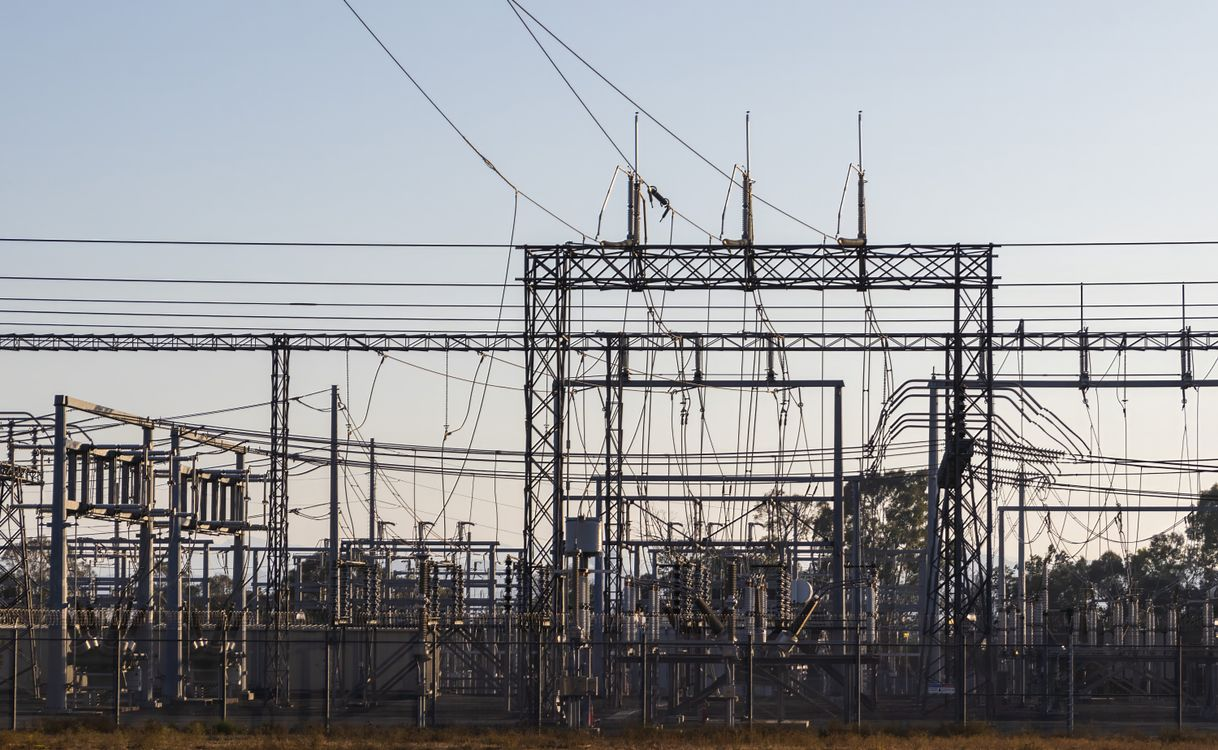
The ceremonial groundbreaking was reported by equipment supplier SMA Solar Technology on 14 October 2026. The project is being developed at the Bertikow grid connection point, close to the 380 kV transmission network. Its location provides access to an important electricity transmission node, although the exact final operating arrangements will be established through the project’s connection and commissioning programme.
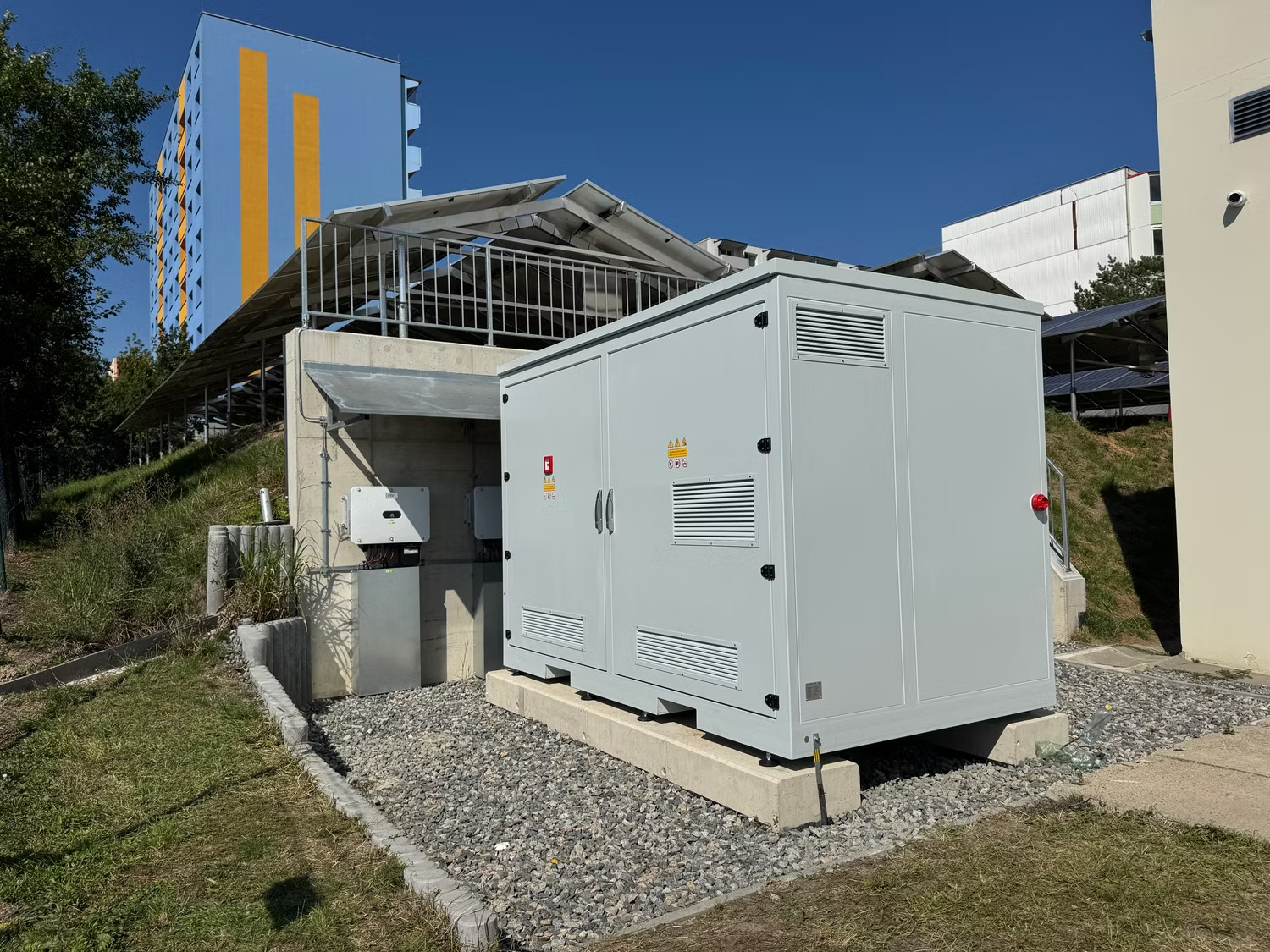
SMA is to supply 29 medium-voltage power stations, together with inverter equipment and plant-level grid-forming controls. This is a stated equipment scope for a facility under construction, not confirmation that all stations have been delivered, installed, energised or placed into service.
The two battery ratings describe different design characteristics. A nominal 200 MW power capability indicates the rate at which electricity can be charged or discharged, while 840 MWh represents the project’s planned energy capacity. Their ratio corresponds to a nominal 4.2-hour discharge duration at rated power, before losses and operational limitations are considered.
Storage durations calculated in this way should not be treated as a guarantee of energy delivery on every occasion. The available state of charge, usable capacity window and operating constraints will determine how much energy can be dispatched at a particular time. The facility will also need sufficient time and network capacity to recharge.
The medium-voltage power stations are important because batteries operate internally with direct current whereas electricity networks require alternating current at defined voltage and frequency. Inverters provide bidirectional power conversion, and transformers and associated electrical equipment bring the converted power to the appropriate collection voltage.
Multiple conversion stations allow the installation to distribute its electrical equipment across the site rather than rely on one monolithic inverter. Their operation must be coordinated so that the aggregate plant response remains within the limitations of the battery system, transformers and grid connection.
SMA states that its supply includes grid-forming plant controls. Grid-forming inverters are designed to establish and regulate an electrical voltage waveform, unlike equipment that relies entirely on tracking an already established grid voltage. These capabilities are increasingly relevant as power systems incorporate higher proportions of inverter-connected generation and storage.
Grid-forming equipment can potentially support aspects of voltage and frequency stability, but the precise services delivered depend on control settings, system studies, operating limits and the requirements of the transmission operator. The announcement does not demonstrate that Bertikow has already delivered inertia-like response, islanded operation or any quantified stability benefit.
The development is expected to absorb electricity during periods when the system has supply available and release it when required. The ability to shift energy in time can support the integration of variable renewable generation, although energy losses mean that the battery will return less electricity than it consumes when charging.
Operating decisions will also be shaped by market and network conditions. A battery may preserve energy for anticipated system requirements rather than dispatch it immediately, while maintaining a reserve for a service can reduce the amount available for unrestricted electricity trading.
The Bertikow connection point is significant because network infrastructure must be capable of accommodating substantial changes in power flow. During charging, the facility behaves as a large electrical load; during discharging, it supplies power back towards the network. The protection and metering arrangements must account for both directions.
Connection engineering must also consider faults, voltage behaviour and the response of the inverter system to disturbances. These requirements are particularly important where a large power-electronic installation is intended to provide grid-forming characteristics instead of operating solely as a conventional grid-following resource.
The construction phase will involve battery equipment, power conversion stations, civil works, cabling, protection systems and the interface with the network connection. Completion of the groundbreaking is an early milestone in that sequence and does not establish that the site is already electrically operational.
Commissioning will require verification of battery management, conversion equipment, electrical protection and the controls coordinating the whole plant. Any specialised grid-forming functions will also need to be configured and tested under the arrangements applying to the connected network.
The proposed 2027 commissioning date remains a target. Construction progress, equipment installation, electrical testing and connection approvals will determine when the storage plant can begin routine dispatch and any contracted grid services.
Bertikow therefore combines a substantial four-hour-class energy storage design with a planned grid-forming inverter architecture. For now the confirmed event is the launch of construction, while the electrical performance of the installed system will need to be established during commissioning and subsequent operation.