IN Brief:
- Habitat Energy has been appointed optimiser for S4 Energy’s 45 MW/90 MWh Barton battery.
- The two-hour installation is being developed near Preston with a 132 kV Electricity North West network connection.
- Energisation is planned for November 2026, after which the asset can progress towards operational market participation.
Habitat Energy has been appointed to provide trading and optimisation services for S4 Energy’s Barton battery energy storage project near Preston, Lancashire, as the facility approaches planned energisation in November 2026.
The installation has a rated power of 45 MW and an energy storage capacity of 90 MWh. Those figures describe different technical characteristics: power is the rate at which energy can be transferred, while megawatt-hours describe the quantity of energy stored or delivered over time.
Together, the nameplate ratings correspond to a nominal two-hour discharge duration at 45 MW. That is a calculation from the stated ratings, not proof of achieved output, usable capacity under all conditions or an operating performance result.
The Barton project is being developed by S4 Energy, a subsidiary of Castleton Commodities International, and is intended to connect to Electricity North West’s 132 kV network. The project remains under construction, and its November energisation date is a stated target rather than a completed milestone.
Habitat Energy’s appointment concerns decisions about trading and optimisation once the battery is operational. It does not establish that the company owns the site, supplied the equipment or has already demonstrated returns from the new installation.
Battery optimisation requires coordinated decisions about charging, discharging and potentially providing services to the electricity system. Those decisions depend on prevailing market prices, contracted obligations, forecasts, the battery’s available state of charge and the technical limits of the plant.
Unlike a generating plant supplied continuously by fuel, a battery has a finite energy inventory. Discharging reduces the amount of energy available for subsequent instructions. An optimiser must therefore consider how the value of immediate dispatch compares with the value of retaining capacity for later demand or market conditions.
Charging also changes the asset’s available capacity and incurs electricity costs. Depending on its contracts and market access, a battery may seek to charge during lower-priced periods and discharge when prices or the value of system services are higher.
Such operations involve energy losses, so charging one megawatt-hour does not result in one megawatt-hour of electricity being returned to the network. Round-trip performance depends on the equipment, operating point, temperature and auxiliary requirements.
The nominal two-hour rating is not an instruction to cycle the battery fully every day. The actual dispatch profile will depend on market opportunities, degradation management, available energy, maintenance and constraints imposed by network or operating conditions.
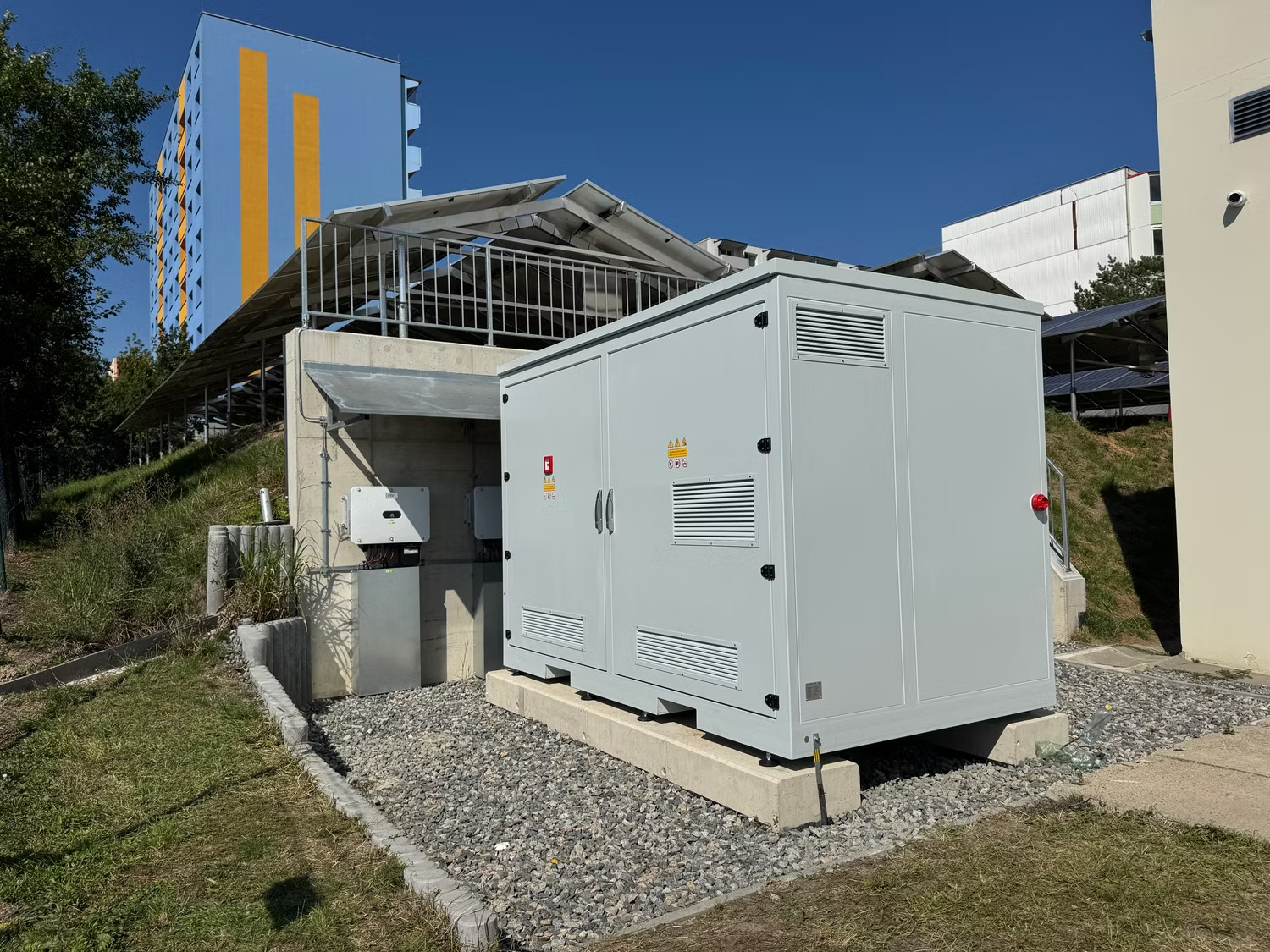
Power conversion equipment provides the interface between the battery’s direct-current electrical system and the alternating-current network. Bidirectional inverters control the transfer of electricity during both charge and discharge, while transformers, switchgear and protection systems support connection at the agreed voltage.
Connection to a 132 kV distribution network requires suitable protection and control arrangements. These systems must manage electrical faults, switching and the limits of the network connection, including conditions that can affect when the battery may import or export power.
The operator also needs reliable telemetry and control systems so dispatch instructions can be implemented within permitted equipment settings. A commercial instruction cannot override a protective limit or compensate for unavailable equipment.
S4 Energy identifies Trina as the battery equipment manufacturer for Barton. The physical installation also requires associated cabling, conversion equipment, safety systems and other balance-of-plant infrastructure. The appointment announcement does not provide a verified record of the final equipment’s performance after commissioning.
Battery storage can participate in several electricity market arrangements, but eligibility is not automatic. Different services may require technical prequalification, specific operating capabilities and contractual commitments. The announcement does not establish that Barton has qualified for every market or ancillary service.
The economics of storage optimisation depend on competition, price variation, available flexibility services and the cost of operating the asset. Revenue and asset degradation must be considered together; repeated cycling can create opportunities to earn income but also contributes to the battery’s lifetime operating profile.
S4 Energy has published estimates of possible emissions reductions and household equivalence for the development. Such claims are forecasts rather than measured Barton results and cannot establish the carbon impact of every future charging and discharging period.
The environmental effect of a battery depends on the electricity mix during charging and the generation displaced when the stored electricity is delivered. Its precise contribution cannot be deduced from the 90 MWh energy capacity alone.
Planned energisation in November will be an important technical milestone, but subsequent testing and operating arrangements are needed before the optimiser can establish the asset’s real market performance. The confirmed development at this stage is the service appointment for a battery still approaching operation.