IN Brief:
- Wärtsilä will deliver a 35 MW/70 MWh battery for WEB Aruba through an engineering, procurement and construction contract.
- Its energy management system will coordinate the battery with existing engines, wind and solar generation using forecasting and secondary and tertiary controls.
- The order was booked in the third quarter of 2026, with final handover planned for the second quarter of 2028.
Wärtsilä has signed an agreement with Water- en Energiebedrijf Aruba (WEB Aruba) to deliver a 35 MW/70 MWh battery energy storage installation and introduce an energy management system across the Caribbean island’s existing power generation assets. The contract includes engineering, procurement and construction of the battery, together with software and maintenance services designed to coordinate storage, conventional generation and renewable electricity.
The order was recorded in Wärtsilä’s third-quarter 2026 order intake and publicly announced on 13 October. Final handover is expected in the second quarter of 2028. These dates distinguish the commercial commitment from a completed installation: the new battery is not yet operational, and neither company has disclosed its contract value or a detailed construction timetable.
The battery will have a nominal two-hour discharge duration, based on the relationship between its 35 MW power rating and 70 MWh energy capacity. The power figure describes the maximum stated rate at which electricity can be exchanged; the energy figure describes storage capacity. Actual delivery over a discharge cycle will be constrained by usable state of charge, conversion losses and the operating conditions established for the finished system.
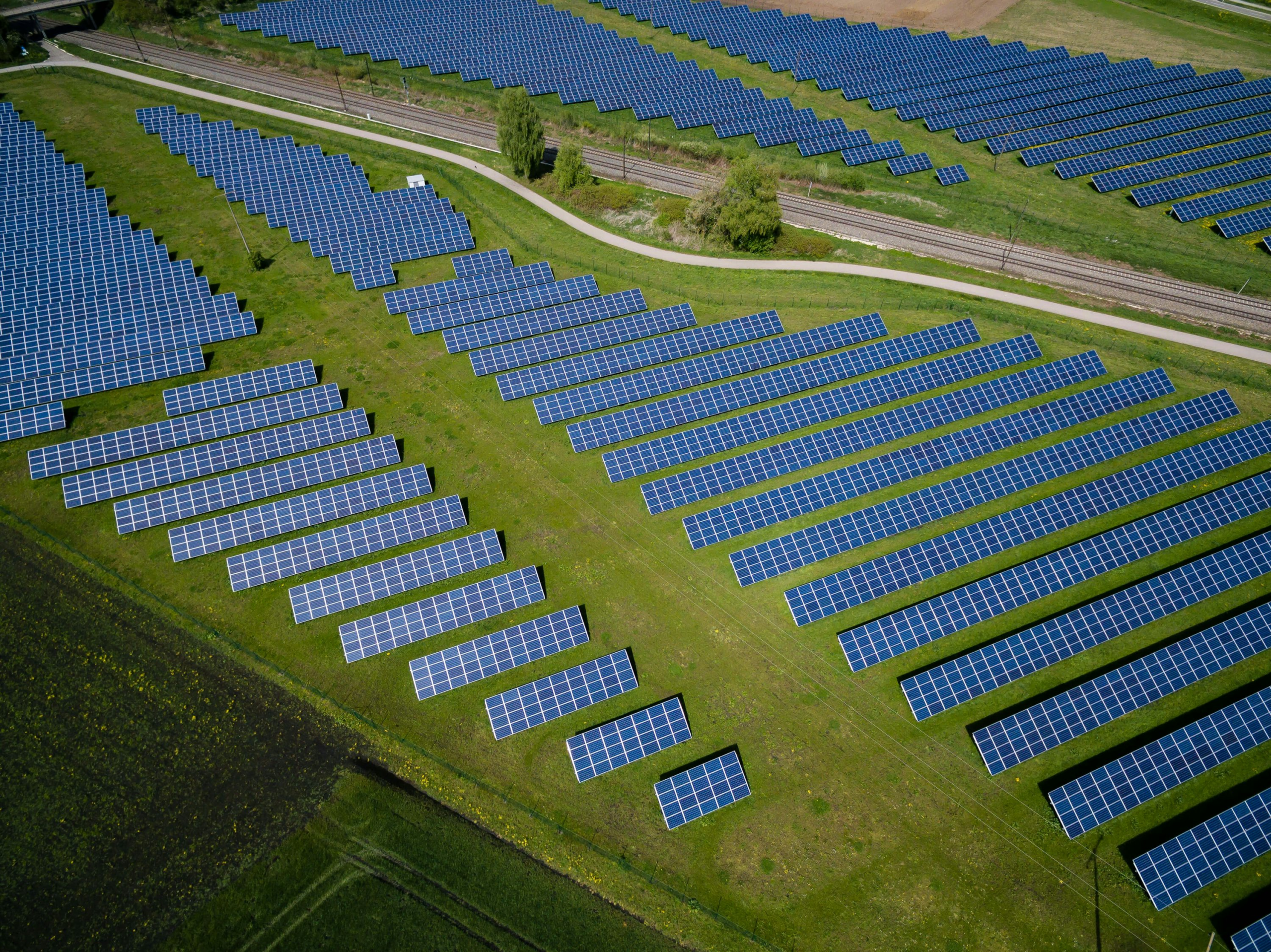
WEB Aruba already generates electricity using engine-based power plants alongside wind and solar installations. Those resources behave differently: engines can adjust fuelled generation within their operating limits, while photovoltaic and wind output depend on changing weather conditions. A battery adds a controllable electrical resource, although it must first obtain energy through charging and cannot sustain its maximum discharge indefinitely.
Wärtsilä has previously supplied equipment for five WEB Aruba power plant projects representing 230 MW of installed generation capacity. The latest 35 MW battery should not be described as another 35 MW of continuous engine generation, or added to that figure as if all the capacity could operate for the same duration. Its contribution will depend on the dispatch required and the energy remaining in storage.
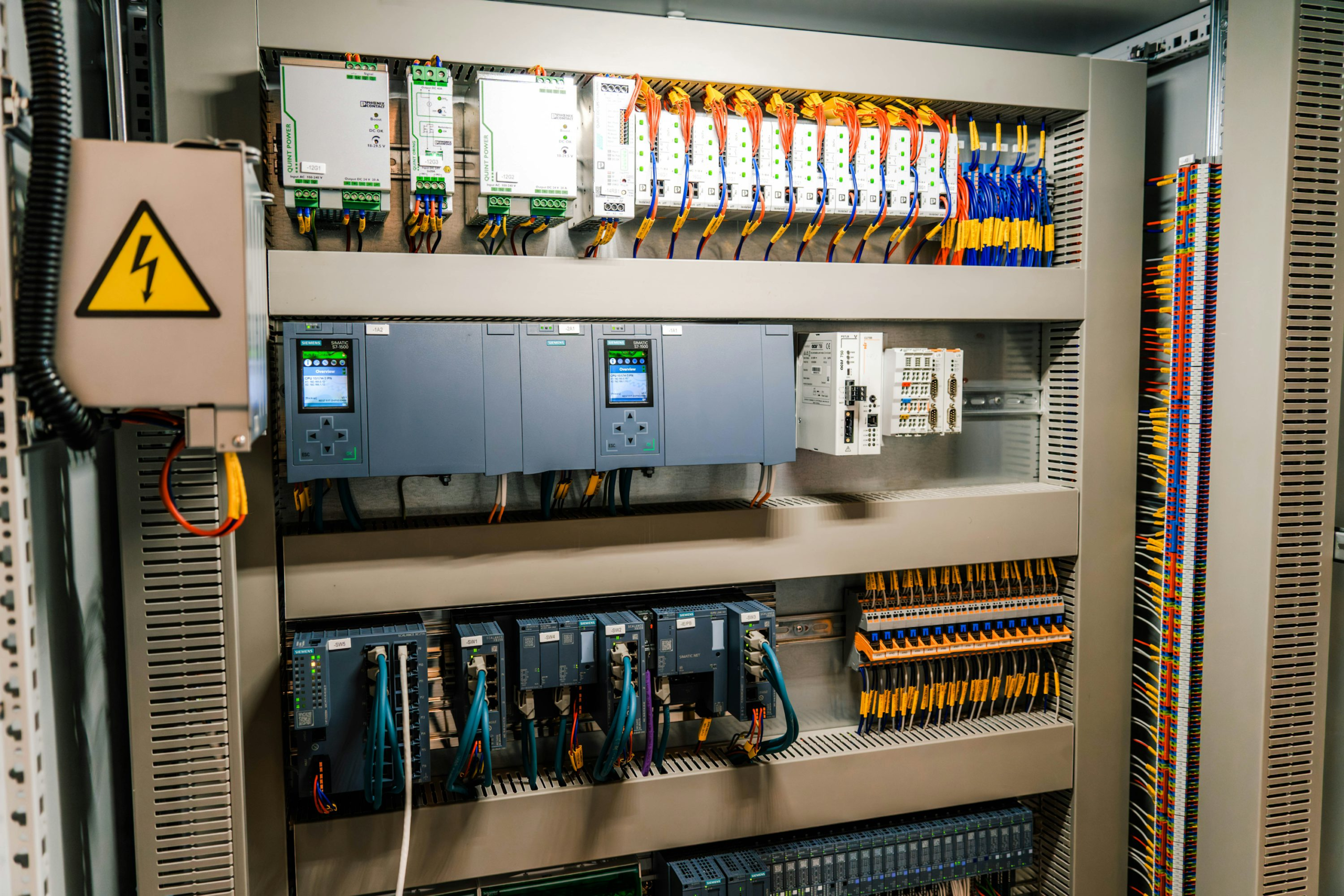
At equipment level, the batteries store energy in direct-current form and need bidirectional power conversion systems to exchange electricity with the alternating-current network. Transformers, switching equipment, protection relays, metering and communications must be designed around the site’s connection requirements. Wärtsilä has not specified the battery manufacturer or chemistry, the connection voltage or the exact power conversion arrangement for this project.
The management system forms the other substantive element of the agreement. It will incorporate forecasting and secondary and tertiary control capabilities, allowing operating instructions for the battery to be coordinated with existing generating assets. Load forecasts and anticipated renewable output can inform decisions on which units should operate, when energy should be stored and how much reserve should remain available.
Secondary control generally corrects system deviations after initial responses to a disturbance, while tertiary control adjusts the broader dispatch of available resources over a longer period. Their precise implementation depends on the island utility’s operating architecture and the characteristics of its generating equipment. The companies have not released control response times, detailed functional specifications or the operational hierarchy that will apply after integration.
Battery state of charge creates an additional constraint on dispatch. A unit that has discharged heavily may need time and available electricity to recharge before responding to another extended request. Retaining enough energy for an anticipated disturbance may also limit opportunities to use the battery for routine energy shifting. The control system must accommodate these choices alongside equipment protection limits and generating availability.
Renewable generation can introduce rapid changes in electrical output when weather conditions vary. Coordinating a battery with engine generation may reduce the need for some short-term changes in engine output, but the effect depends on operating schedules, plant minimum loads and actual system conditions. Wärtsilä has not published a verified reduction in fuel consumption, emissions or electricity costs for the Aruba installation.
Operational performance will also depend on accurate measurement. Battery management equipment provides information on temperatures, voltage, available energy and component condition, while power plant controls track engine operation and electrical output. The management platform must interpret those inputs consistently before issuing instructions. Communications faults, sensor problems or equipment restrictions still require defined operational responses rather than reliance on software optimisation alone.
The agreement includes an energy management system delivered under an As-a-Service model. Wärtsilä says this permits updates to configurations and models and access to technical support after the initial deployment. The services arrangement also covers storage maintenance, although its term and financial provisions have not been disclosed. Updates will need to remain compatible with the operating and safety requirements of the connected plant.
WEB Aruba’s stated objectives include greater renewable electricity utilisation, improved reliability and lower generation costs. Those are intended results of the investment rather than measured achievements. Demonstrating them will require the equipment to be commissioned and its performance assessed against actual demand, weather, plant availability and the utility’s operating arrangements.
Engineering and installation of the battery will precede testing of the combined electrical and control systems. Final acceptance must establish that dispatch instructions, protection functions and grid interactions work together within their prescribed limits. Wärtsilä’s current programme retains the second quarter of 2028 for handover, when the battery and generation management arrangement are expected to enter the utility’s regular operations.