IN Brief:
- Ignitis Group has asked Lithuania's energy and finance ministries to consider revising the 700MW Curonian Nord development timetable.
- Long-term electricity offtake uncertainty, offshore turbine supply constraints and financing conditions are among the factors affecting the project.
- Preparations towards a construction permit in 2027 continue, while a decision on future implementation is expected before the end of 2026.
Ignitis Group has asked the Lithuanian government to consider postponing implementation of the 700MW Curonian Nord offshore wind project, proposing a revised development timetable that would preserve the option to proceed when financing, market and technological conditions improve.
The company and its renewable energy subsidiary have submitted alternative development scenarios to Lithuania’s Ministries of Energy and Finance. Their preferred approach is to adjust the implementation schedule rather than abandon the project or discard the preparatory work already completed.
The proposals follow recommendations from Lithuania’s National Audit Office, which examined the development of the country’s first commercial offshore wind farm. A decision on the most appropriate implementation scenario is expected before the end of 2026.
Ignitis Renewables is continuing the preparatory activities and investment required to seek a construction permit in 2027. This work is proceeding alongside discussions about the wider project timetable, and the submission to government does not establish that an amended schedule has already been approved.
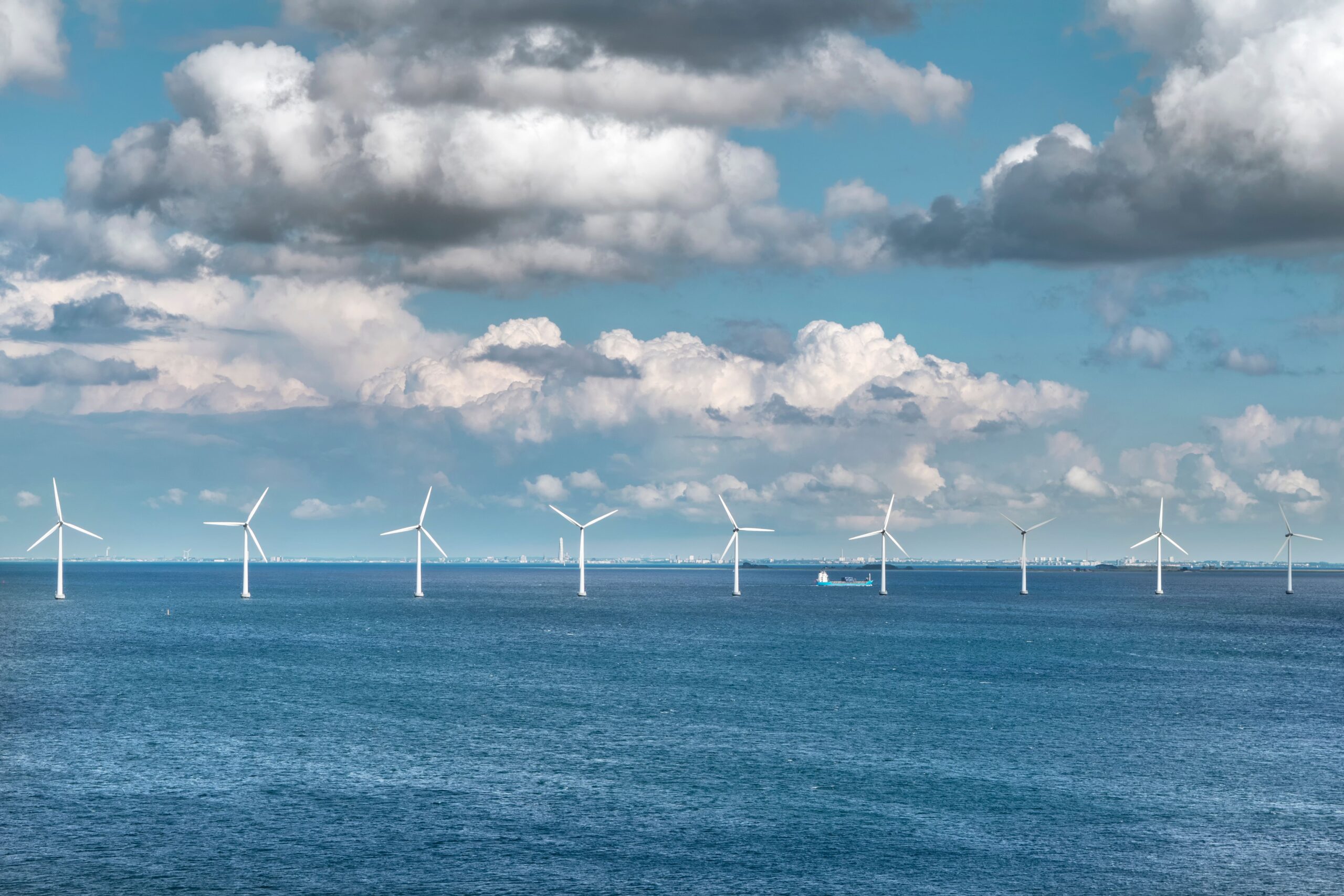
Curonian Nord is planned for an area of approximately 120 square kilometres in the Baltic Sea, at least 37 kilometres from Lithuania’s coastline. The proposed wind farm would have an installed capacity of 700MW, with up to 55 turbines.
The project received a positive environmental impact assessment decision in June 2026. That approval provides an environmental basis for further development, subject to the requirements and mitigation measures established through the assessment.
It does not represent final construction authorisation or a commitment to begin installation. Further permitting, technical design and investment decisions remain necessary before offshore construction can proceed.
Ignitis has identified commercial and financing conditions as important factors behind its proposed timetable adjustment. The development of large electrolysis projects across Europe has been slower than previously anticipated, reducing opportunities to secure long-term electricity purchase agreements.
Hydrogen production through electrolysis can create substantial electricity demand when operated at industrial scale. Developers of renewable generation projects may seek long-term supply agreements with such consumers to establish predictable revenues before committing to construction.
Delays to prospective electricity consumers affect the timing and availability of those contracts. A wind farm may remain technically feasible while its developer faces uncertainty over the revenues needed to support project financing.
Ignitis had already warned in its 2024 annual reporting, published in February 2025, that delays to electrolysis investments could complicate the financing of Curonian Nord. The company also identified uncertainty involving offshore turbine equipment and other supply chain conditions.
The latest proposal develops those previously disclosed concerns into a formal request for government consideration. It should therefore be understood as a new decision-making step rather than the first indication that the project’s planned commercial operation could change.
Offshore wind development involves several interdependent programmes, including seabed investigation, turbine and foundation design, export cable routing, grid connection engineering and environmental compliance.
These activities must progress far enough to support permitting and investment decisions before the principal construction contracts can be executed. Delays in one part of the programme may affect the availability or sequencing of equipment, vessels and installation work elsewhere.
Turbine supply presents particular challenges because offshore machines require large components and specialist manufacturing capacity. Foundation design and installation requirements depend on turbine selection, site conditions and the construction methods adopted.
Electrical infrastructure introduces further dependencies. Turbines must be connected through an offshore collection network, while export cables and associated equipment transfer electricity towards the onshore transmission system.
The network connection must accommodate the intended generating capacity and operate within the applicable technical requirements. The timing of onshore infrastructure development can therefore affect when an offshore wind farm is able to deliver electricity commercially.
Ignitis has asked the government to consider faster procedures for onshore infrastructure and rules for design and work organisation that reflect the particular requirements of offshore development.
The company also wants development and permitting obligations aligned more closely with realistic project timelines, including the relationship between financial commitments and the actual commencement of construction.
Such changes could affect when developers are required to incur particular costs. However, the proposals do not establish that the government has agreed to amend financial obligations or that any existing regulatory requirement has been suspended.
The project’s earlier environmental assessment involved examination of potential effects on marine ecosystems, biodiversity, fisheries, the landscape and other environmental and social interests.
The positive decision includes mitigation conditions intended to address identified impacts during construction and operation. Those obligations remain relevant to any future implementation timetable, although changes to project design may require further regulatory consideration.
An independent assessment commissioned by Ignitis and undertaken by Wood Mackenzie previously examined the project’s development expenditure, management and delivery risks.
The assessment considered the development work undertaken through May 2025 reasonable when compared with selected European offshore wind projects. It also identified market conditions, financing availability and electricity offtake as more substantial threats to the timetable than the immediate technical programme.
That historical assessment does not establish that construction remains financially viable under current conditions. It provides context for why Ignitis is seeking to preserve completed development work while reconsidering when to make further substantial commitments.
The proposed 700MW capacity would represent a significant addition to Lithuania’s renewable electricity generation if the project is eventually built. Ignitis has previously estimated that the wind farm could generate around 3TWh annually, although actual output would depend on the final configuration, wind conditions and operating availability.
Those figures describe the proposed installation, not electricity currently being supplied to the network. No revised commercial operation date has been established through the October proposals.
Government authorities must now consider the alternatives submitted by Ignitis, including the implications for public financial priorities and the continued development of offshore generation.
The immediate milestones remain the expected decision on future implementation by the end of 2026 and preparatory work towards a construction permit in 2027. Whether those activities lead to construction under a revised timetable will depend on the decisions taken by the Lithuanian authorities and the commercial conditions facing the project.