IN Brief:
- The reservation covers manufacturing capacity and specialist engineering resources for 28 offshore turbines.
- Green Volt has signed a separate letter of intent covering anchor handling and marshalling at Aberdeen's South Harbour.
- The development has consent for up to 560 MW and secured a 400 MW Contract for Difference in 2024.
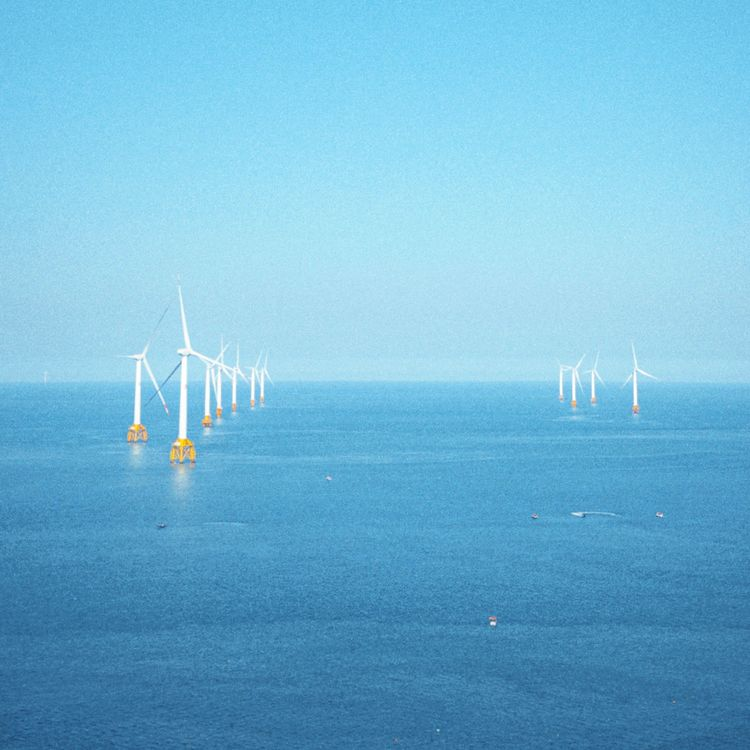
Green Volt has secured a manufacturing capacity reservation with Siemens Gamesa covering 28 offshore wind turbines for its proposed floating wind development off Scotland. The agreement includes specialist engineering resources and turbines individually capable of generating more than 15 MW, advancing procurement for one of Britain’s largest consented floating wind projects.
The development, a joint venture between Flotation Energy and Vårgrønn, has separately signed a letter of intent with the Port of Aberdeen covering anchor handling and marshalling activities at its South Harbour. The port arrangement is expected to support approximately £15 million of investment and expenditure across infrastructure, facilities, and supply chain activities.
Green Volt describes the multimillion-pound turbine reservation as a first for commercial-scale floating wind. Securing manufacturing slots and engineering resources gives the project greater certainty over the availability of generating equipment during development. The reservation precedes the definitive procurement and construction commitments required to bring the turbines into operation.
Located approximately 50 miles off Peterhead, Green Volt has planning consent for up to 560 MW of generating capacity. It secured a 400 MW Contract for Difference through the UK government’s sixth allocation round in September 2024. Together, the 28 reserved machines represent more than 420 MW of nominal turbine capacity. The aggregate equipment rating does not establish the capacity covered by the project’s existing Contract for Difference.
The development originated under Crown Estate Scotland’s Innovation and Targeted Oil and Gas leasing round, which provides opportunities for offshore wind projects supporting the electrification of North Sea production infrastructure. Green Volt intends to supply renewable electricity to participating offshore installations as well as exporting power to the British network.
Electrifying oil and gas installations introduces a different set of operational requirements from supplying electricity exclusively to an onshore network. Offshore production facilities need reliable supplies for equipment including compressors, pumps, electrical drives, and control systems. The variable nature of wind generation means that the supply arrangements must account for periods when renewable output is insufficient to meet those requirements.
The turbine procurement also has direct implications for the development of the project’s floating platforms. Generating equipment rated above 15 MW imposes substantial loads on its supporting structure, with the characteristics of the rotor, tower, and control system influencing the engineering requirements for the platform and mooring equipment. Reserving a turbine type allows those interfaces to be developed around a more defined equipment specification.
Electrical integration presents additional challenges because floating wind turbines move relative to the seabed during operation. Dynamic cable sections must accommodate that movement while maintaining the required electrical performance. Cable engineering needs to account for repeated mechanical loading, bending characteristics, and the interaction between the cable configuration and the floating structure’s mooring arrangement.
Green Volt’s agreement with the Port of Aberdeen addresses another substantial element of the floating wind supply chain. Anchors and associated mooring components require suitable storage and handling facilities before offshore deployment. Marshalling activities bring equipment together in the sequence required by the installation programme, reducing the need for offshore vessels to wait for individual components to become available.
The port’s £420 million South Harbour expansion provides deeper-water berths and infrastructure suitable for handling larger vessels and industrial equipment. Its proposed role in Green Volt would build on Aberdeen’s established position supporting offshore energy operations, extending existing maritime and engineering capabilities into commercial floating wind construction.
The availability of appropriate port infrastructure is becoming increasingly significant across offshore wind developments. The first components for Scotland’s separate Inch Cape offshore wind farm recently departed Dundee, demonstrating how developers are coordinating regional manufacturing and port capabilities with offshore installation schedules. Floating wind will introduce additional requirements associated with anchors, moorings, and floating structures.
Green Volt must coordinate its turbine procurement with the engineering and manufacture of those structures, alongside cable production, vessel availability, and the delivery of its electricity connection. Manufacturing capacity reservations can help establish a basis for planning across those packages, particularly where several developments are competing for comparable equipment and specialist engineering resources.
The turbine agreement and Aberdeen letter of intent advance two significant elements of the project’s procurement programme. Further commercial commitments and detailed engineering will establish how the reserved generating equipment, offshore installation arrangements, and electrical infrastructure are brought together within the consented development.