IN Brief:
- Green Turtle will provide 700MW of power and 2,800MWh of storage in Belgium.
- Ten banks are providing €450 million of debt, with InfraVia supplying the remaining equity.
- Construction is scheduled to begin in September 2026, ahead of commissioning in 2028.
GIGA Storage has reached financial close on the Green Turtle battery energy storage project in Belgium, clearing the way for construction of a 700MW/2,800MWh installation at the Rotem industrial estate in Dilsen-Stokkem.
A consortium of ten international banks is providing €450 million of debt financing, while InfraVia Capital Partners, GIGA Storage’s majority shareholder, will provide the remaining project equity. The lending group comprises ABN AMRO, ING, Rabobank, Triodos Bank, Triodos Investment Management, a.s.r., Belfius, Hamburg Commercial Bank, Santander, and SMBC.
Financial close was completed on 9 July, with construction scheduled to begin in September 2026 and commercial operation planned for 2028. Permitting, land arrangements, principal supplier contracts, and the grid connection were completed before the financing package was signed.
Tesla has been appointed as engineering, procurement, and construction contractor and will supply its Megablock battery systems. It will also provide long-term maintenance services after commissioning, placing equipment integration, principal construction delivery, and continuing technical support within a single contractual package.
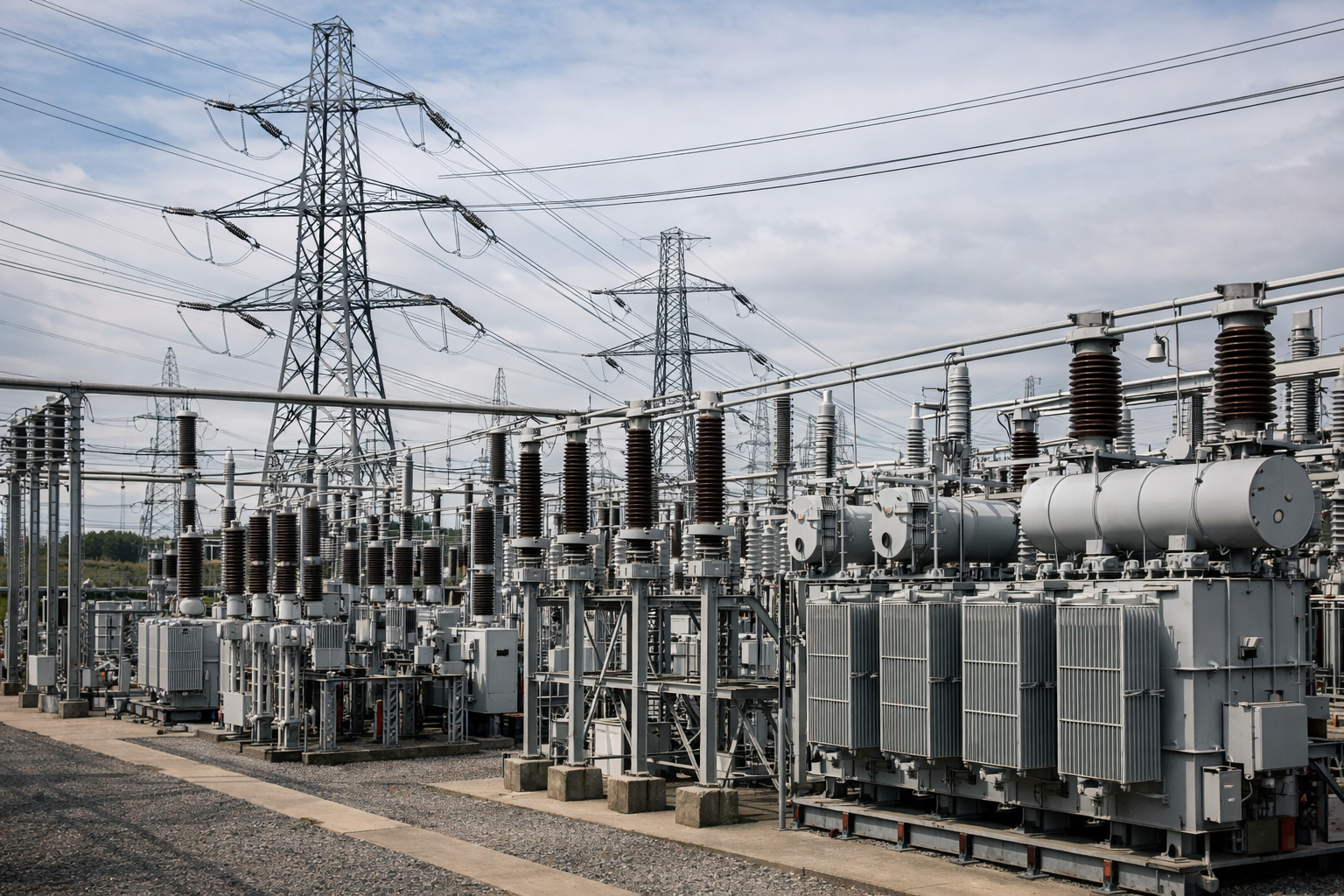
Green Turtle will connect directly to Belgian transmission system operator Elia’s 380kV network through a new high-voltage substation being developed for the project. Once operational, the four-hour system will be capable of delivering 700MW at full output, while its 2,800MWh energy capacity will allow it to sustain that discharge for considerably longer than many earlier European grid batteries.
GIGA Storage will operate the installation, with capacity made available to Elia and electricity-market participants for balancing, congestion management, and energy trading. Day-to-day operation will require continuous coordination between state-of-charge limits, warranty conditions, market positions, network instructions, and asset availability.
The four-hour configuration reflects the changing requirements being placed on grid-scale storage. Earlier battery projects were often designed around short-duration frequency-response services, where rapid reaction and repeated cycling carried greater value than sustained discharge. As those markets become more competitive, larger installations are increasingly being designed to shift electricity between periods of surplus and scarcity, support constrained parts of the network, and provide extended balancing capacity.
Belgium’s position within the interconnected north-west European electricity system strengthens that operating case. Renewable output, cross-border flows, interconnector availability, thermal generation, and local transmission constraints can create substantial price and system variation across Belgium, Germany, and the Netherlands within the same day.
The Rotem site lies close to the Dutch and German borders, placing Green Turtle within a region where renewable deployment is advancing alongside major transmission investment. Although the battery will operate within Belgian market and network arrangements, its dispatch conditions will be shaped by wider continental power flows and neighbouring market prices.
A project of this size requires considerably more than battery enclosures. The electrical scope includes power conversion systems, transformers, high-voltage switchgear, protection and control, auxiliary supplies, communications, metering, fire detection, cooling, and a grid interface designed to comply with Elia’s operational requirements.
Commissioning will therefore proceed through staged testing of individual battery blocks, conversion equipment, substation systems, communications, and the aggregated response of the complete plant. Its ability to follow power instructions accurately, remain within voltage and frequency requirements, and respond safely during faults or outages will need to be demonstrated before full operation begins.
The financing package also indicates that European battery projects are moving beyond smaller merchant developments. A ten-bank lending group must assess construction risk, equipment guarantees, grid access, operational strategy, and long-term revenue assumptions before committing capital at this scale.
Battery economics remain exposed to changing wholesale spreads, balancing prices, network charges, equipment degradation, and future market reforms. The Green Turtle financing structure suggests that these risks can be allocated credibly where grid access, construction arrangements, project scale, and investor backing are sufficiently developed.
Europe’s wider storage programme is moving in the same direction. The EU action plan targeting 200GW of storage by 2030 will require a range of project classes, from behind-the-meter systems and distribution-connected batteries to transmission-scale installations capable of moving substantial volumes of electricity across several hours.
Green Turtle follows GIGA Storage’s 300MW/1,200MWh Leopard project in the Netherlands, while the company is also progressing the 350MW/1,400MWh Albatross development in Germany. Its wider pipeline covers Belgium, Germany, and the Netherlands, with more than 2GW of operational storage targeted by 2030.
With financing complete, the project now moves into a construction programme shaped by high-voltage equipment delivery, battery manufacture, civil works, substation completion, and system commissioning. The commercial structure has been assembled; the next test is whether the physical installation can be delivered to its 2028 operating timetable.