IN Brief:
- The EU had 1,170,493 publicly accessible charging points at the end of June 2026.
- The installed total increased by 18% over 12 months, with strong national variation.
- Network performance increasingly depends on power capability, uptime, payment access, and connection capacity.
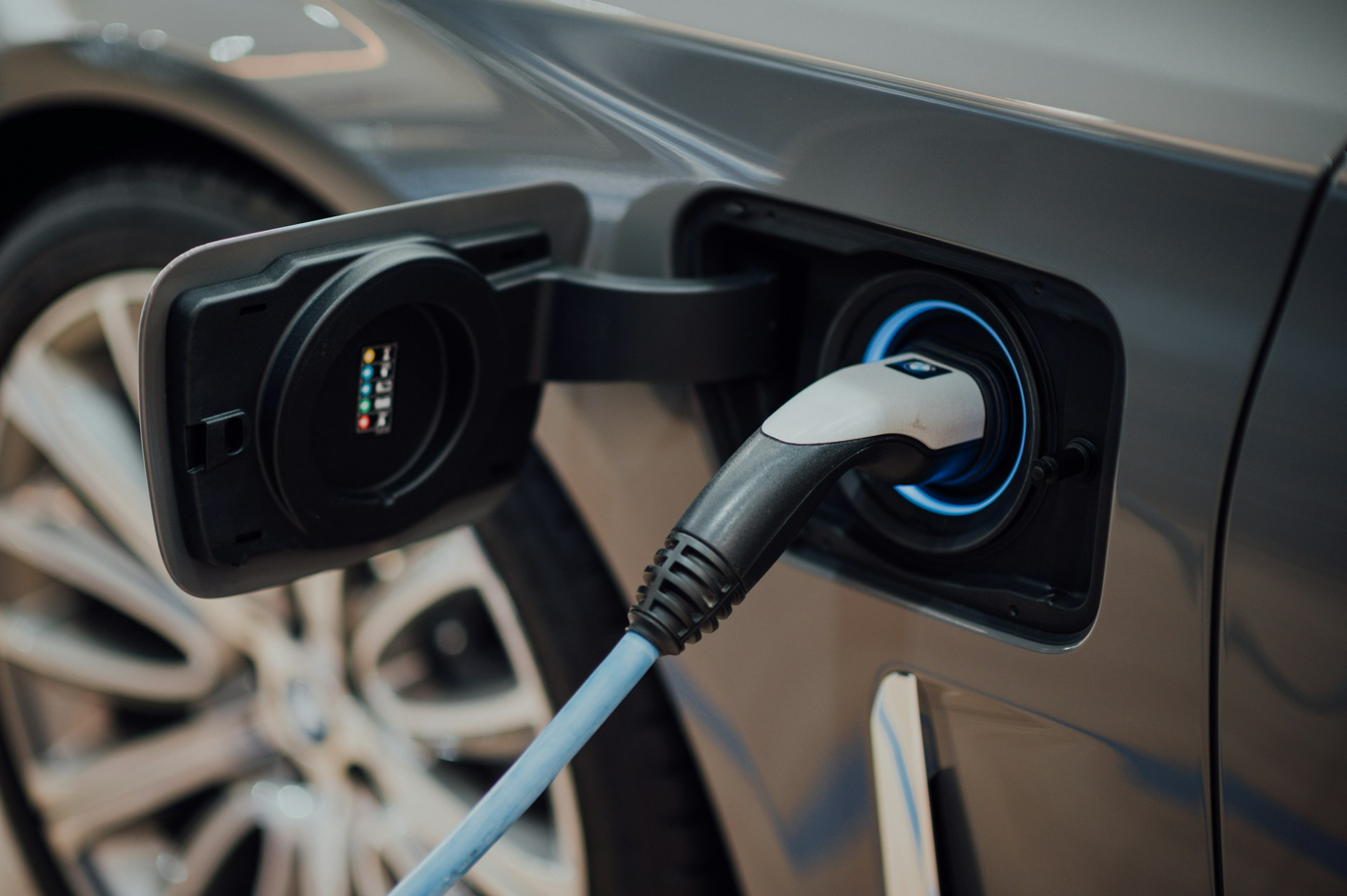
The European Alternative Fuels Observatory recorded 1,170,493 publicly accessible electric vehicle charging points across the European Union at the end of June 2026.
Representing an 18% year-on-year increase, the total confirms continued physical expansion despite substantial differences between national markets. Public funding, electric vehicle uptake, planning systems, grid availability, housing patterns, road networks, and the maturity of commercial charging operators continue to shape the pace and type of deployment.
Preliminary registration data accompanying the infrastructure figures covers 13 member states updated through June, with other countries carrying May figures. Those 13 markets recorded 238,897 battery-electric vehicle registrations during the month, 41.5% above the comparable period and equivalent to a 25.3% share within the reporting group.
Several larger markets continued to add substantial numbers of chargers, with France installing 55,851 more points than a year earlier and Germany adding 84,057. Smaller markets can produce higher percentage growth from a limited starting base, so absolute deployment and relative expansion provide different measures of progress.
Through the Alternative Fuels Infrastructure Regulation, common European requirements now cover geographic availability, payment access, information, and deployment along the principal transport network. National programmes and commercial investment must translate those obligations into sites with sufficient land, electrical capacity, communications, maintenance access, and user facilities.
Each registered point can nevertheless represent a markedly different electrical asset. A low-power kerbside AC socket and a liquid-cooled motorway charger delivering several hundred kilowatts are counted individually, although their vehicle throughput, network demand, transformer requirements, installation scope, and capital cost are not comparable.
Connector totals reveal only part of capacity
As vehicles accept higher charging rates and fleets require predictable turnaround, power capability is becoming as significant as the number of outlets. A location containing several ultra-fast chargers can supply more energy each day than a larger estate of low-power equipment, provided the connection and site controls allow simultaneous operation.
Headline charger ratings do not necessarily describe the power available during every session. Dynamic load sharing can divide a fixed site import among connected vehicles, while battery temperature, vehicle charging curves, cable cooling, charger architecture, and grid constraints can all reduce the rate achieved in service.
High-power sites consequently require more than dispensers and parking bays. Transformers, substations, low- or medium-voltage switchgear, protection, earthing, metering, communications, cable routes, and civil works can occupy a substantial share of the budget and determine whether later expansion is practical.
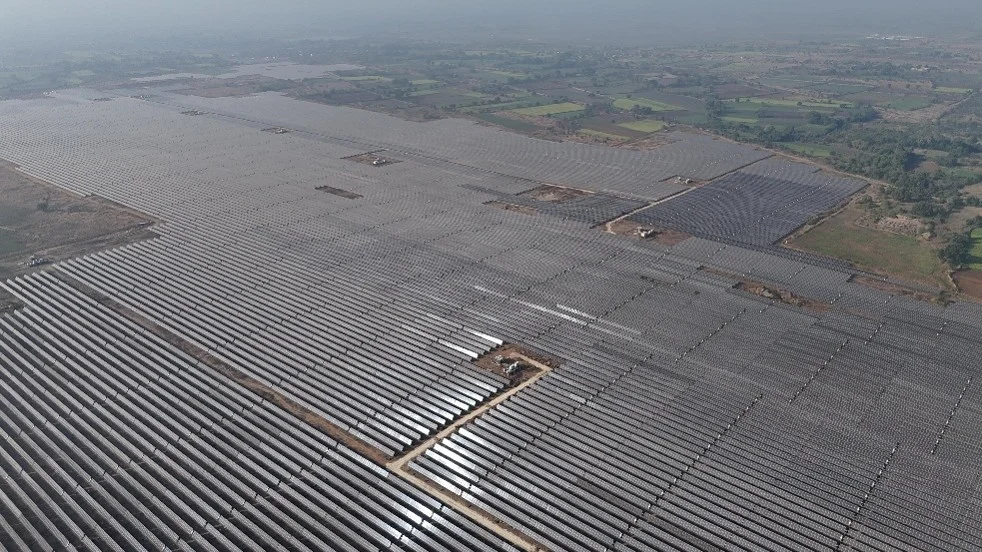
Where several vehicles arrive simultaneously, site demand can rise sharply. Battery storage, solar generation, managed charging, and tariff optimisation can reduce the maximum import or defer reinforcement, although each introduces further controls, protection functions, operating modes, maintenance requirements, and conversion losses.
Reliability is becoming a more visible measure of network performance because installed equipment contributes little capacity when payment terminals fail, communications are lost, connectors are damaged, or replacement parts remain unavailable. Remote diagnostics and modular power units can shorten outages, but cables, contactors, cooling systems, protective devices, and user interfaces still require physical maintenance.
Cross-border usability also depends on payment and roaming arrangements. Drivers need transparent prices and straightforward access without maintaining a separate agreement for every operator, while charge point operators must reconcile energy, payment, roaming, maintenance, and asset data across several platforms.
Vattenfall’s acquisition of a Swedish ultra-fast charging portfolio illustrated the continuing consolidation of operational sites and development pipelines. Larger networks increasingly combine property rights, grid capacity, software, maintenance systems, electricity procurement, and established customer relationships.
Connection delivery remains a persistent constraint because suitable roadside and urban locations do not always coincide with spare distribution capacity. Reinforcement can involve new substations, upstream cable work, protection studies, land rights, and equipment with procurement times considerably longer than the chargers themselves.
Public rapid charging also affects distribution planning differently from domestic charging. Residential demand can often be distributed through overnight periods, whereas travel hubs and fleet sites may produce concentrated loads during predictable peaks, requiring forecasts that account for traffic, weather, tariffs, vehicle capability, and future utilisation.
The European total demonstrates continued deployment, but connector counts will increasingly need to be read alongside rated power, energy delivered, availability, session success, utilisation, and geographical coverage. Those measures distinguish a dependable charging network from a collection of registered electrical assets whose practical availability and output remain uneven.