IN Brief:
- Hydropulse has signed heads of terms with an unnamed European refinery for a proposed 150 MW green hydrogen installation.
- The project would use ITM Power's Alpha electrolyser platform under a planned ten-year hydrogen supply arrangement.
- Front-end engineering is underway, with a final investment decision targeted for 2027 and production envisaged from 2029.
ITM Power has advanced plans for a 150 MW renewable hydrogen installation at a European oil refinery, with its Hydropulse subsidiary signing heads of terms for a proposed ten-year hydrogen supply agreement. The parties have begun a joint front-end engineering design study, targeting a final investment decision in 2027 and the start of hydrogen production in 2029.
The refinery has not been identified, and the parties have yet to conclude definitive commercial agreements. Under the proposed structure, Hydropulse would build, own and operate the installation, supplying hydrogen to the refinery over the contract period rather than selling the electrolyser equipment outright.
ITM Power intends to use its Alpha electrolyser platform, which is based on proton exchange membrane technology and designed for larger industrial production facilities. The proposed 150 MW rating represents the electrical capacity of the installation, although its final equipment arrangement and supporting infrastructure remain subject to the engineering study.
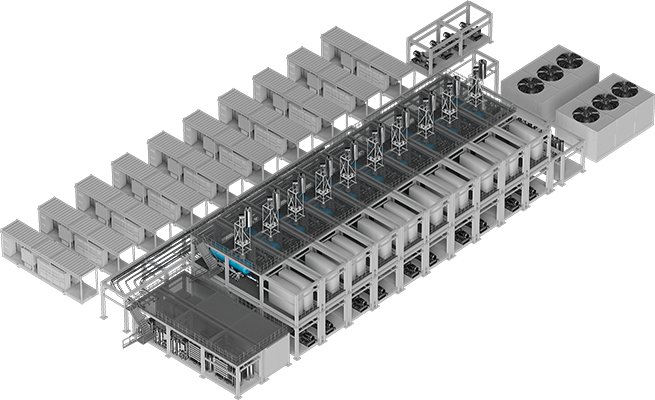
The Alpha 50 platform provides a standardised 50 MW plant configuration using ITM Power’s Trident electrolyser stacks. The manufacturer describes it as a prefabricated, modular system capable of being combined into larger installations. That approach provides an established engineering basis for the refinery proposal, but the company has not confirmed the number or precise arrangement of Alpha units that would be deployed.
Proton exchange membrane electrolysis uses electrical energy to separate water into hydrogen and oxygen. An ion-conducting membrane enables the electrochemical reaction while separating the product gases, and the complete installation requires electrical conversion, water treatment, cooling, gas processing and control systems alongside the electrolyser stacks.
ITM Power’s Alpha 50 reference design produces hydrogen at a nominal pressure of 30 bar and is designed to accommodate changes in electrical input. Those are characteristics of the standard platform rather than confirmed performance specifications for the proposed refinery installation. The final operating pressure, hydrogen delivery conditions and production profile will depend on the refinery’s requirements and the completed process design.
Hydrogen is widely used in petroleum refining, including processes for removing sulphur from intermediate products and upgrading hydrocarbon streams. A new electrolytic production plant could supply hydrogen currently obtained through other production routes, provided it meets the refinery’s requirements for gas purity, pressure, availability and delivery volumes.
The announcement does not identify which refinery processes would receive the hydrogen or establish how much existing production capacity might be displaced. Those details influence whether the new facility can meet continuous process demand independently or must operate alongside existing hydrogen supply arrangements.
The front-end engineering study will determine how the electrolyser integrates with the refinery’s electrical and process infrastructure. A plant with a 150 MW electrical rating represents a substantial additional industrial load, requiring suitable transformers, conversion equipment, switchgear, protection and control systems. The connection arrangement must accommodate both the electrolyser’s operating characteristics and the refinery’s existing electricity demand.
Changes in the electrolyser’s power consumption can affect the site’s electrical loading, while the hydrogen production process must remain within its permitted operating conditions. These considerations require coordination between the plant’s electrical controls and the refinery’s gas supply requirements, particularly if the installation is expected to vary its output in response to electricity availability.
Hydropulse’s proposed commercial model places responsibility for operating the hydrogen production equipment with the supplier. The refinery customer is expected to provide the site and utilities, including electricity, limiting Hydropulse’s direct exposure to fluctuations in power prices. That arrangement would alter the allocation of commercial risks compared with an installation purchasing electricity independently on the wholesale market.
Electricity remains a major component of hydrogen production economics, even when its procurement cost is borne by the customer. The price, availability and renewable origin of the power supply will affect the wider cost and environmental characteristics of the hydrogen. The parties have not disclosed the proposed electricity sourcing arrangements or the expected annual consumption of the installation.
The planned ten-year hydrogen supply contract could provide a revenue basis for financing equipment that Hydropulse would retain on its own balance sheet or within a dedicated project structure. ITM Power says it is already discussing project-level financing with banks, seeking to expand the business without funding every installation entirely through its own corporate resources.
No binding debt package has been announced. The financing discussions will need to progress alongside the refinery supply contract, equipment specifications and engineering studies before the company can commit to construction. The terms ultimately agreed will determine how capital expenditure, operating costs and performance obligations are allocated.
Under the proposed Hydropulse model, the subsidiary would retain ownership of the production equipment and receive revenue for supplying hydrogen throughout the contract. A conventional equipment sale would instead transfer ownership to the purchaser and generate technology-supply and associated service revenue for ITM Power.
Plant availability will consequently be central to the proposed operating arrangements. Electrolyser stacks, power conversion equipment, water treatment and auxiliary systems must work together to maintain production, while scheduled maintenance and equipment faults need to be accommodated within the agreed hydrogen supply commitments.
Refinery-specific engineering must integrate the Alpha equipment with the site’s electrical systems, hydrogen handling, safety controls and operating procedures. Plot layout, utility connections and construction sequencing will depend on the selected equipment and the approved installation design.
Chief executive Dennis Schulz has indicated that the development could become ITM Power’s largest commercial commitment to date if it progresses to definitive agreements. The present announcement establishes an engineering and commercial development programme rather than a binding order for 150 MW of installed capacity.
Hydropulse and the refinery will continue the front-end engineering, financing and contractual work required for a final investment decision in 2027. The proposed 2029 start of hydrogen production remains conditional on those agreements, construction, commissioning and successful integration with the customer’s operations.