IN Brief:
- Ørsted has exercised its contractual right to acquire the remaining 49.9% interest in Gunfleet Sands 1 & 2.
- The £15 million transaction is expected to close in November 2026, subject to customary conditions.
- Full ownership would allow Ørsted to assess future operating options for the 172 MW offshore wind farm, including a possible lifetime extension.
Ørsted has exercised a contractual right to acquire the remaining 49.9% interest in Gunfleet Sands 1 & 2, the 172 MW offshore wind farm located seven kilometres off the Essex coast. The company will pay approximately £15 million for the minority holding, with completion expected in November 2026, subject to customary closing conditions.
Ørsted already owns 50.1% of the operating asset and will become its sole owner if the transaction completes. The proposed acquisition is intended to give the company greater control over decisions affecting the wind farm’s remaining operating life, including maintenance investment and the possibility of extending generation beyond its current planning assumptions.
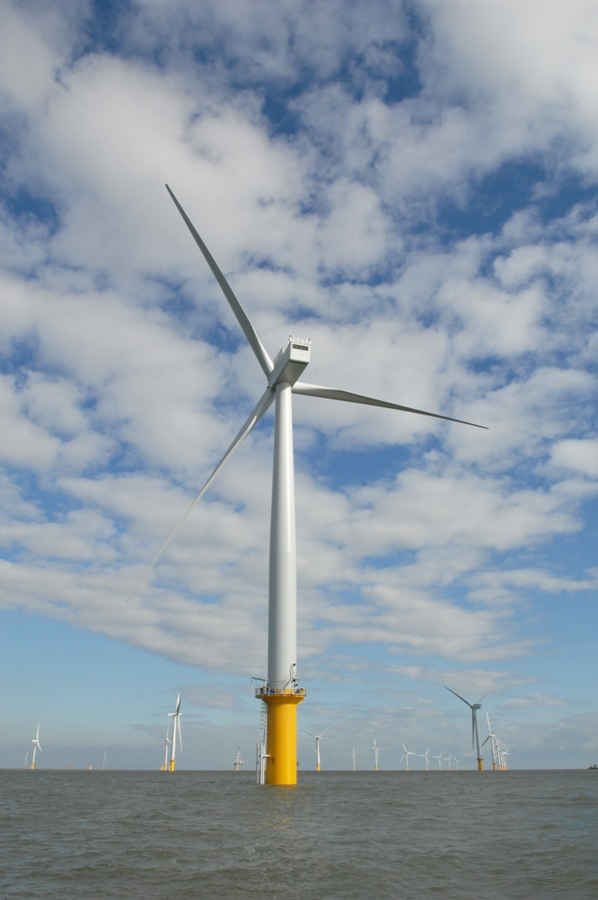
Gunfleet Sands 1 & 2 began operating commercially in 2010, making it one of the earlier large offshore wind developments in Britain. Its 48 turbines have a combined generating capacity of approximately 172 MW, and Ørsted estimates that the installation produces enough electricity annually to meet the equivalent requirements of more than 125,000 British homes.
The turbines are installed in the Thames Estuary, approximately seven kilometres south-east of Clacton-on-Sea. The relatively short distance from the mainland reflects a period when offshore wind projects were generally smaller and closer to shore than the multigigawatt developments now under construction in the North Sea.
Gunfleet Sands 1 comprises 30 turbines and Gunfleet Sands 2 a further 18, each with a 3.6 MW nominal rating. Together these total 172.8 MW, expressed as 173 MW in Ørsted’s operating asset figures. The £15 million transaction, however, describes Gunfleet Sands 1 & 2 as a 172 MW asset; the technical basis for the lower transaction figure has not been specified.
The existing ownership arrangement dates to 2011, when Ørsted’s predecessor DONG Energy agreed to sell a 49.9% interest to Japanese trading company Marubeni. The original transaction, completed in November of that year, was valued at approximately £200 million and included commercial arrangements for operation and maintenance and the sale of the electricity generated.
At the time, selling a minority interest allowed the developer to recover capital from an operating installation while retaining control and continuing its involvement in managing the asset. The approach became an established means of bringing infrastructure investors into offshore wind developments whose principal construction risks had already been addressed.
The latest transaction uses a buyback right established under the original partnership arrangements. Ørsted has not named every current minority investment partner in its October announcement, and the proposed consideration should not be assumed to relate exclusively to the original 2011 investor.
The original approximately £200 million investment concerned a minority interest in a recently commissioned wind farm, whereas the latest £15 million consideration covers the corresponding stake after more than sixteen years of operation. Remaining asset life, projected electricity revenues, contractual obligations and anticipated maintenance expenditure affect the commercial comparison between the two transactions.
As an offshore wind farm ages, asset management becomes increasingly concerned with the condition and remaining service life of equipment. Turbine drivetrains, generators, converters and control systems may require refurbishment or replacement, while foundations, support structures and offshore cables must remain suitable for continued operation.
The engineering assessment needed for a possible lifetime extension would therefore cover several interconnected systems. Structural inspections can identify fatigue, corrosion and other deterioration, while operating records provide evidence of loading, component availability and the history of maintenance interventions.
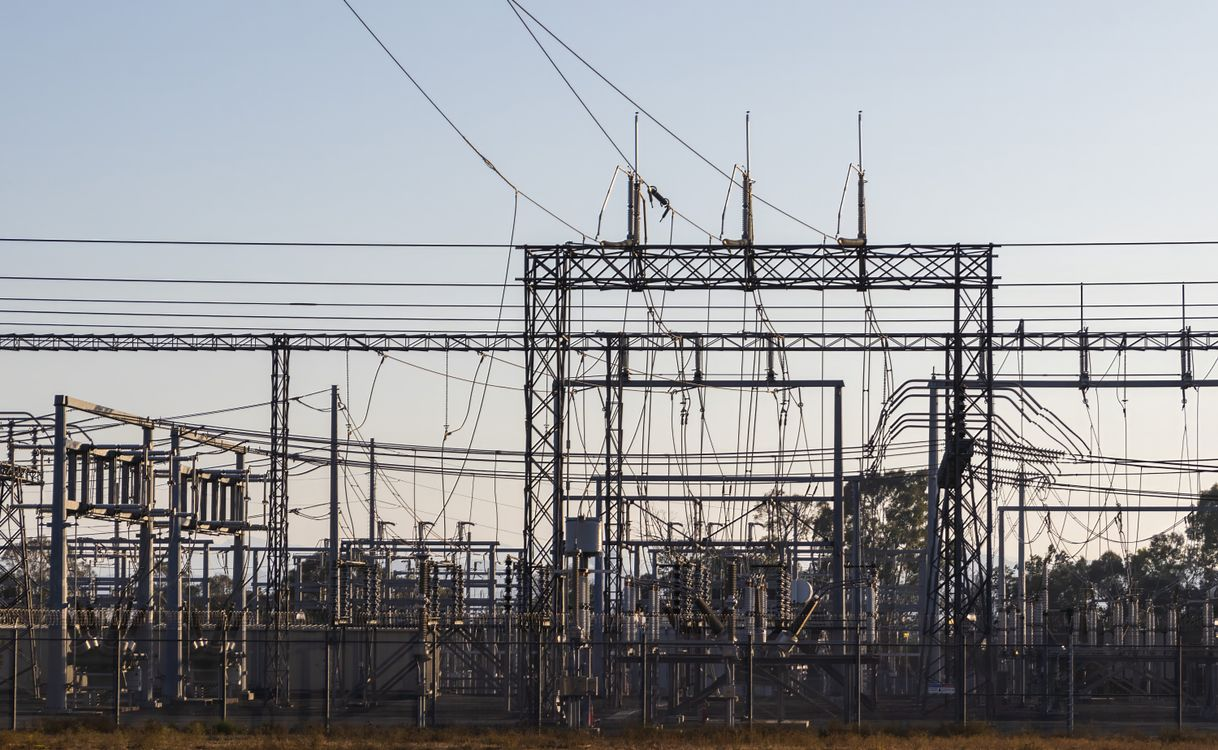
Transformers, cables, protection equipment and power converters require condition assessments to establish whether they can continue operating reliably within design limits. Decisions about replacement components and major refurbishment will depend on technical feasibility and the projected value of electricity generated over the remaining operating period.
Full ownership would allow Ørsted to evaluate these investments without the same minority shareholder approval arrangements that may apply under the existing partnership. Extending the wind farm’s operating life would still require condition assessments of the turbines, foundations and electrical assets, any necessary consents or regulatory approvals, and a commercial justification for the associated maintenance and refurbishment costs.
No lifetime extension has yet been approved or announced for Gunfleet Sands 1 & 2. Ørsted has not disclosed a new structural assessment, turbine refurbishment programme, repowering proposal or revised decommissioning timetable. Its statement identifies a possible extension as one of the options the company would be better positioned to examine after the acquisition.
The proposed change in ownership also leaves the asset’s installed generating capacity unchanged. Its turbines will continue operating through their existing electricity export arrangements, while future output depends on wind conditions, equipment availability and maintenance performance rather than the number of shareholders in the project company.
Gunfleet Sands’ offshore transmission assets were sold separately under Ofgem’s offshore transmission arrangements. Ownership of the generating turbines is therefore distinct from ownership of the regulated offshore transmission assets connecting the project to Britain’s electricity network.
Gunfleet Sands 3, a separate two-turbine demonstration development nearby, entered operation in 2013 and is already wholly owned by Ørsted. The current transaction concerns Gunfleet Sands 1 & 2 rather than the later demonstration installation.
Ørsted operates twelve offshore wind farms in Britain and estimates that their combined output represents approximately 7% of the country’s electricity. The company has considerable experience in operating assets built at different stages of offshore wind development, giving it access to maintenance and engineering information relevant to long-term investment decisions.
Completion of the minority stake acquisition is currently expected in November, with the transaction remaining subject to its closing conditions. If completed, Ørsted will be able to make future decisions about Gunfleet Sands 1 & 2 as sole owner, while any extension to its operating life will require separate technical and commercial assessment.