IN Brief:
- EWE Hydrogen and Verbund Green Hydrogen plan a joint venture to develop the CHC Elektrolyse JadeWeser project.
- The proposed electrolyser could provide up to 500 MW of capacity and produce approximately 50,000 tonnes of hydrogen annually.
- Its location near 380 kV electricity infrastructure, the planned hydrogen core network and cavern storage is central to the development proposal.
EWE and Austrian energy company Verbund have announced plans for a joint venture to develop the CHC Elektrolyse JadeWeser hydrogen project near Nordenham in northern Germany. The proposed installation would provide up to 500 MW of electrolysis capacity, with anticipated annual production of approximately 50,000 tonnes of renewable hydrogen and the potential to begin supplying customers from 2032.
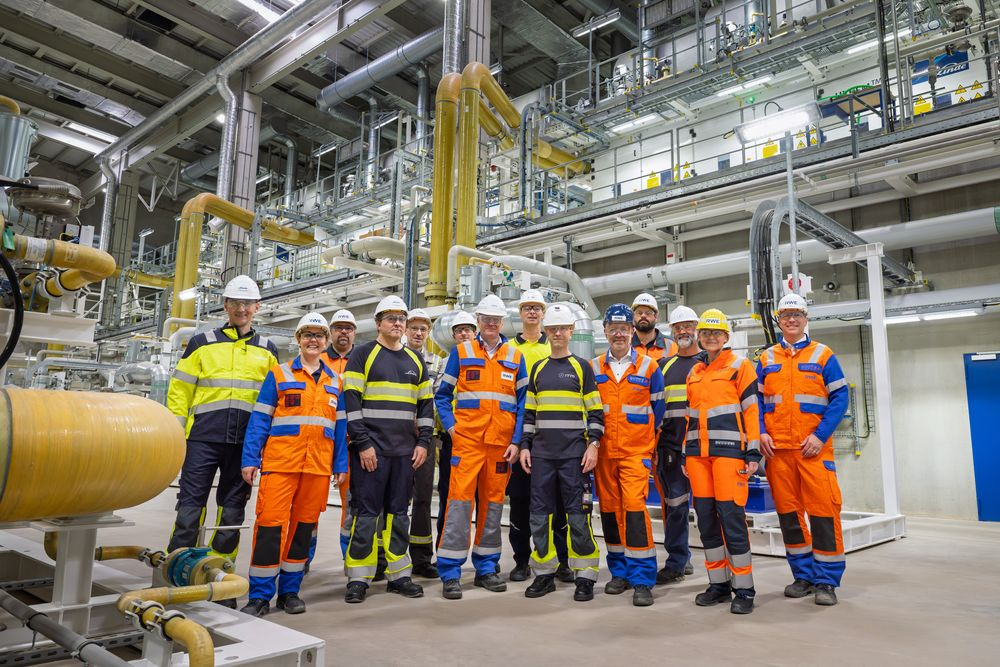
The development will be advanced through a dedicated project company involving EWE Hydrogen and Verbund Green Hydrogen. Announced on 9 October, the venture combines the companies’ experience in electricity generation, hydrogen infrastructure and industrial energy supply, with its investment programme still dependent on further technical and commercial development.
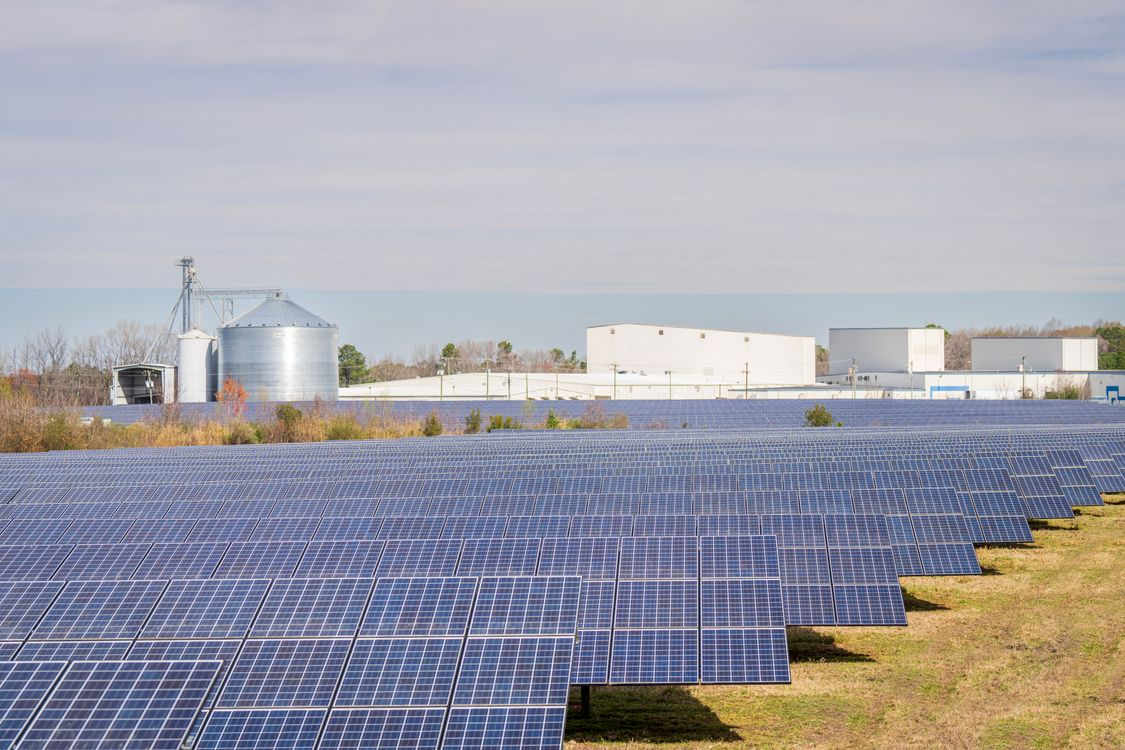
JadeWeser is planned for land in the southern part of Nordenham, within the Wesermarsch district of Lower Saxony. The partners have secured access to a site close to substantial electricity infrastructure, the emerging German hydrogen transmission network and facilities suitable for underground hydrogen storage. Connecting those systems to the plant will require separate engineering and commercial arrangements.
The proposed 500 MW electrolyser would require a substantial high-voltage electricity supply, with existing 380 kV network infrastructure located near the Nordenham site. Transformers, electrical conversion equipment, protection systems and network operating arrangements would be needed to accommodate the plant’s intended demand.
The partners are considering an expansion of the site’s electrical connection towards gigawatt-scale capacity. Network studies and an agreed connection arrangement will determine the permitted import capacity, transformer configuration and operating constraints for the proposed plant.
Electrolysis uses electrical energy to separate water into hydrogen and oxygen. Depending on the technology selected, the process requires stacks containing electrochemical cells, together with electrical conversion equipment, water treatment, cooling systems and gas processing infrastructure. The electricity supplied to the plant must be converted and controlled in accordance with the requirements of the electrolyser system.
The partners envisage up to 500 MW of electrolysis capacity producing approximately 50,000 tonnes of hydrogen annually. Final output will depend on the equipment selected, conversion efficiency, operating hours and auxiliary demand. The electrolyser supplier and final process configuration have yet to be announced.
The origin and cost of electricity will influence the commercial arrangements for JadeWeser. Hydrogen qualifying as a renewable fuel of non-biological origin must satisfy relevant European requirements governing the electricity used in its production. These rules create conditions around renewable sourcing and associated accounting, while network charges and electricity costs affect the competitiveness of the resulting hydrogen.
A 500 MW electrolyser would impose a substantial and potentially variable load on the electricity network. Its dispatch profile would depend on the selected equipment, hydrogen delivery commitments and the arrangements agreed with the network operator. The partners have not identified a contracted demand-response or balancing service.
The proposed location also offers access to Germany’s developing hydrogen core network. Once the necessary connections are established, the network could transport hydrogen from Nordenham to industrial and other customers beyond the immediate production site. The project is intended to serve applications in industry, mobility and the wider energy sector.
Hydrogen leaving the electrolyser would pass through gas handling, measurement and pipeline infrastructure, while a separate high-voltage connection would import the electrical power required for production. The pressure, purity and operating requirements at the hydrogen network interface will be established during detailed engineering.
Nearby underground cavern storage could provide another element of the proposed system. Where suitable storage capacity is available, hydrogen can be injected during periods of production and withdrawn later to meet customer demand. The arrangement may allow production and delivery schedules to differ, although its flexibility will depend on the contracted storage volume and permitted injection and withdrawal rates.
Using the nearby pipeline and cavern infrastructure will require agreements covering hydrogen quality and pressure, storage volume, injection and withdrawal rates, and network access. These commercial and engineering interfaces will determine how production can be separated from customers’ immediate delivery requirements.
The partners have approximately 400 MW of hydrogen projects already in implementation or operation across their respective portfolios. This provides experience in developing electrolysis and related infrastructure, although JadeWeser remains a separate proposed installation with its own investment and operating requirements.
Long-term customer commitments will influence how much hydrogen production capacity can be financed. Electricity procurement, network charges and the applicable renewable-hydrogen rules will determine important parts of the plant’s expected operating costs and commercial eligibility.
Detailed engineering must establish the electrical import arrangements, hydrogen transport and storage interfaces, and the commercial basis for construction. The partners envisage first hydrogen deliveries in 2032, subject to the remaining investment, development and commissioning decisions.