
IN Brief:
- Elgin's five projects have a combined reported capacity of 230MW across four English counties.
- Estimated construction-related capital expenditure is approximately £175m, compared with nearly £400m in lifetime investment commitments.
- Four final investment decisions are targeted by December 2026 and the remaining decision by March 2027.
Elgin has outlined plans for nearly £400 million of investment commitments across five UK renewable energy developments, representing a combined reported capacity of 230MW and a programme of final investment decisions extending into early 2027.
The projects are located in Suffolk, Buckinghamshire, Leicestershire and Staffordshire. Four are expected to reach final investment decision by the end of 2026, with the fifth targeted for completion of that process by the end of March 2027.
Elgin’s projected investment figure covers development, construction and a 40-year operating period for the five assets. Estimated capital expenditure is approximately £175 million, substantially below the nearly £400 million total because the larger figure includes commitments associated with long-term operation.
The distinction is important when assessing the programme’s immediate construction requirements. The £175 million estimate relates to capital expenditure across the portfolio, while the larger figure represents expenditure considered over a much longer period. Neither should be treated as a confirmed amount already spent on the projects.
The five developments form part of Elgin’s expanding solar and energy storage portfolio in the UK. The company has not disclosed a complete project-by-project capacity breakdown, including the precise division between photovoltaic generation and battery storage within the combined 230MW figure.
Consequently, the reported total cannot be used to calculate an aggregate battery duration, energy storage capacity or final solar module rating. Those figures would require separate electrical specifications for each development, together with confirmation of the equipment and connections selected.
A final investment decision establishes whether a developer is prepared to commit the necessary capital on the basis of its engineering, procurement, financing and commercial assumptions. That decision ordinarily follows work to establish the project’s planning position, grid connection arrangements, construction cost and prospective revenue.
For the Elgin programme, reaching final investment decision will be an important step towards procurement and construction. The October investment announcement does not establish that all five projects have completed that process or that physical construction has begun at every location.
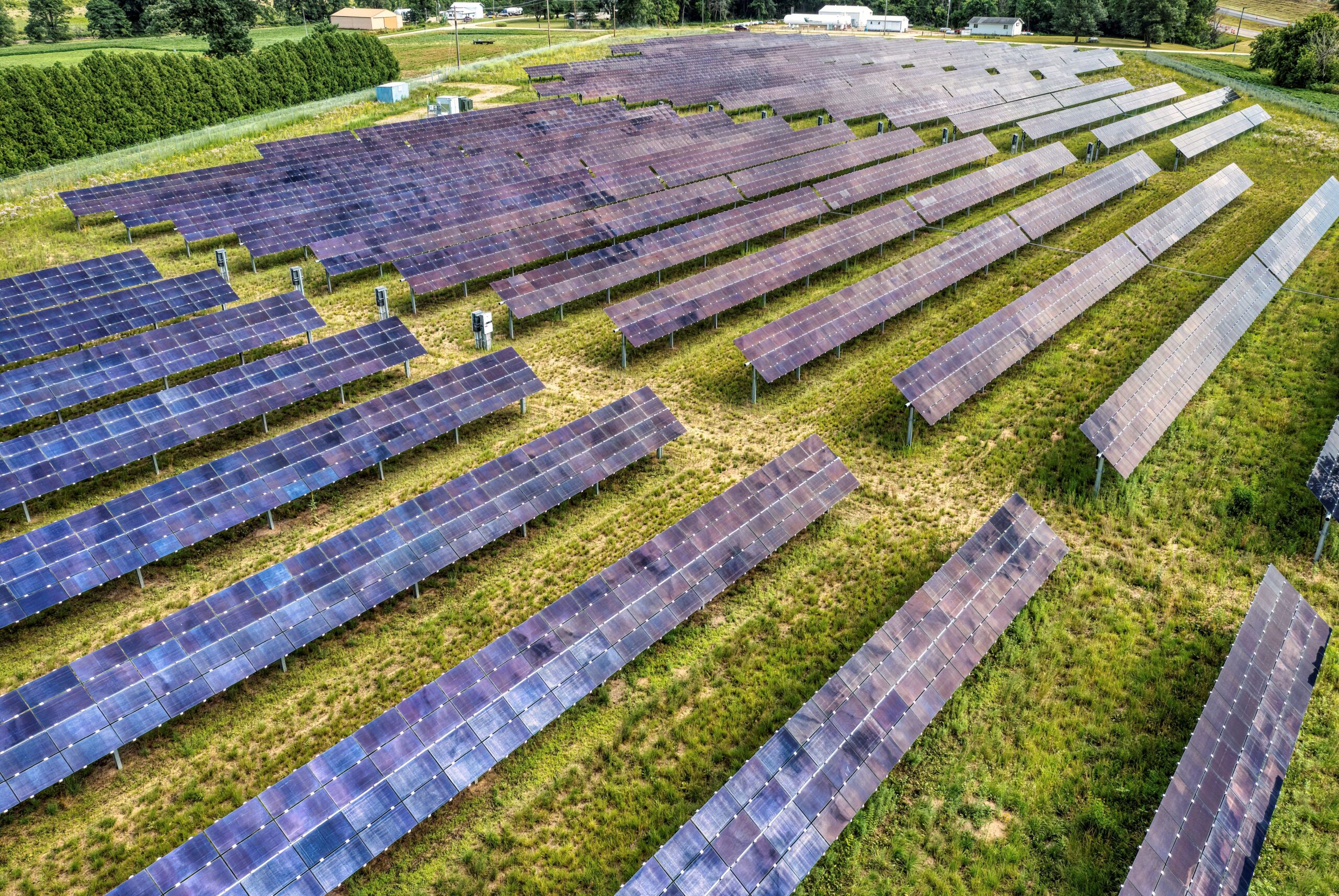
Solar photovoltaic installations generate direct current electricity from sunlight. Their electrical systems include photovoltaic modules, inverters, collection cables, transformers and switchgear, which together transfer power from the arrays to the point of connection with the electricity network.
Photovoltaic capacity is commonly expressed in megawatts peak, representing module output under standard test conditions. Actual production depends on irradiance, cell temperature, conversion efficiency, plant availability and any limits imposed on electricity exports.
The relationship between a solar array’s DC capacity and the rated AC output of its inverters influences the plant’s generation profile. An array with a higher DC rating can make fuller use of the conversion equipment during moderate sunlight conditions, although output may have to be limited when generation exceeds the inverter or connection capacity.
Battery storage introduces an additional electrical resource where it is included in a development. Batteries absorb electricity through controlled charging and hold it as electrochemical energy, which can later be converted back into electricity for delivery through an AC network connection.
The operating characteristics of a battery are described by both its power rating and its energy capacity. Power determines the rate at which electricity can be imported or exported, while energy capacity determines the amount available for charging or discharge. The proposed Elgin portfolio has not been described in enough detail to establish those values for individual storage assets.
The interaction between solar generation and batteries will depend on each project’s connection and control arrangements. A storage system may charge from associated photovoltaic output, from the wider grid or from both, provided its permitted import capacity, metering and operating agreements accommodate those arrangements.
Plant controls must coordinate generation and storage with the connection’s electrical limits. During periods of strong solar production, simultaneous battery discharge may have to be restricted to avoid exceeding the authorised export capacity. Charging from the grid introduces a separate import requirement that must be considered in the connection design.
Each site will also require electrical protection and monitoring equipment suited to its operating configuration. Inverters, transformers and switchgear must be coordinated to manage faults and provide the voltage, frequency and power quality performance required by the network operator.
These requirements can affect development costs and schedules, particularly where connection infrastructure must be reinforced or where equipment procurement depends on the outcome of technical studies. The company has not disclosed the complete grid connection designs or construction programmes for the five developments.
Construction will involve civil and electrical work, including site access, foundations or mounting structures, cabling, power conversion equipment and the installation of the relevant substations or connection infrastructure. Battery projects may also require dedicated thermal management, monitoring and fire safety systems.
The four English county locations will have different site conditions and infrastructure requirements. Ground conditions, access, environmental permissions and proximity to electrical connection points can influence the engineering approach, even where similar equipment is used across more than one project.
Once operational, photovoltaic installations require inspection and maintenance of modules, inverters, electrical connections and transformers. Performance monitoring helps operators identify equipment faults and changes in generation that cannot be explained by weather conditions alone.
Battery systems introduce additional long-term requirements covering cell condition, thermal performance, power conversion equipment and the management of usable storage capacity. Replacement and maintenance activities over an extended operating period contribute to the difference between initial capital expenditure and lifecycle investment.
Elgin expects the developments to support work during construction and longer-term opportunities in operations and maintenance. Actual employment and procurement requirements will depend on final project configurations, contractor appointments and the investment decisions made for each site.
The company is backed by Copenhagen Infrastructure Partners, which acquired a majority stake in Elgin in 2024. Elgin reports a development pipeline exceeding 10GW across its activities, with more than 1GW previously brought to ready-to-build status and more than 300MW under construction in the UK and Ireland.
The newly announced UK programme is separate from Elgin’s recent acquisition of the Kilderry solar development in Ireland. The five English projects have their own investment timetable and should not be combined with that earlier acquisition when calculating the reported 230MW portfolio.
Four final investment decisions are expected before the end of December 2026 and the fifth during the first quarter of 2027. Those decisions will determine whether the planned developments can progress into the capital-intensive construction stage under their proposed financing and delivery arrangements.