IN Brief:
- Solarpro Holding is delivering the Horia 2 construction contract in Arad County, with 269MW of planned grid injection capacity.
- The wider cluster's first expansion phase envisages 568MWp of solar and 669MW/2,000MWh of battery storage.
- Proposed lithium-ion and sodium-ion systems, grid-forming inverters and automated dispatch remain future development elements.
Renalfa Solarpro Group has begun construction of its Horia 2 photovoltaic plant in western Romania, starting physical development of a larger energy cluster intended to combine solar generation, battery storage and coordinated grid operations.
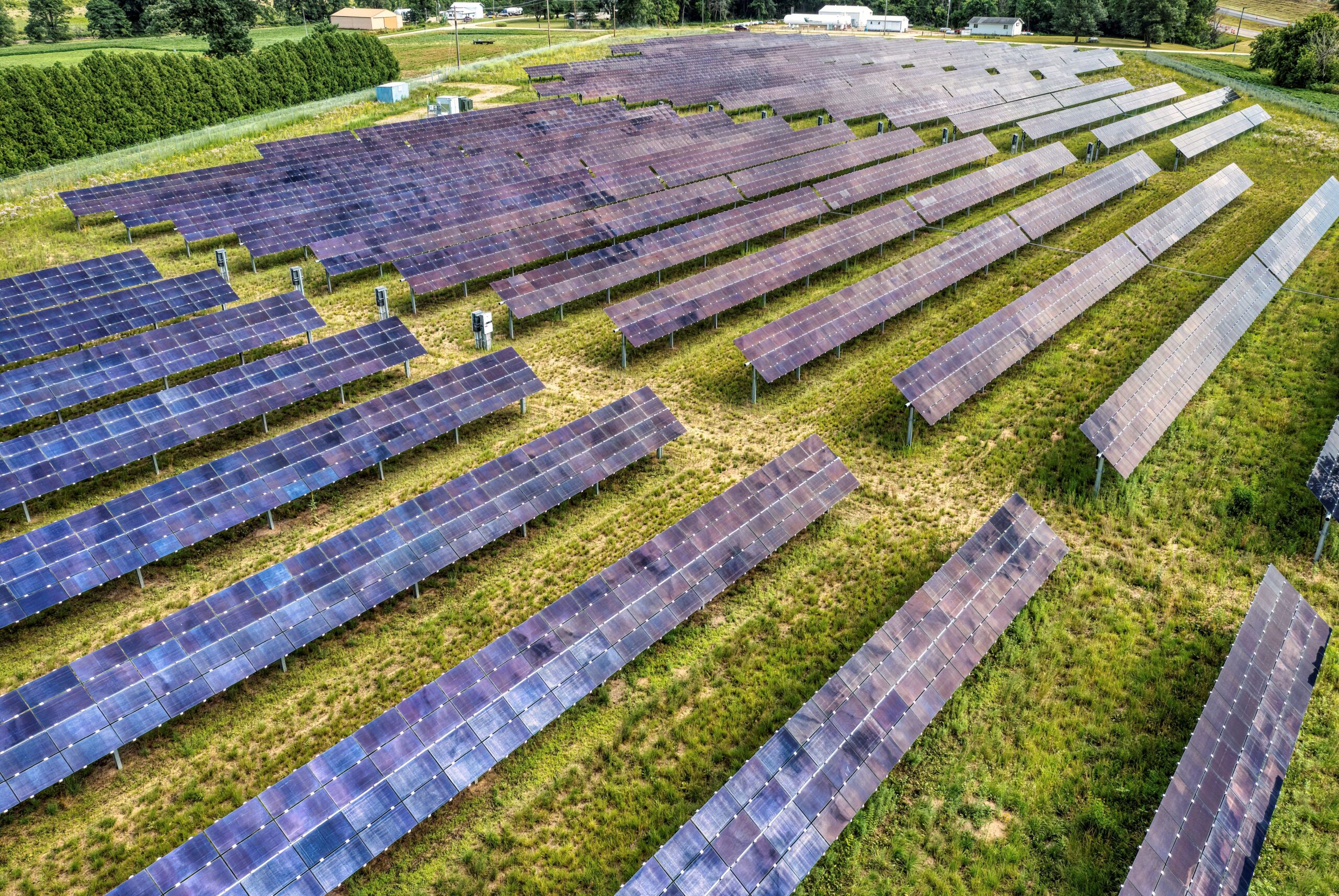
The project is located in Arad County and has a planned photovoltaic capacity of 365MWp, with a grid injection capacity of 269MW. Solarpro Holding, part of the wider Renalfa Solarpro Group, is acting as the engineering, procurement and construction contractor. The construction milestone follows the acquisition of Horia 2 earlier this year.
Renalfa Power Clusters acquired the development in April 2026 through its partnership with French investment manager RGREEN INVEST. The same transaction included a separate battery storage project in Arad County, initially configured for 400MW of power and 800MWh of energy capacity. The intention is to integrate and expand these assets within the proposed Horia–Arad cluster.
Construction of the first solar installation establishes a delivery milestone for that wider programme, although the additional generating and storage capacities remain at various development stages. The current construction work concerns Horia 2 and should not be interpreted as confirmation that the planned battery installations have been built or commissioned.
Horia 2’s 365MWp photovoltaic rating describes the peak DC output of its solar modules under standard test conditions. Its 269MW grid injection capacity represents a different electrical characteristic: the power the development is designed to deliver through its connection to Romania’s electricity network.
The difference between those ratings is relevant to both equipment design and expected electricity production. Photovoltaic modules generate direct current, which must be converted into alternating current by inverters before it can pass through transformers, switchgear and the electrical infrastructure connecting the plant to the transmission system.
Solar module output varies with irradiance, temperature and the electrical operating point of the array. Installed DC capacity can therefore exceed the rated AC export capacity without requiring electricity to be curtailed continuously. A larger photovoltaic array can increase energy production at lower irradiance levels, improving utilisation of the connected electrical equipment.
During periods of high production, inverter limits and the conditions of the grid connection can restrict the amount of electricity exported. The resulting operating profile depends on the relationship between DC capacity, inverter ratings, plant losses and export permissions. Renalfa has not disclosed the complete inverter configuration or the anticipated annual electricity yield for Horia 2.
The construction programme must bring together generating equipment, electrical collection circuits and infrastructure capable of transferring power into the network. In addition to installing photovoltaic modules and mounting structures, the EPC contractor will need to integrate inverter stations, transformers, cabling, protection equipment and the relevant grid connection facilities.
Renalfa’s earlier project information identified the 400kV Arad substation as the intended transmission connection point for the wider development. The final arrangement must satisfy the requirements of the relevant network operator, including electrical protection, voltage control, power quality and the conditions governing the injection of electricity.
Development plans extend considerably beyond the initial photovoltaic installation. The first expansion phase is intended to increase the cluster’s solar capacity to approximately 568MWp and its battery capacity to 669MW of power and 2,000MWh of energy storage. A subsequent phase could add another standalone battery installation rated at 400MW/1,608MWh, potentially alongside further photovoltaic generation.
These are planned capacities, not a record of completed equipment. The precise construction sequence, financing arrangements and commissioning dates for the additional assets have not been established by the Horia 2 construction announcement. The initial battery project acquired in April is also being reconsidered within the larger cluster design.
The proposed storage capacity introduces a second operating function alongside photovoltaic generation. Batteries can absorb electricity when their connection and control arrangements permit, retain that energy electrochemically and return it later through power conversion equipment. The result is a controllable electrical resource whose output need not coincide directly with periods of sunlight.
The planned first-phase battery configuration of 669MW and 2,000MWh corresponds to a nominal discharge duration of approximately three hours at rated power. Actual usable duration would depend on the selected equipment, state-of-charge limits, conversion losses and operating strategy. The figure does not establish that every battery within the proposed cluster will share the same technical configuration.
Renalfa has identified a possible combination of lithium-ion and sodium-ion battery technologies. Different cell chemistries have different operating characteristics, including energy density, temperature behaviour and cycle performance. The commercial and engineering case for combining them would depend on the eventual equipment specifications and the duty assigned to each storage system.
The developer also intends to investigate grid-forming inverter technology. Unlike conventional grid-following controls that synchronise to an existing electrical waveform, grid-forming controls are designed to establish and regulate electrical voltage and frequency references. Their actual capabilities depend on the equipment, control settings and applicable grid requirements, and have not yet been demonstrated at the proposed cluster.
Coordinated dispatch is another part of Renalfa’s development concept. The company proposes an AI-based control platform to manage generation and storage assets together, potentially using forecasts, market conditions and equipment operating limits when determining charging and discharging schedules. Any such system would still need to operate within the protection and connection limits imposed by the electrical infrastructure.
Renalfa has already delivered hybrid generation and storage infrastructure elsewhere in the region. Its Devnya project in Bulgaria combines repowered solar generation with a 60MW/165MWh battery, although that operating asset is separate from the proposed Horia–Arad development and uses a different storage configuration.
The first Horia 2 construction works will now need to progress through equipment installation and the completion of associated electrical infrastructure. Commissioning will require testing the plant’s protection, conversion and control systems against its connection requirements before the planned grid injection capacity can become operational.
The delivery schedule for the wider cluster will depend on separate development decisions for the battery installations and additional solar capacity. Horia 2 is the first construction stage, while the proposed multi-gigawatt-hour storage programme remains subject to subsequent engineering, procurement and commissioning milestones.