IN Brief:
- DenkerWulf has ordered nine N149/5.X turbines, each rated at 5.7MW, for the Bredenbek wind farm.
- The turbines will have 105-metre hub heights, with installation scheduled to begin in autumn 2027.
- First commissioning is planned for December 2027, and Nordex will provide Premium Service for 20 years.
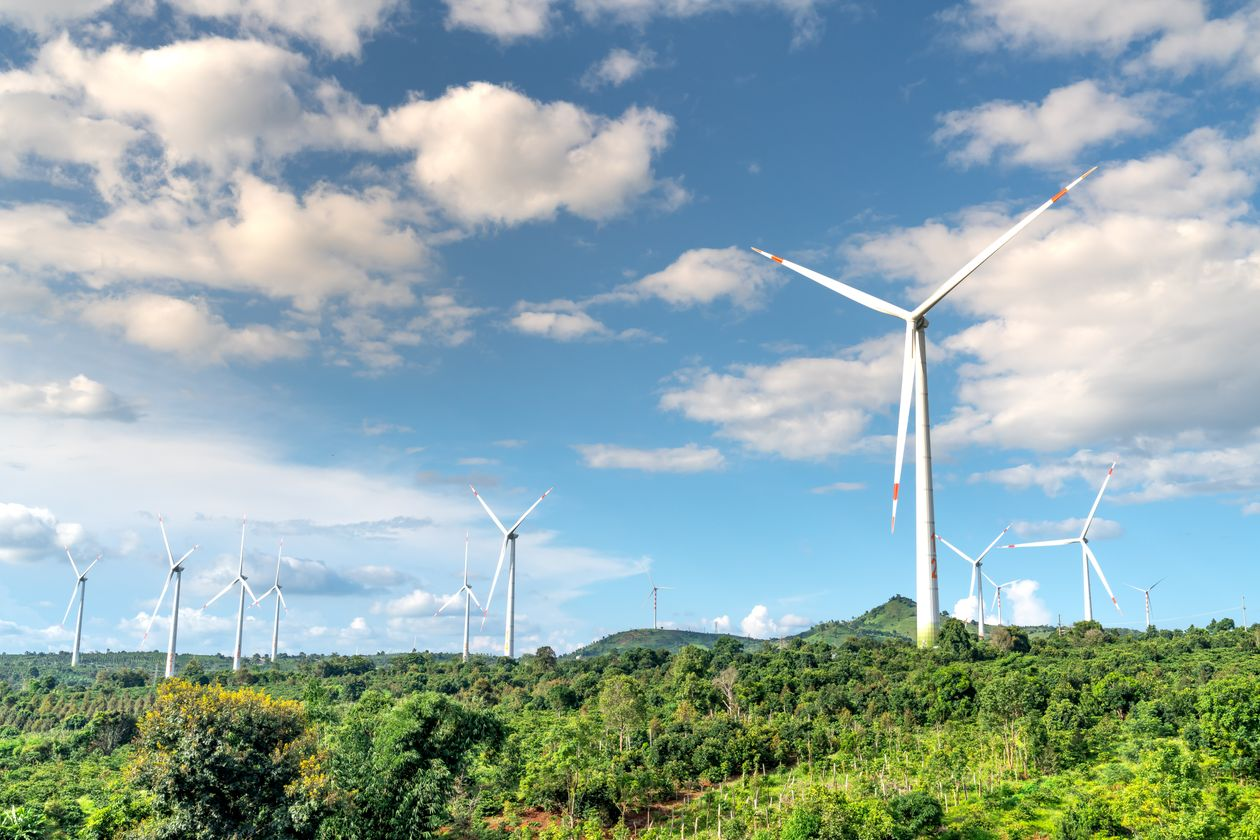
Nordex Group has secured an order from German renewable energy developer DenkerWulf for nine N149/5.X wind turbines at the Bredenbek wind farm in Schleswig-Holstein, providing a combined installed capacity of 51.3MW.
Each turbine will operate at a project-specific rating of 5.7MW and have a hub height of 105 metres. Installation is scheduled to begin in autumn 2027, with commissioning of the first machine planned for December of that year. The contract also includes a 20-year Premium Service arrangement covering the nine turbines.
The wind farm is being developed in the Rendsburg-Eckernförde district of northern Germany. It continues an existing commercial relationship between Nordex and DenkerWulf, which placed orders for more than 122MW of turbine capacity across three other wind farms in Schleswig-Holstein towards the end of 2025.
Bredenbek represents a separate development from those earlier contracts. Its 51.3MW rating corresponds to the combined nominal output of the nine newly ordered machines, rather than an increase in capacity at an existing DenkerWulf installation. Neither the contract value nor the project’s expected annual electricity production has been disclosed.
The selected N149/5.X turbine belongs to Nordex’s Delta4000 product range. It uses a rotor approximately 149.1 metres in diameter, providing a swept area of around 17,460 square metres. The turbine platform can operate at different rated outputs according to the technical and commercial requirements of individual projects.
The 5.7MW configuration selected for Bredenbek reflects the rating agreed for this installation. Electricity production will still vary according to wind speed, turbine availability, atmospheric conditions and the control settings applied to each machine.
Rotor dimensions influence the amount of wind energy available to the turbine. The blades sweep through an area of moving air, extracting mechanical energy through aerodynamic lift and transferring torque to the drivetrain. The available wind power changes substantially with wind speed, while turbine controls regulate how much energy can be converted within the machine’s operating limits.
The N149/5.X uses a high-speed gearbox and a doubly fed asynchronous generator. The gearbox transfers mechanical power from the rotor to the generator at a suitable rotational speed, while the generator and associated power electronics convert that mechanical input into electrical power.
The doubly fed generator arrangement allows variable-speed turbine operation using power electronic control of the generator rotor circuit. This differs from a system in which all generated electricity passes through a full-scale converter. The resulting controls provide a means of regulating generator torque and the electrical behaviour of the machine.
Variable-speed operation helps the turbine respond to changing wind conditions. At lower and moderate wind speeds, controls can adjust rotational speed and torque to manage aerodynamic performance. As wind speed increases, the machine approaches its rated output, at which point other control functions become increasingly important for limiting mechanical loads and electrical power.
Blade pitch is one of those functions. By changing the angle of the rotor blades relative to the incoming wind, the control system can regulate aerodynamic forces and limit power extraction. Pitch control also contributes to stopping the turbine and protecting the equipment during operating conditions outside its permitted range.
At Bredenbek, the specified hub height of 105 metres is a project characteristic rather than the maximum available height of the N149/5.X platform. Tower selection must accommodate site conditions, turbine loading, transport requirements and the dimensions permitted for the development.
Once installed, each turbine will need to be connected to the wind farm’s internal electrical collection network. Transformers raise voltage for transfer through the collection circuits, with electricity eventually passing through the site’s connection infrastructure into the wider network. Nordex has not disclosed the detailed connection voltage, transformer configuration or collection system design for Bredenbek.
The electrical installation must be capable of managing the combined output of the generating units while maintaining appropriate protection and control functions. Turbine controls, switchgear, protection relays and supervisory systems need to operate within the requirements established by the grid connection agreement.
Commissioning will involve verification of the mechanical and electrical systems, including turbine operation, power conversion, protection settings and communication with the wind farm control system. Compliance with applicable grid requirements must also be demonstrated before the machines can enter normal electricity generation.
The planned December 2027 milestone concerns commissioning of the first turbine. The announcement does not specify when all nine machines will have completed installation, testing and acceptance, so that date should not be treated as confirmation of full 51.3MW project operation.
Nordex’s 20-year service contract extends the equipment relationship beyond delivery and commissioning. Wind turbine maintenance covers inspections, planned servicing, the monitoring of mechanical and electrical components, and interventions when equipment faults or deterioration require attention.
Condition monitoring can help maintenance teams identify abnormal operating characteristics before equipment fails. Depending on the installed systems, vibration, temperature, electrical and operational measurements can support the assessment of component condition and decisions about inspection or replacement.
The service arrangement will be important to maintaining generating availability across the wind farm’s operating life. Turbine output depends on both the wind resource and the proportion of time the equipment remains available to generate electricity. The company has not disclosed the project-specific availability guarantees or other detailed commercial terms of the service agreement.
DenkerWulf’s additional order follows the three Schleswig-Holstein projects contracted with Nordex in late 2025. The companies have not identified Bredenbek as a replacement for those developments, making the 51.3MW order an additional commitment within their continuing regional wind programme.
Delivery will now progress towards the planned installation period in autumn 2027. The first turbine is scheduled for commissioning in December, with the remaining machines requiring their own installation and electrical testing before the complete Bredenbek generating capacity becomes operational.