IN Brief:
- Amprion and GIGA Storage signed the Albatross grid connection agreement on 14 October 2026.
- The planned battery has ratings of 350 MW and 1,400 MWh and is intended to connect at 380 kV.
- The project reached Ready to Build status earlier in October, but commissioning remains targeted for 2028.
GIGA StorageAmprion and have signed a grid connection agreement for the proposed Albatross battery energy storage system in Lower Saxony, Germany. The planned installation is rated at 350 MW of power and 1,400 MWh of energy capacity and is intended to connect directly to Amprion’s 380 kV transmission network.
The companies signed the agreement on 14 October 2026 at GIGA Storage’s office in Dortmund. Albatross will be developed near Neuenkirchen beside Amprion’s Merzen substation, with commissioning currently planned for 2028. The agreement is a milestone in securing the network interface, not evidence that construction or energisation has been completed.
GIGA Storage describes Albatross as its first utility-scale battery project in Germany. The development had reached Ready to Build status earlier in October, a project development milestone that should be distinguished from actual physical construction, completion of electrical works and formal operation.
Amprion describes the signing as its first grid connection agreement for a large-scale battery storage project. That is a statement about the transmission operator’s agreement history, not evidence that Albatross is the first large battery to be built or connected anywhere in Germany.
The project’s 350 MW rating defines its nominal power capability, whereas its 1,400 MWh capacity describes the amount of energy planned to be stored. The ratio gives a nominal four-hour duration at full rated power before conversion losses, usable energy restrictions and operating limitations are taken into account.
An energy rating cannot establish continuous power delivery on its own. Likewise, a power rating does not indicate how long an installation can discharge without recharging. Both quantities are needed to characterise the basic capability of a large battery facility.
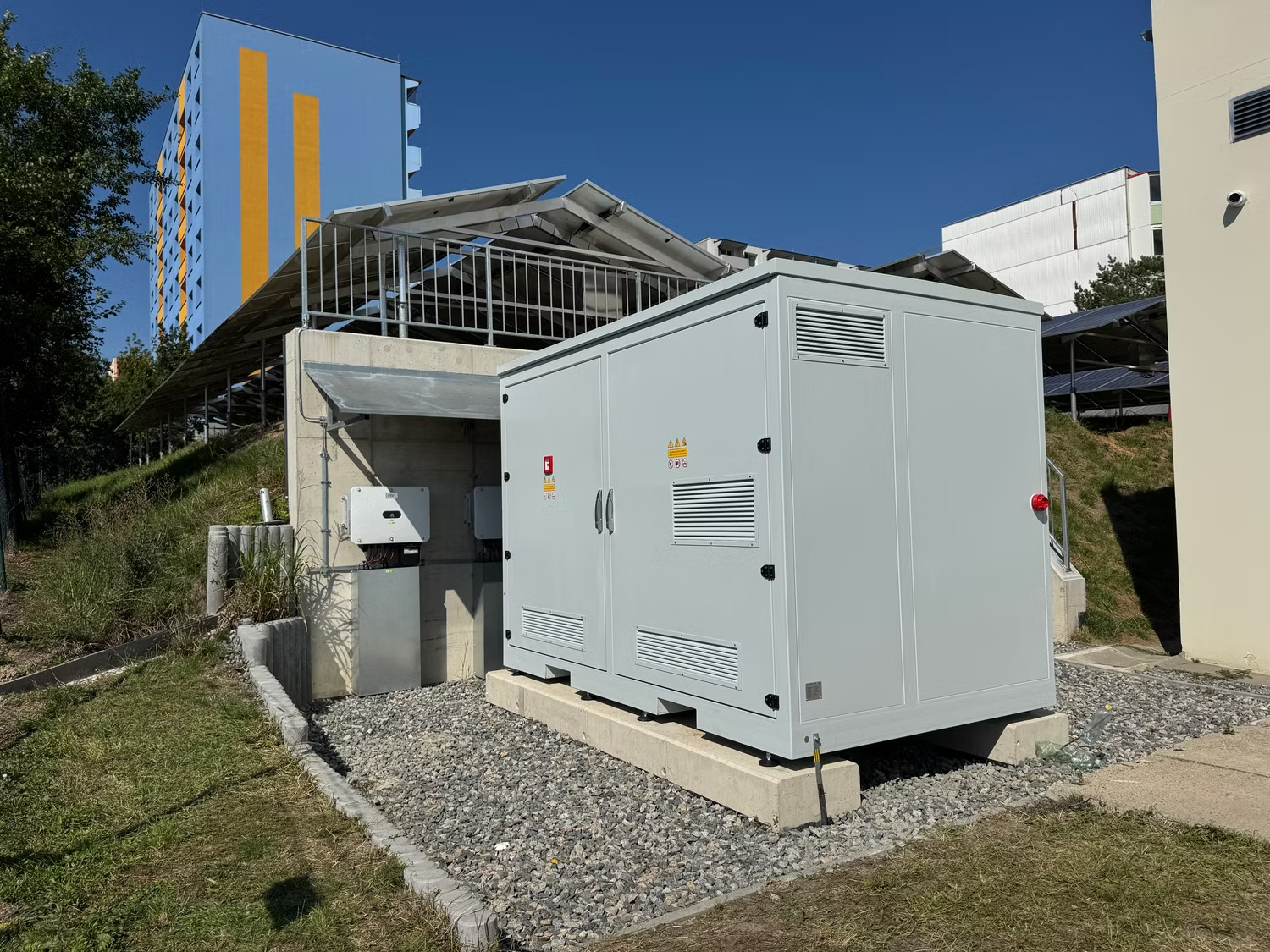
GIGA Storage’s earlier project information refers to 264 battery units at the site. That figure forms part of the published design-stage description and should not be treated as an independently verified count of installed equipment, because the October signing precedes the reported 2028 commissioning target.
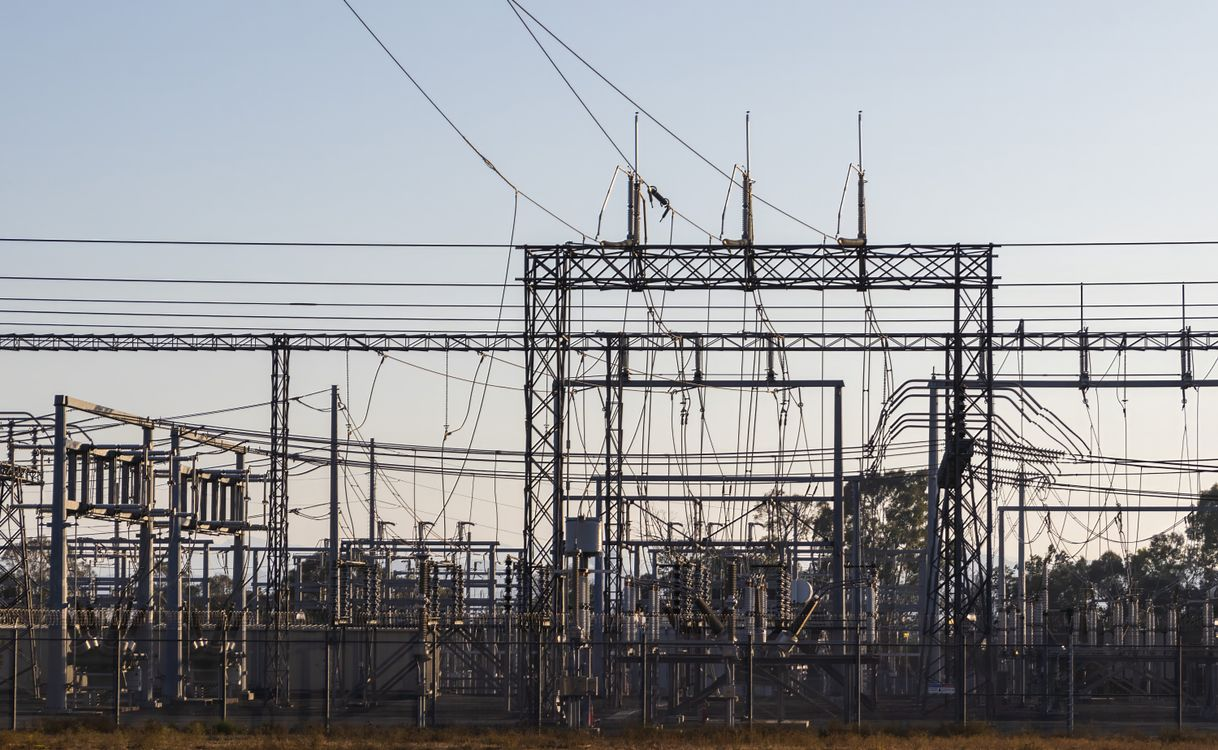
The location next to an existing 380 kV substation creates a defined point at which the proposed storage facility can interface with the transmission network. The engineering work must still provide the necessary power conversion, step-up transformation, switching, protection and metering arrangements compatible with the agreed connection.
Battery units operate internally with direct current. Bidirectional inverters convert electrical energy between the battery system and the alternating current network, while transformers raise the voltage to the levels required for the wider electrical infrastructure.
During charging, the installation draws electricity from the network. When discharging, it returns electrical power, subject to the connection limits, battery state of charge, available capacity and control instructions. Protection equipment must recognise abnormal conditions during both directions of power flow.
Large storage installations connected at transmission voltage can materially change the distribution of electrical power flows at the local connection point. The project must therefore be assessed against network requirements for voltage behaviour, fault performance, operational coordination and the capacity permitted under the connection agreement.
Grid connection agreements establish essential responsibilities and conditions between developers and network operators. Their execution does not mean that the physical connection has already been constructed or that every technical test and permission required for operation has been satisfied.
Albatross is intended to absorb electricity when it is available and return it at other times. This capability can help accommodate variability in renewable energy generation, although the precise system value depends on charging opportunities, market arrangements, dispatch instructions and network constraints.
A battery shifts energy rather than generating it. Conversion and storage losses mean that it will supply less electrical energy during discharge than it consumed when charging, while the need to maintain suitable reserves may further limit the amount available for unrestricted dispatch.
The project may participate in energy trading and grid-related services where permitted, but the agreement announcement does not demonstrate that any such service has already been provided. Revenue projections or claimed savings also cannot be inferred from its nominal capacity alone.
GIGA Storage has described the development as a contribution to network flexibility. Establishing actual performance will require completion of equipment installation, commissioning and subsequent measurement of charge and discharge operations under real market conditions.
The 2028 target remains prospective. Construction and connection works, testing, regulatory requirements and final acceptance procedures all stand between the signing of the agreement and routine storage operation.
The Albatross agreement marks progress on a major storage development and a new large-battery connection for Amprion. The confirmed news is the signed 380 kV connection agreement; the proposed 350 MW/1,400 MWh facility remains a project moving towards construction and eventual commissioning.