
Energy
—
-
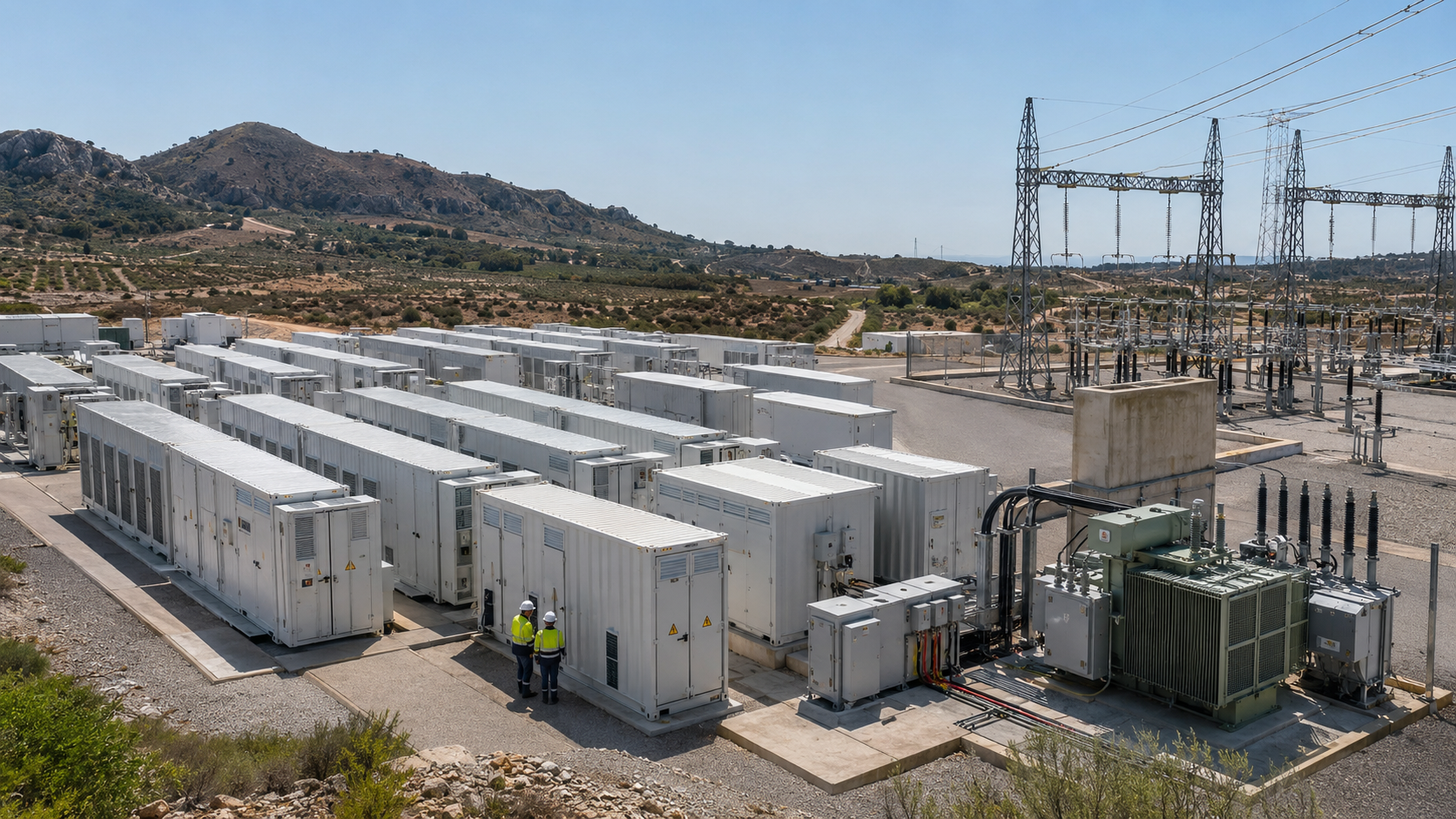
BW ESS has acquired two large Spanish battery storage projects. The 126MW portfolio could provide up to 675MWh and is targeted for commercial operation during 2028.
-
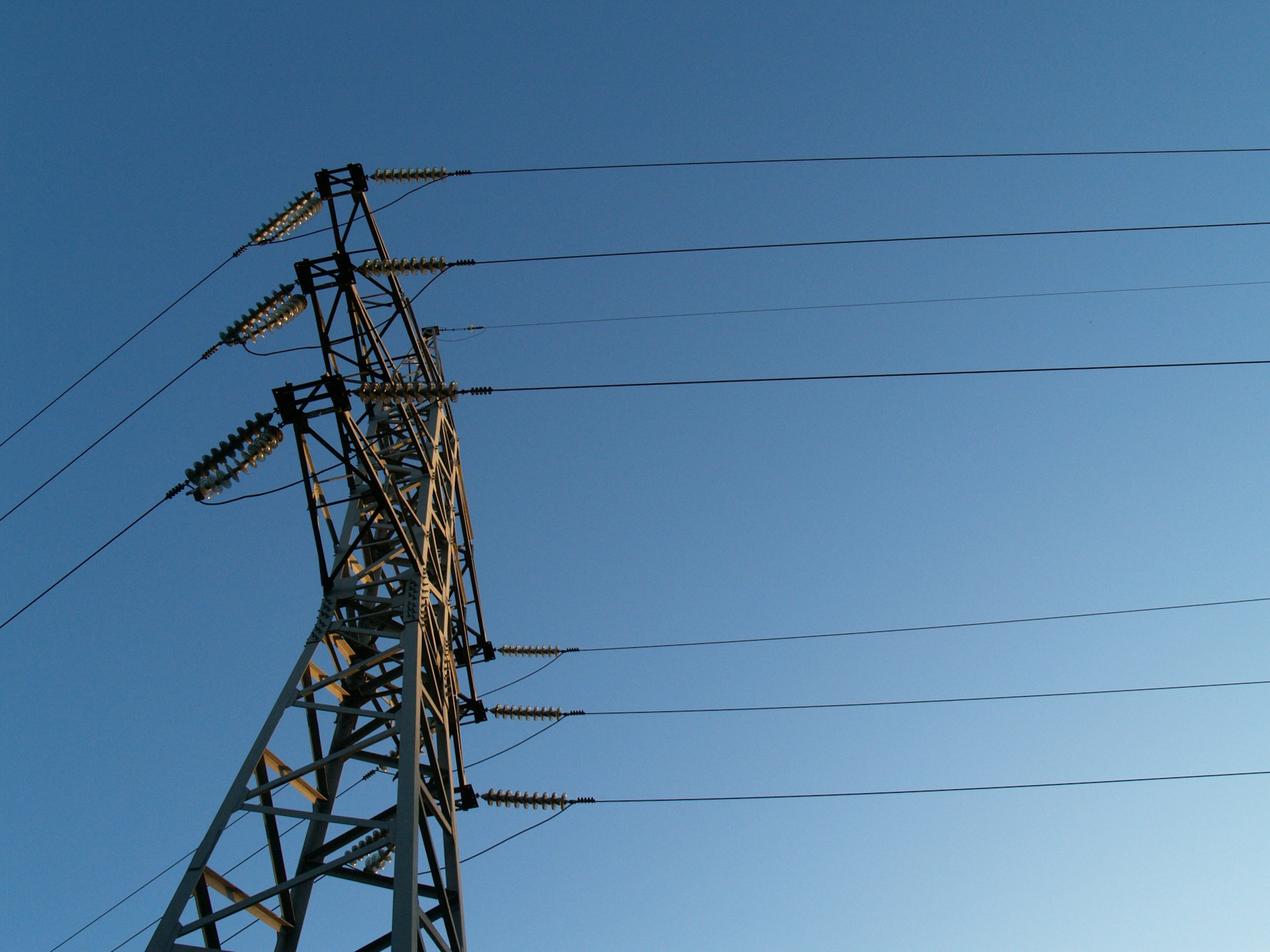
Germany has secured EU approval for its capacity mechanism framework. Competitive auctions will procure generation, storage, demand response, and cross-border capacity from 2031.
-
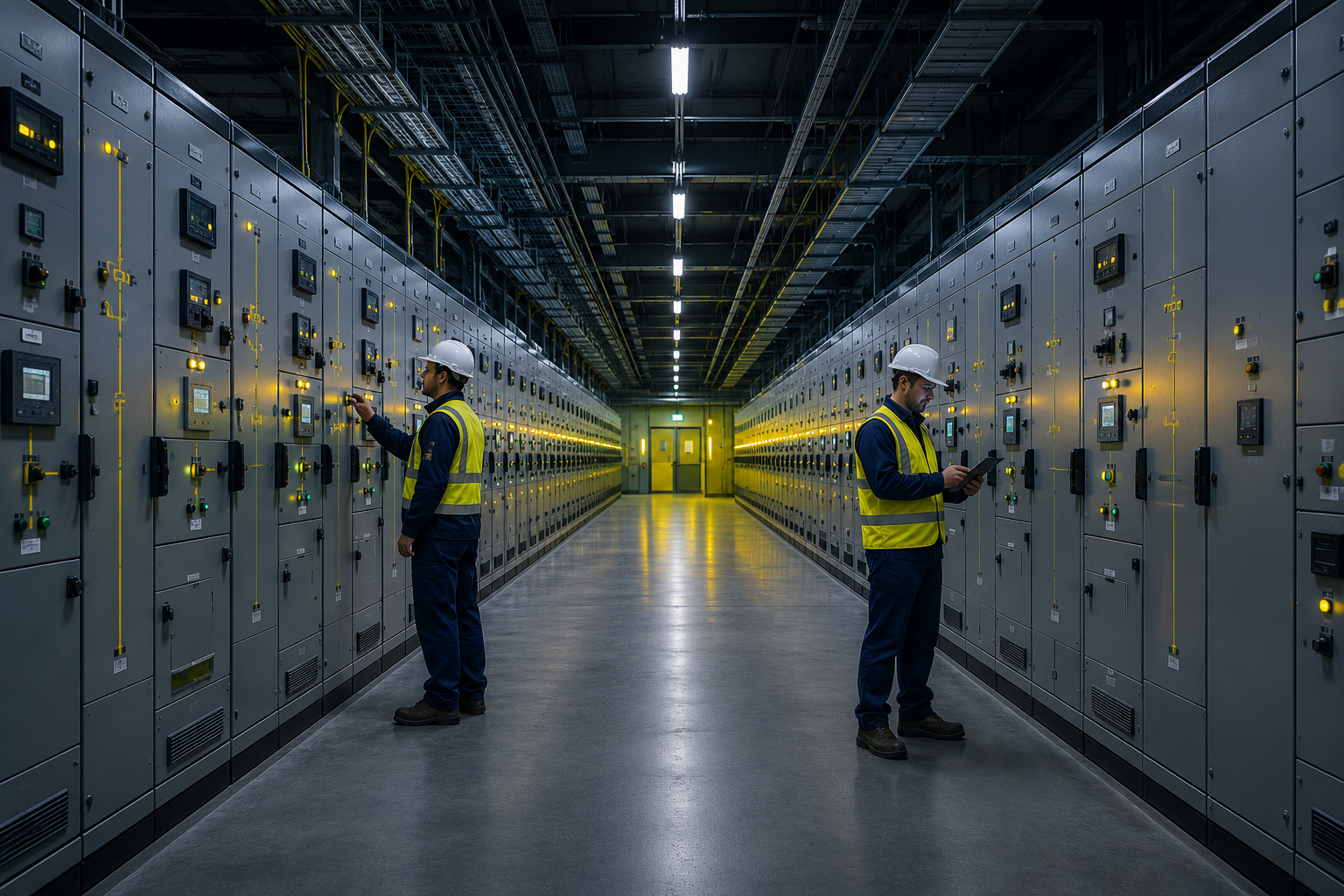
Quantum Data Energy has completed construction at its Hindlip plant. The 7.5MW flexible generation asset is energised, G99 compliant, and approaching commercial operation.
-
Ofgem has opened its assessment of National Grid’s Sea Link. The proposed 2GW HVDC reinforcement would connect transmission infrastructure in Suffolk and Kent.
-
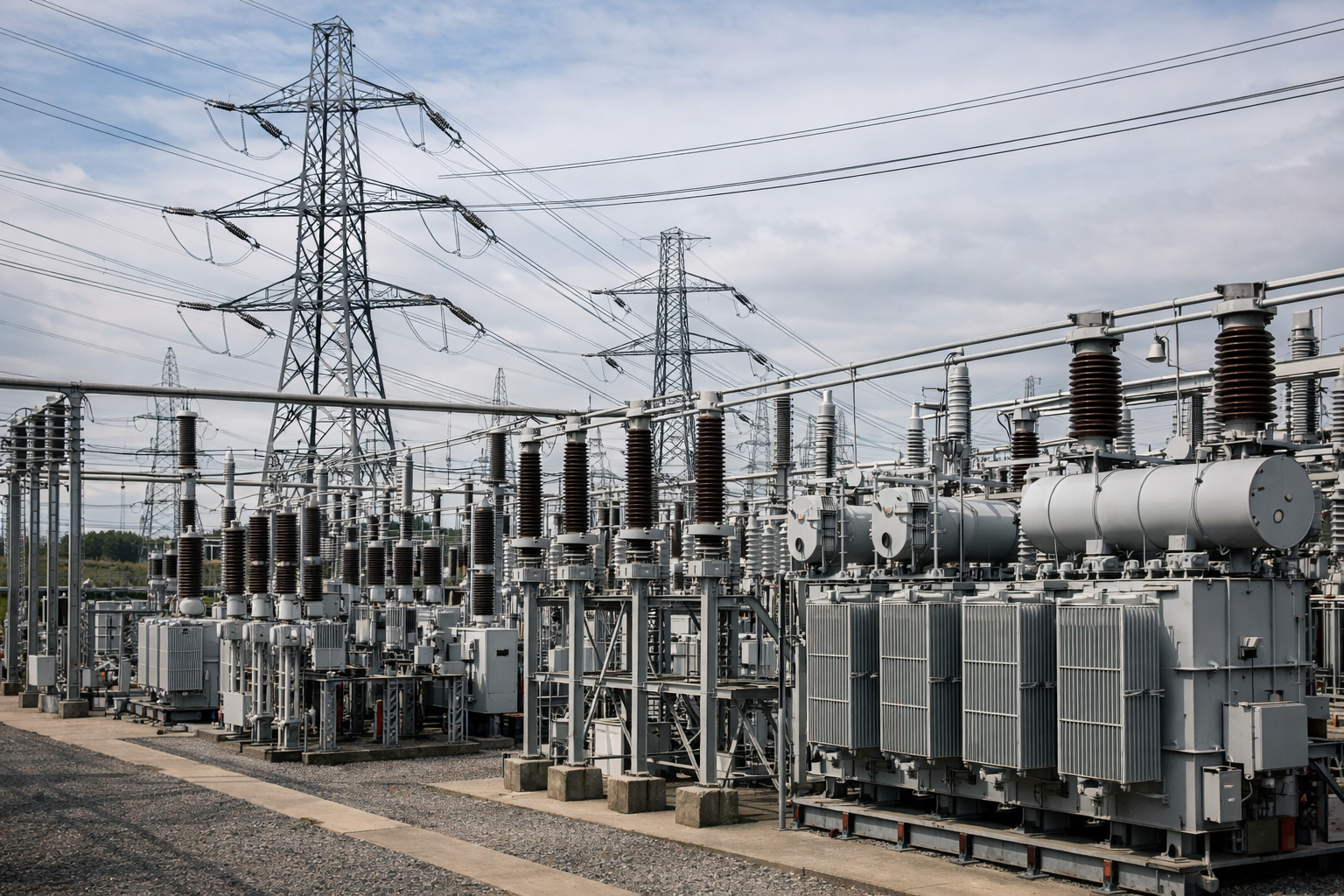
Capalo AI will commercially optimise Lithuania’s 168MWh Raseiniai battery project. The three-hour system will participate across wholesale and balancing markets following commissioning.
-
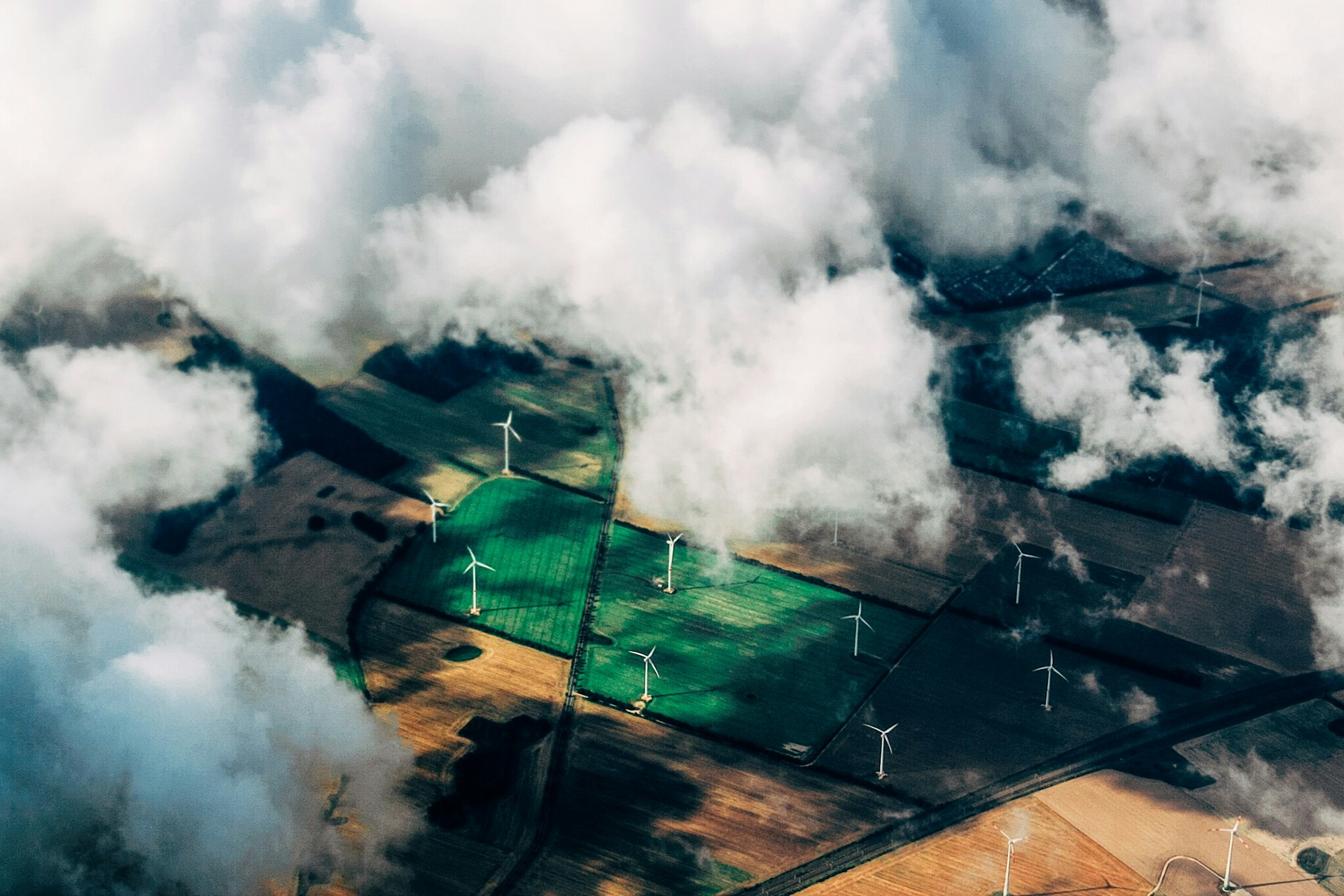
Europe installed 8,800MW of new wind capacity during H1 2026. Germany led additions, while offshore connections increased and future permitting remains uneven.
-
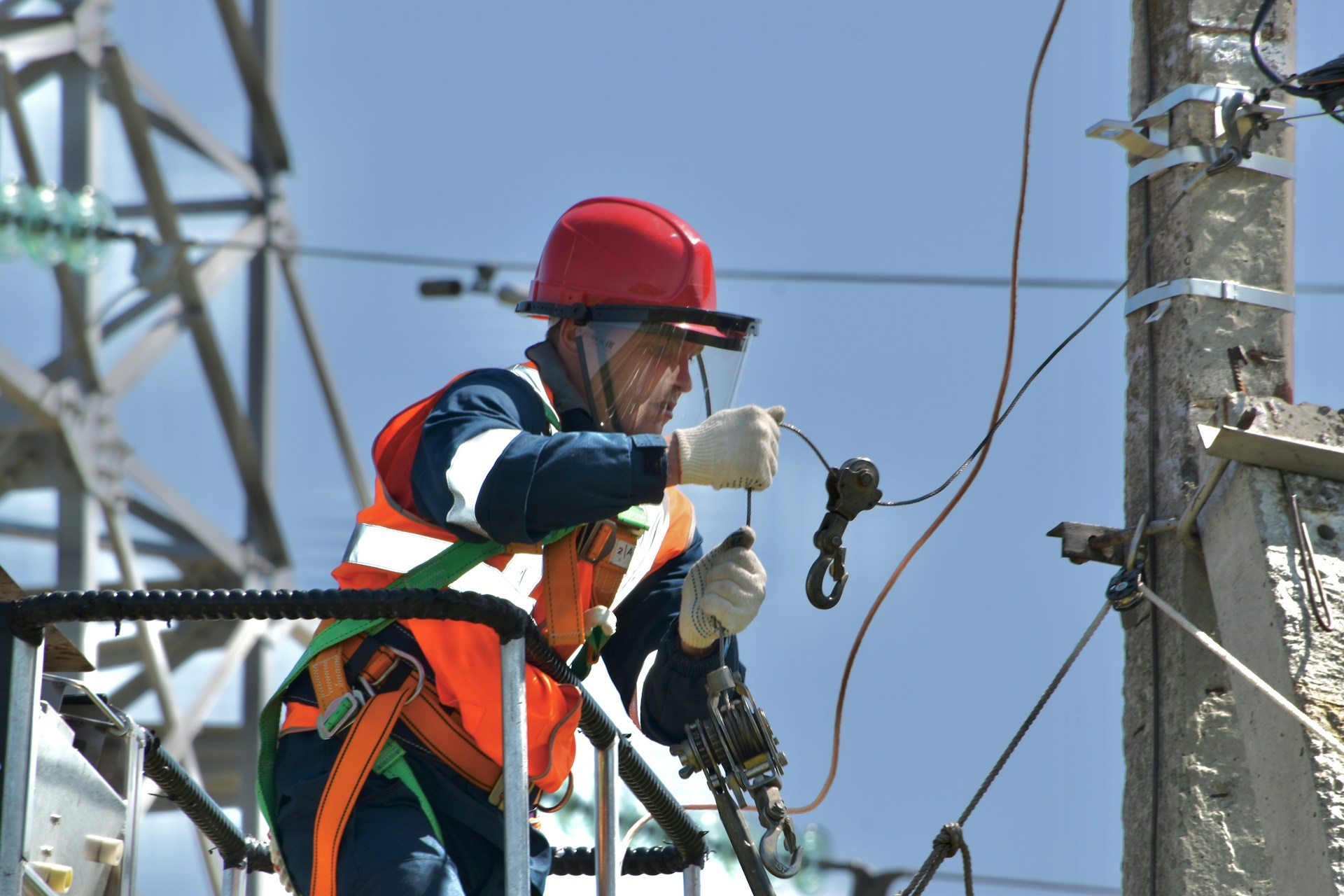
HOCHTIEF is acquiring Autmatec to expand its German transmission capabilities. The specialist brings overhead-line construction, refurbishment, maintenance, and project-management expertise.
-
LEAG has started construction of Boxberg’s 1,600MWh battery storage project. The 400MW system will use LFP cells and connect through new 380kV switchgear.
-
ePointZero will acquire a controlling 90% stake in Azura Power. The transaction provides exposure to 752MW of operating African generation and a development pipeline exceeding 1.5GW across gas, renewables, and battery storage.
-
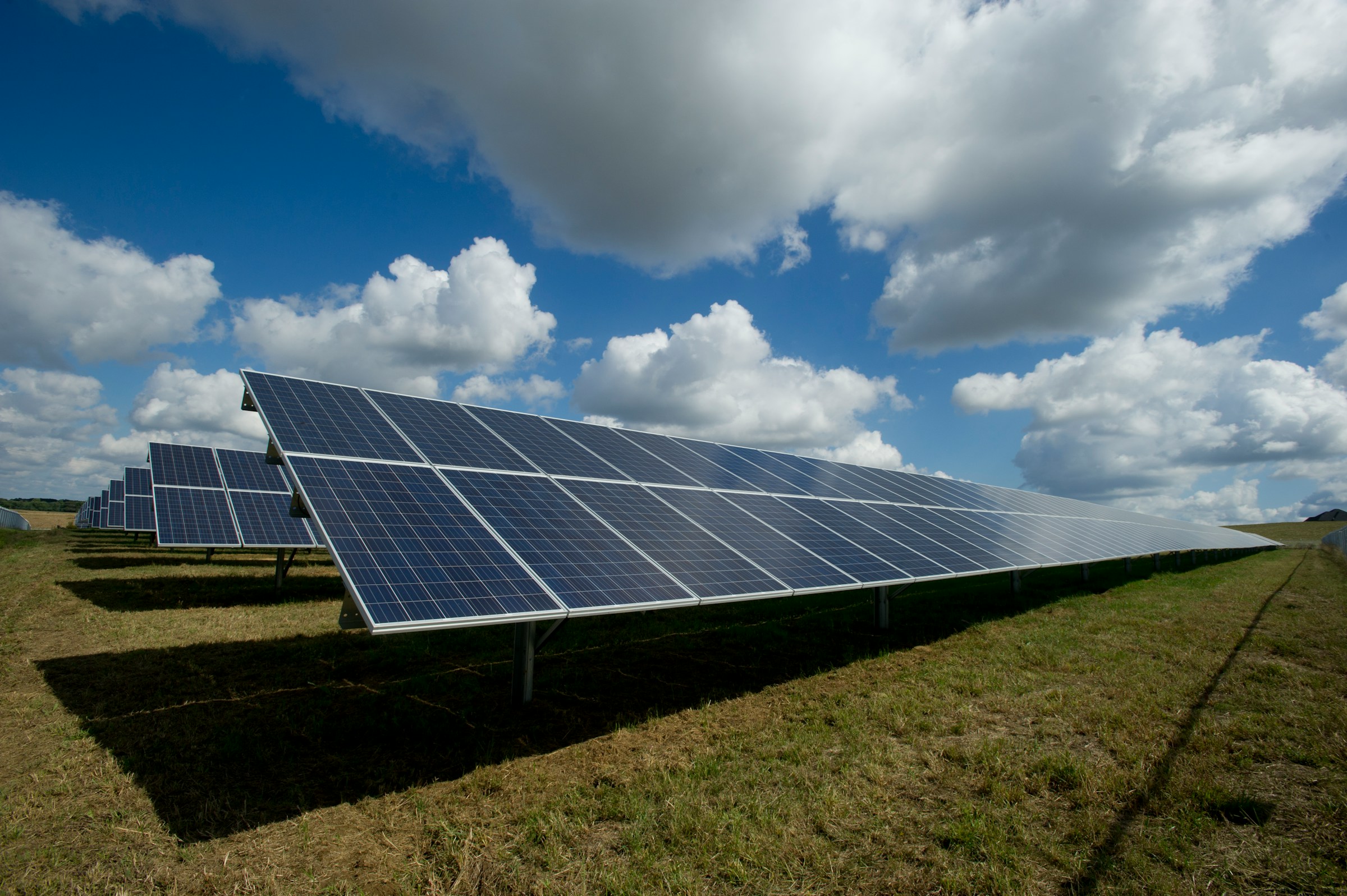
Tata Power has commissioned its new 100MW captive solar project. The Tamil Nadu installation uses 261,660 bifacial modules and terrain-following single-axis tracking while supplying manufacturing and infrastructure businesses through a 400kV grid connection.