
Energy
—
-
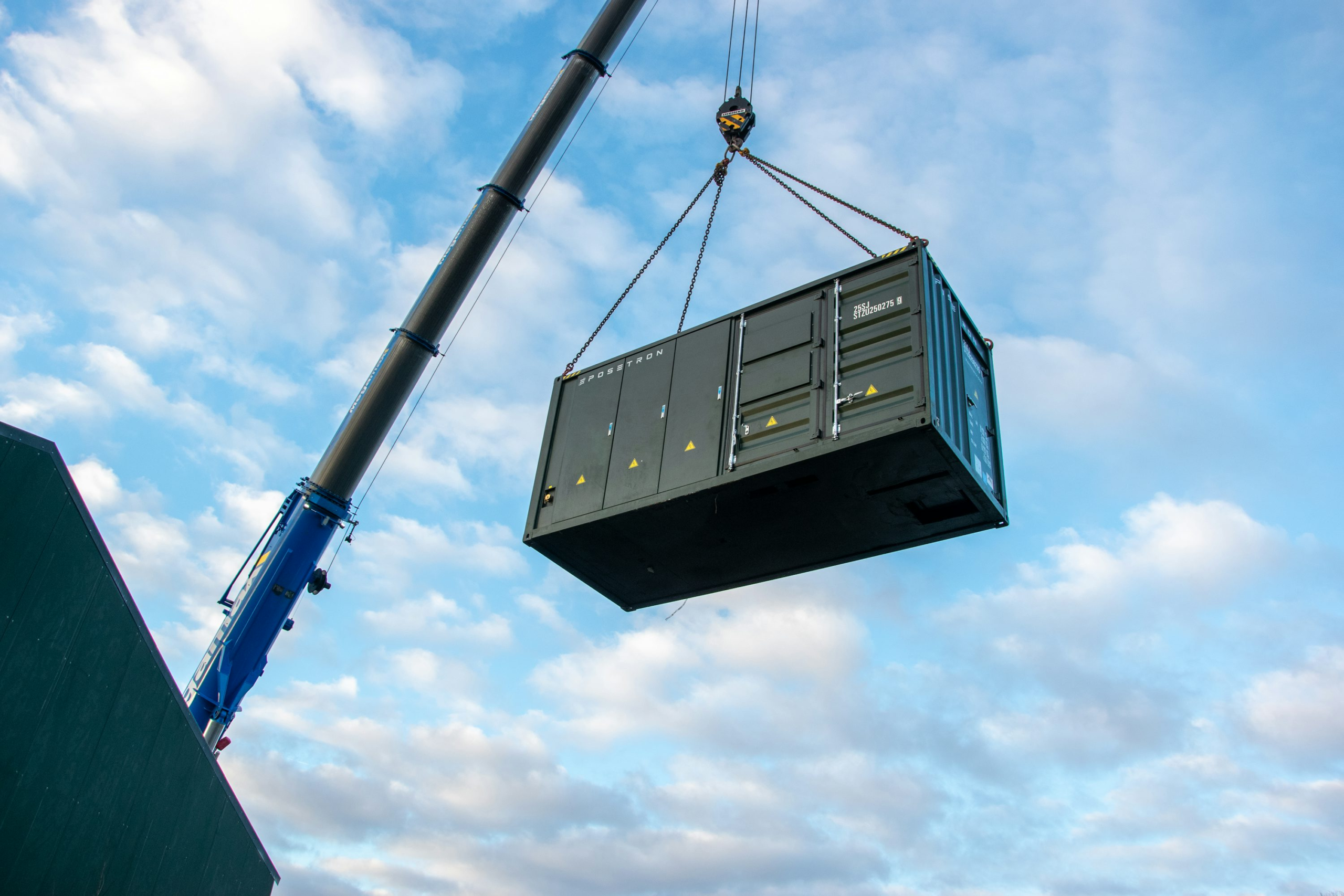
Certain Energy has raised £10 million for manganese battery commercialisation. The Imperial College spinout plans a grid-connected MWh-scale project in India, expanded UK research facilities, and a supply chain for repeatable long-duration storage deployment.
-
Harmony Energy has successfully energised its 70MWh Skeeby battery project. The 35MW Tesla Megapack installation near Richmond is now preparing for commercial operation following completion of its grid connection.
-
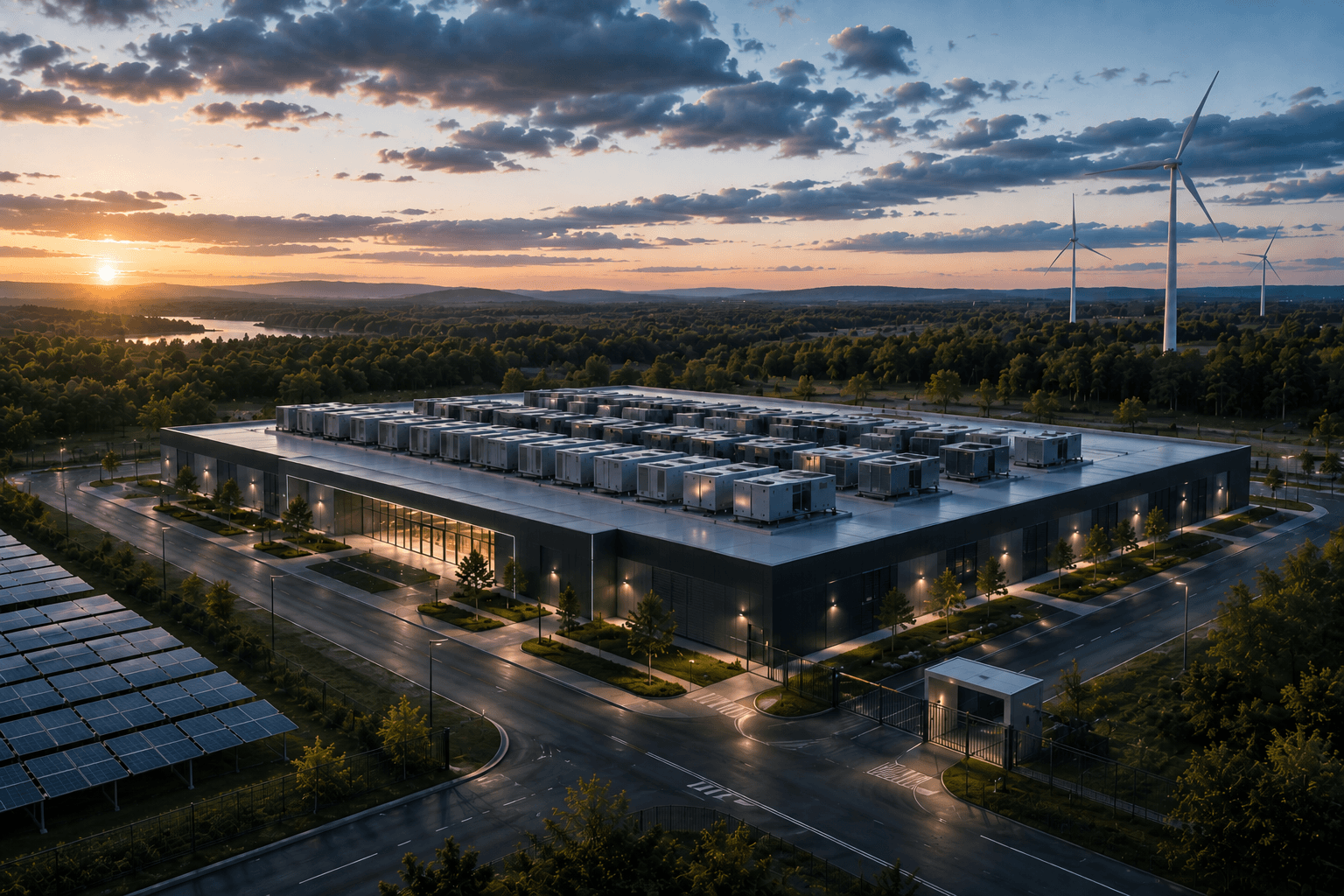
FlexPower has launched renewable electricity supply for German data centres. Customers can combine fixed-price contracts, short-term market procurement, and physical or virtual battery products as power requirements grow.
-
ELESELA has closed financing for its standalone Klaipėda battery project. The 20MWh Lithuanian scheme uses non-recourse funding from Artea Bank, with ZOE appointed to supply, install, and commission the storage system.
-
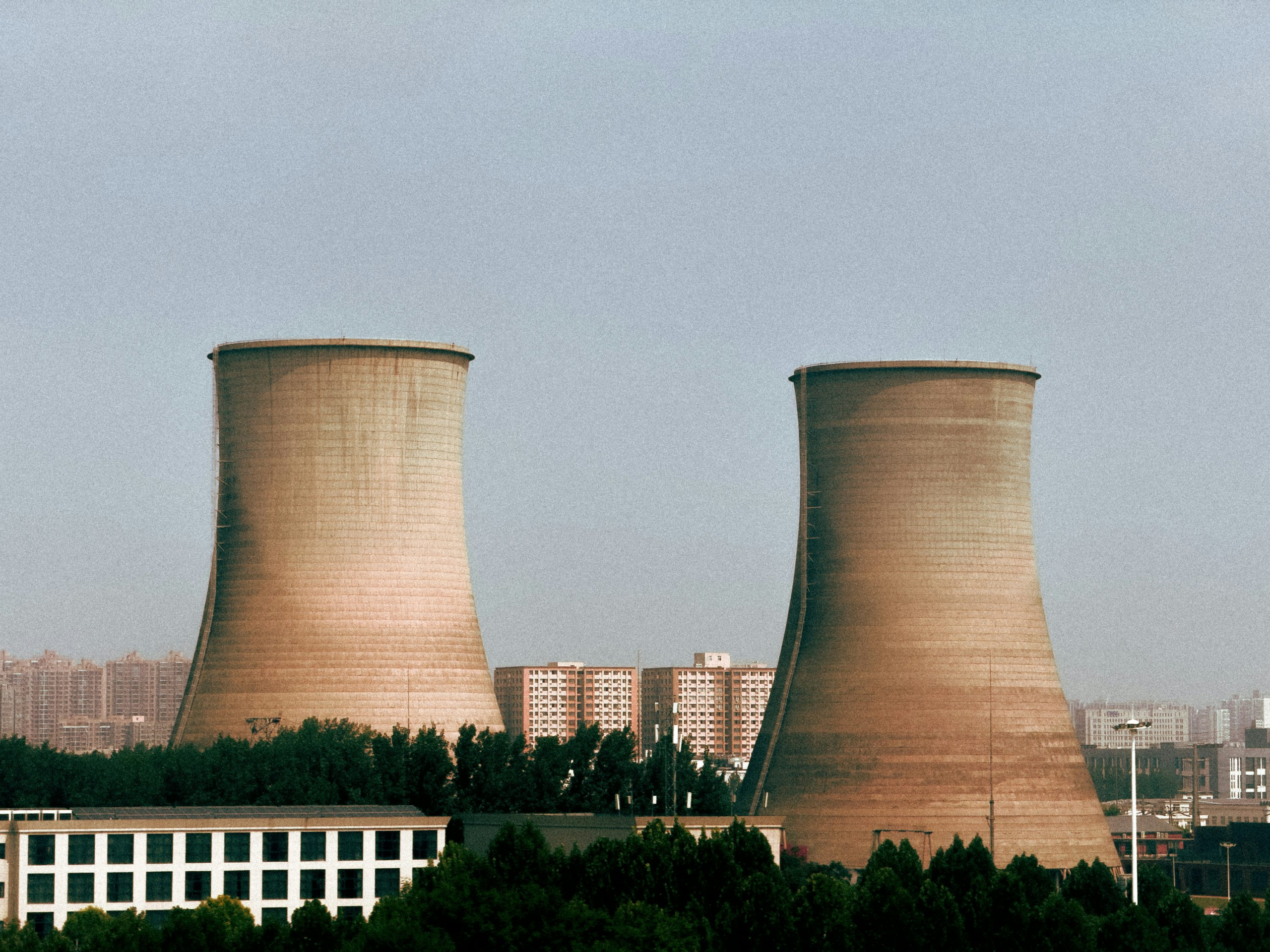
Blykalla has proposed a second Swedish advanced nuclear reactor park. The Tierp development could provide 440MW from eight 55MWe lead-cooled SEALER units during the 2030s.
-
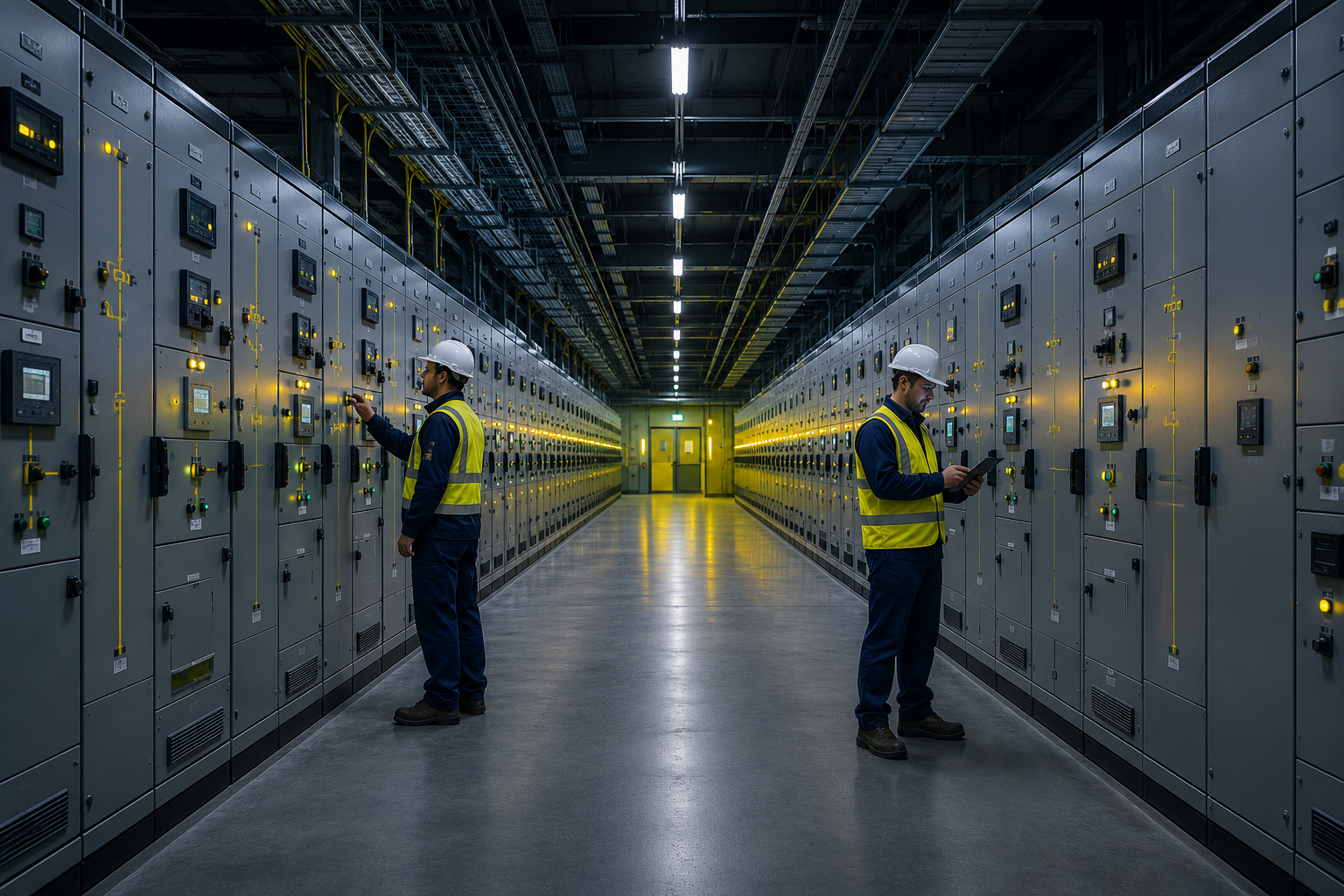
Romania has formalised payments for voluntary electricity demand reduction services. Eligible consumers, suppliers, and aggregators can offer dispatchable load reductions through a regulated system-service mechanism.
-
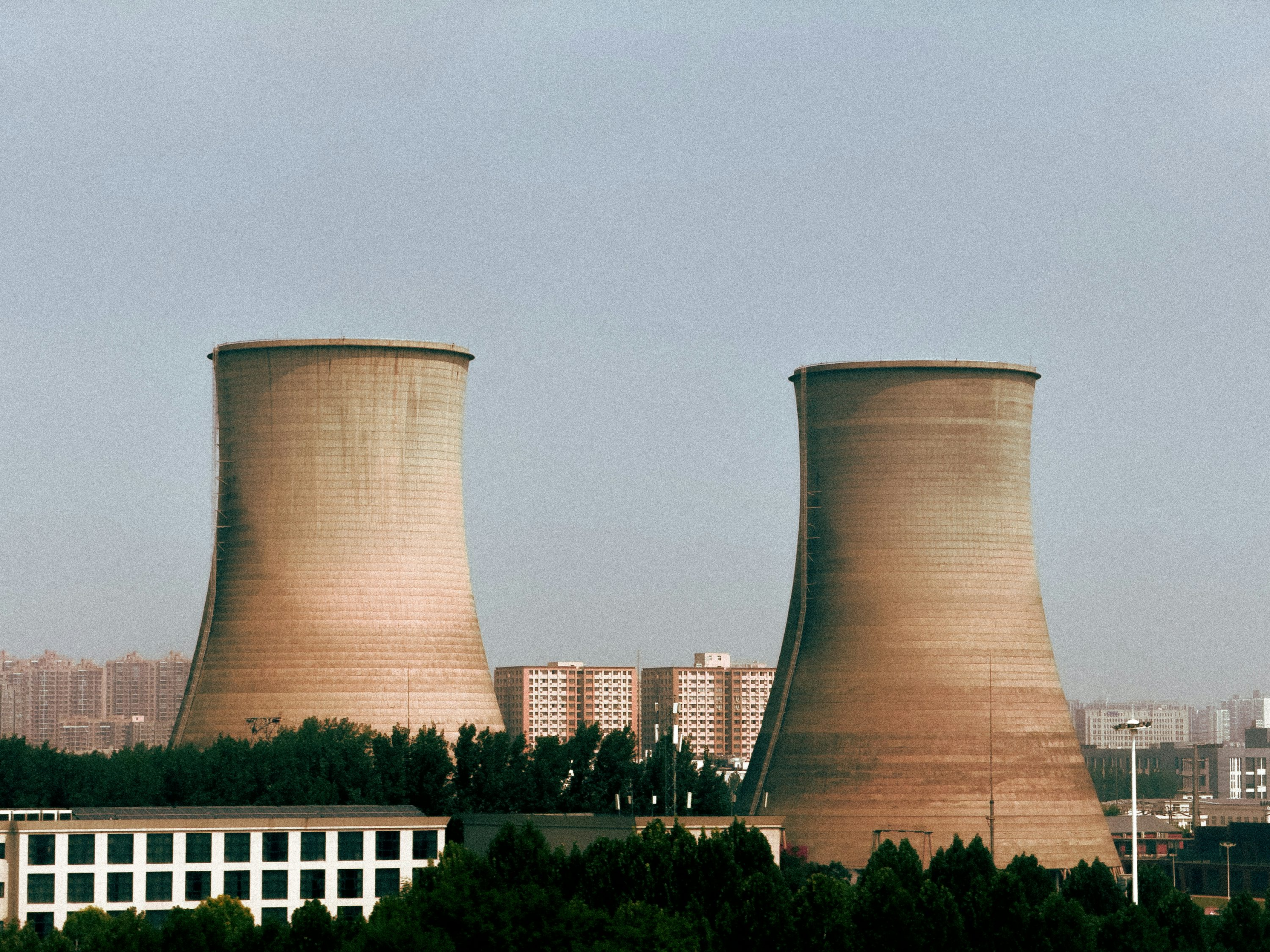
The Netherlands has awarded FEED contracts for two nuclear plants. EDF and Westinghouse will test reactor designs against Dutch requirements before later procurement.
-
European corporate PPA prices rose across key markets during July. Pexapark’s European composite increased 2.3% to €45/MWh, while nine battery agreements represented around 865MW and 3.1GWh of contracted storage.
-
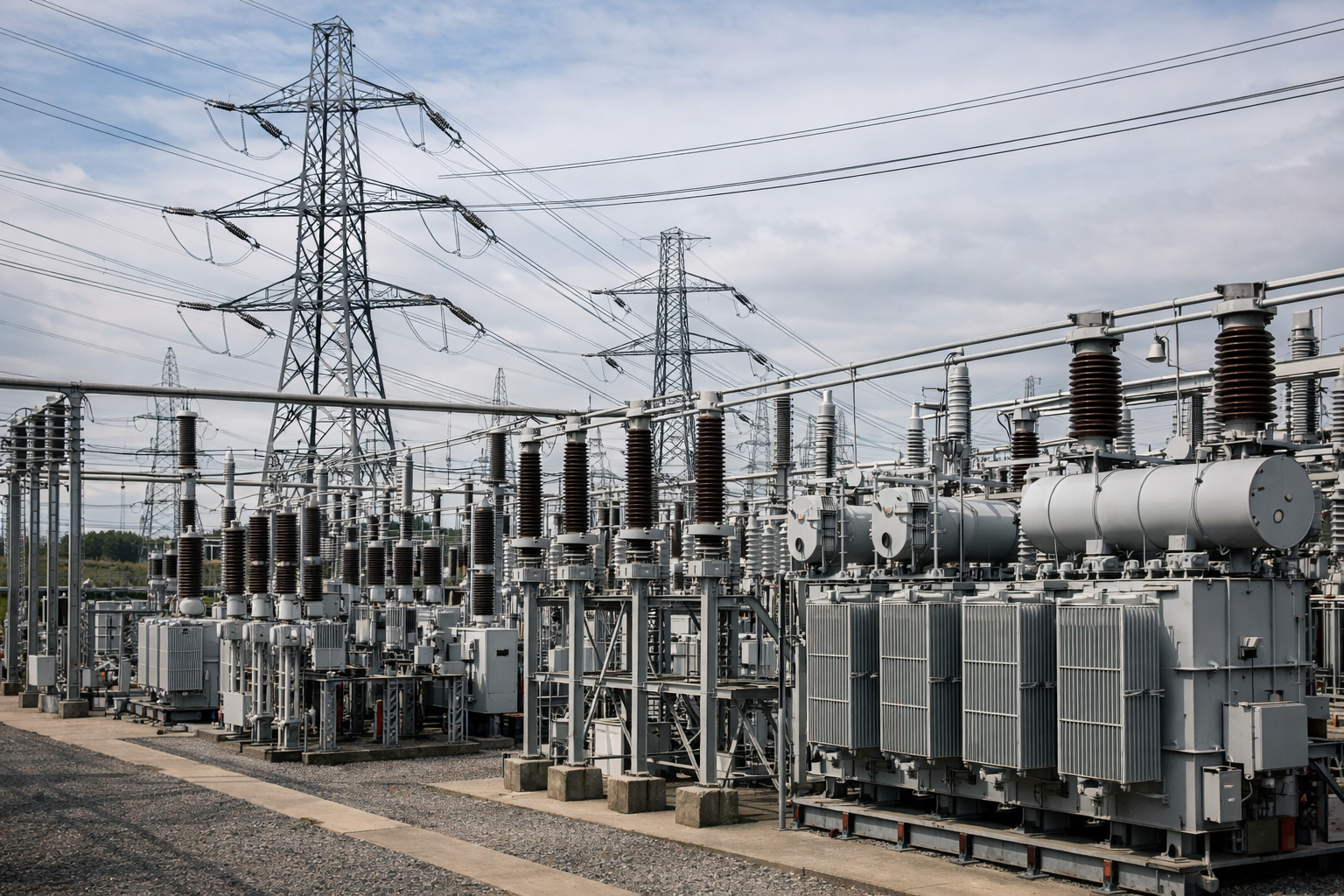
National Grid has secured planning approval for three 400kV substations. The projects enable transmission circuits from South Yorkshire to Nottinghamshire to be uprated from 275kV operation.
-
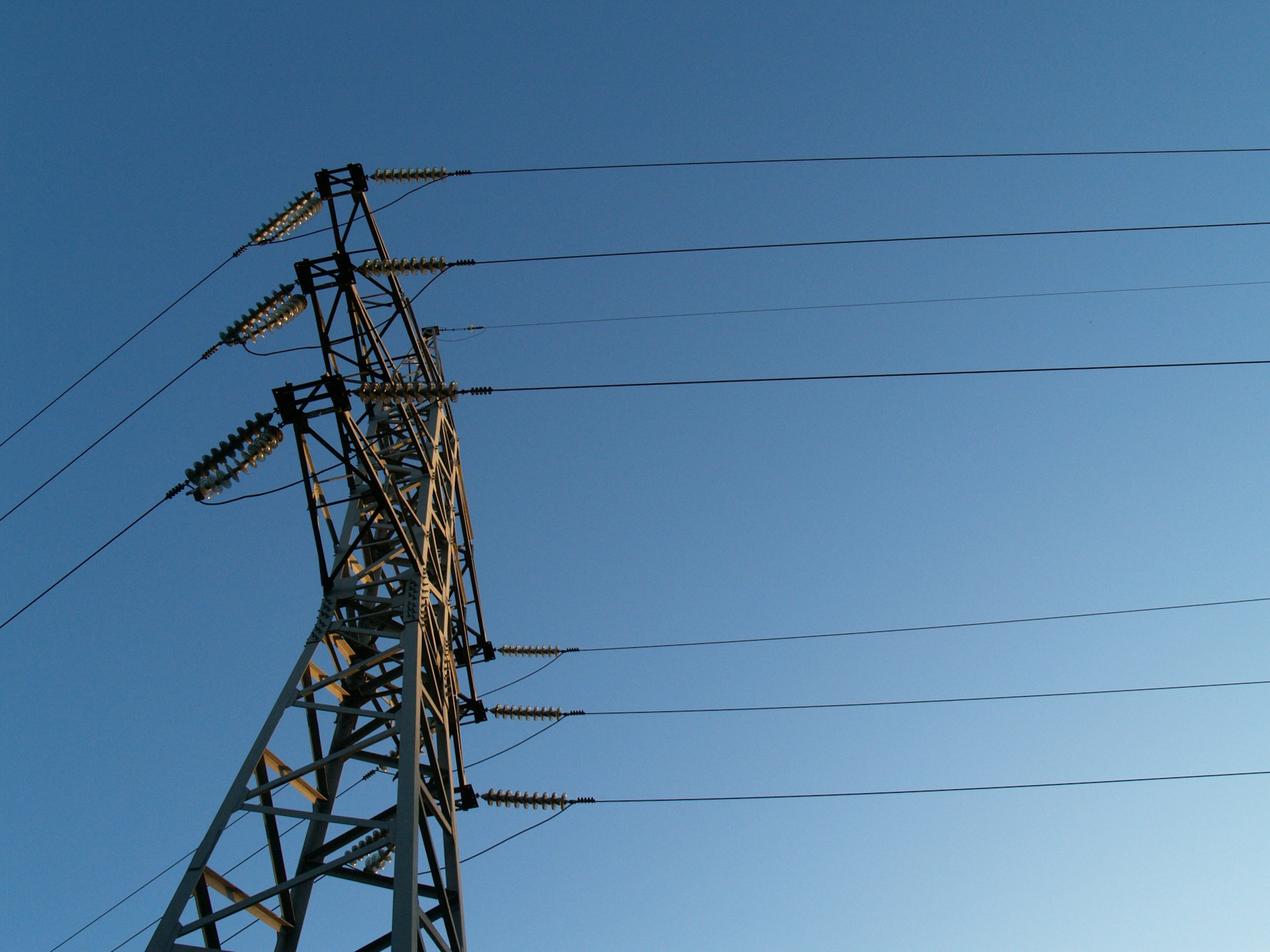
TenneT Germany has priced a €2.6bn green hybrid bond transaction. The dual-tranche issue supports a transmission investment programme of around €67bn between 2026 and 2030.