
IN Brief:
- European Energy has inaugurated the 148MWp Tārgale Solar Park in Latvia.
- The project has a 110MW grid connection point and is expected to generate 154,550MWh annually.
- The development is backed by a 110MW corporate PPA with Apple and is co-owned with Sampension.
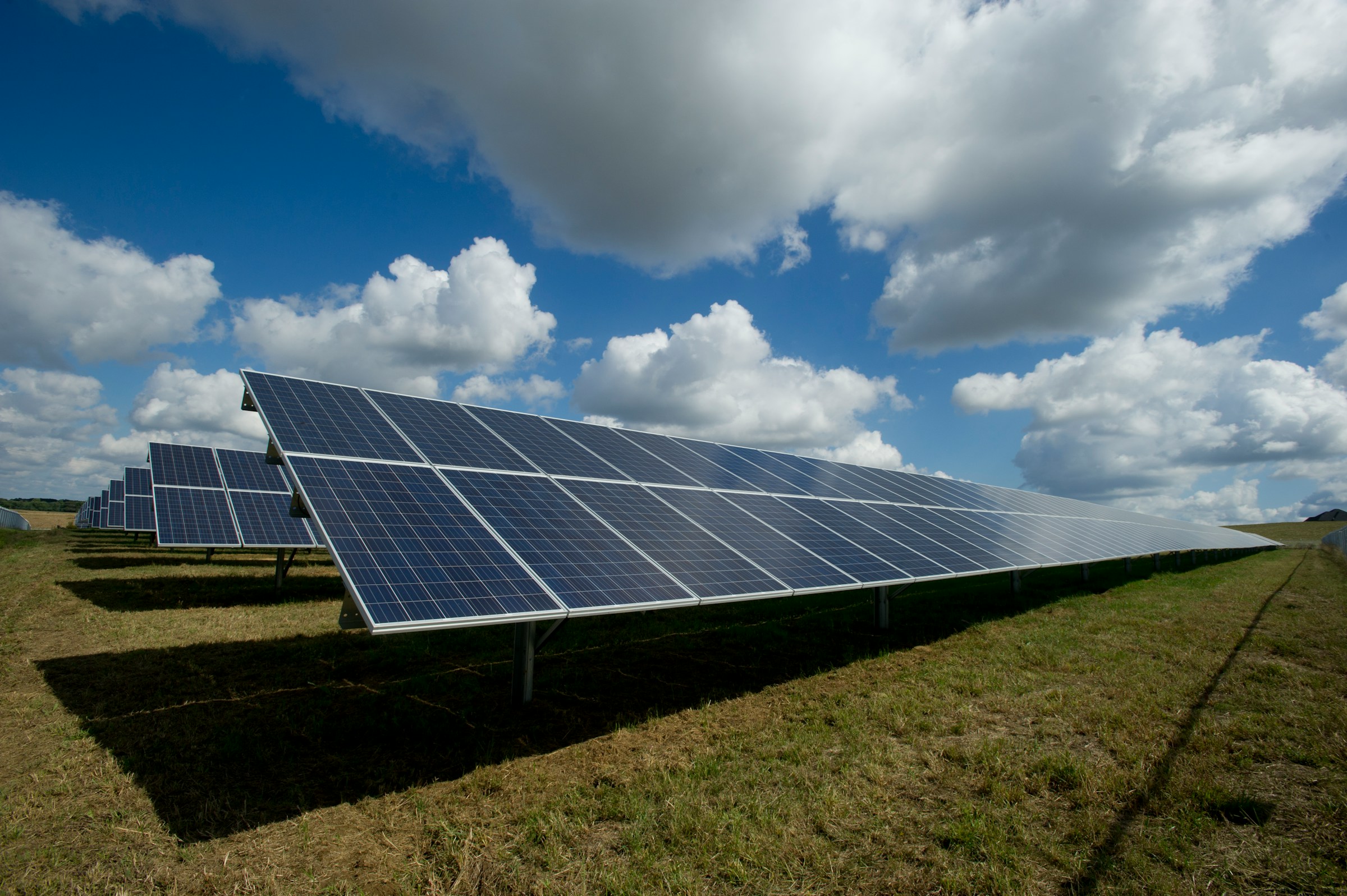
European Energy has inaugurated the 148MWp Tārgale Solar Park in Ventspils Municipality, marking its first completed and fully grid-connected renewable energy project in Latvia.
The project has an installed capacity of 148MWp and a 110MW grid connection point. It covers 138 hectares and is expected to generate approximately 154,550MWh of electricity each year. Total investment is €80m, with Danish pension fund Sampension owning 50% of the solar park.
The scheme is supported by a 110MW corporate power purchase agreement with Apple. European Energy has described the agreement as one of the first corporate PPAs signed in Latvia and the largest corporate PPA from a single power plant in the Baltic countries. The project therefore combines utility-scale renewable generation, long-term offtake, grid connection, and institutional capital in a market still expanding its solar base.
Latvia has historically relied more heavily on hydro generation and regional power trading than large domestic solar deployment. Tārgale changes that profile by demonstrating that larger solar projects can move through development, financing, construction, and grid connection in the Baltic market.
The development has also included environmental and social assessment work covering biodiversity, hydrology, landscape considerations, and local-community effects. European Energy has established the Ventspils Social Foundation in connection with the project, with €50,000 allocated in 2026 to local initiatives including youth sport, community events, and education.
The grid connection defines much of the project’s operational value. Installed DC capacity of 148MWp against an AC grid connection of 110MW reflects a common utility-scale solar design approach, where the DC side is oversized relative to export capacity. That configuration can increase utilisation of the connection, improve output during lower-irradiance periods, and reduce the number of hours when the site operates well below its export limit.
Grid connections are becoming a scarce and expensive part of renewable project development. Developers are therefore seeking more value from each available connection point through DC oversizing, storage co-location, hybridisation, forecasting, control systems, and long-term offtake arrangements. A project’s economics increasingly depend on how effectively it uses its grid capacity, not only how much generation capacity is installed on site.
European Energy is already developing a hybrid solar and battery energy storage project in Saldus, expected to be completed in autumn 2026. That project will extend the Latvian build-out from single-technology solar generation into solar-plus-storage, allowing renewable output to be shifted, curtailment exposure to be reduced, and flexibility services to be explored.
The same direction is visible elsewhere in Europe. Greenvolt’s 99.8MW/288.6MWh Hungarian battery system, outlined in coverage of Hungary’s largest battery installation, shows how storage is being added to support frequency regulation, voltage regulation, renewable integration, and wider flexibility. The Latvian project sits upstream of that trend: generation is arriving first, and flexibility will need to follow.
Corporate PPAs add another layer to the Baltic market’s development. A long-term offtake agreement can improve bankability, reduce merchant exposure, and give developers clearer revenue visibility. For large technology and industrial buyers, PPAs provide access to contracted renewable power without direct ownership or operation of generation assets.
The regional context also favours domestic renewable generation. Energy security, grid synchronisation, interconnection, and reduced exposure to imported fuel volatility have become stronger priorities across the Baltics. Utility-scale solar does not remove the need for balancing, storage, and grid reinforcement, but it adds local generation capacity and broadens the region’s energy mix.
The engineering task now moves from individual project delivery to system integration. More solar capacity will require stronger distribution and transmission planning, better forecasting, balancing arrangements, and flexibility procurement. If battery projects follow at scale, the value of each grid connection can increase further. Tārgale is an early large-scale indicator of how Latvia’s renewable power system is beginning to change.

