
Energy
—
-
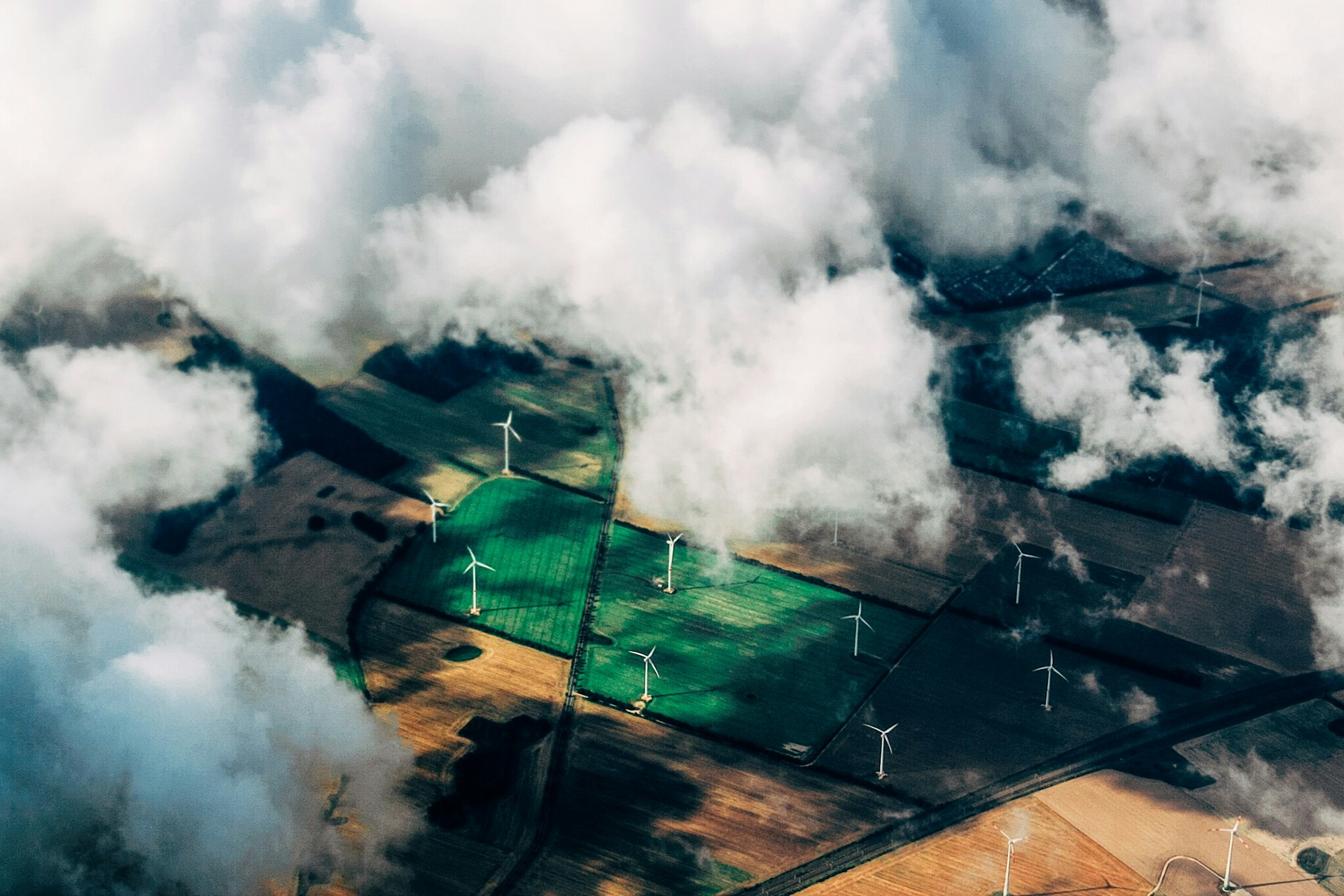
Cloudberry has completed its acquisition of Orrön’s Nordic renewable platform. The transaction adds 758GWh of annual proportionate generation and raises Cloudberry’s portfolio to approximately 2.1TWh across Nordic electricity markets.
-
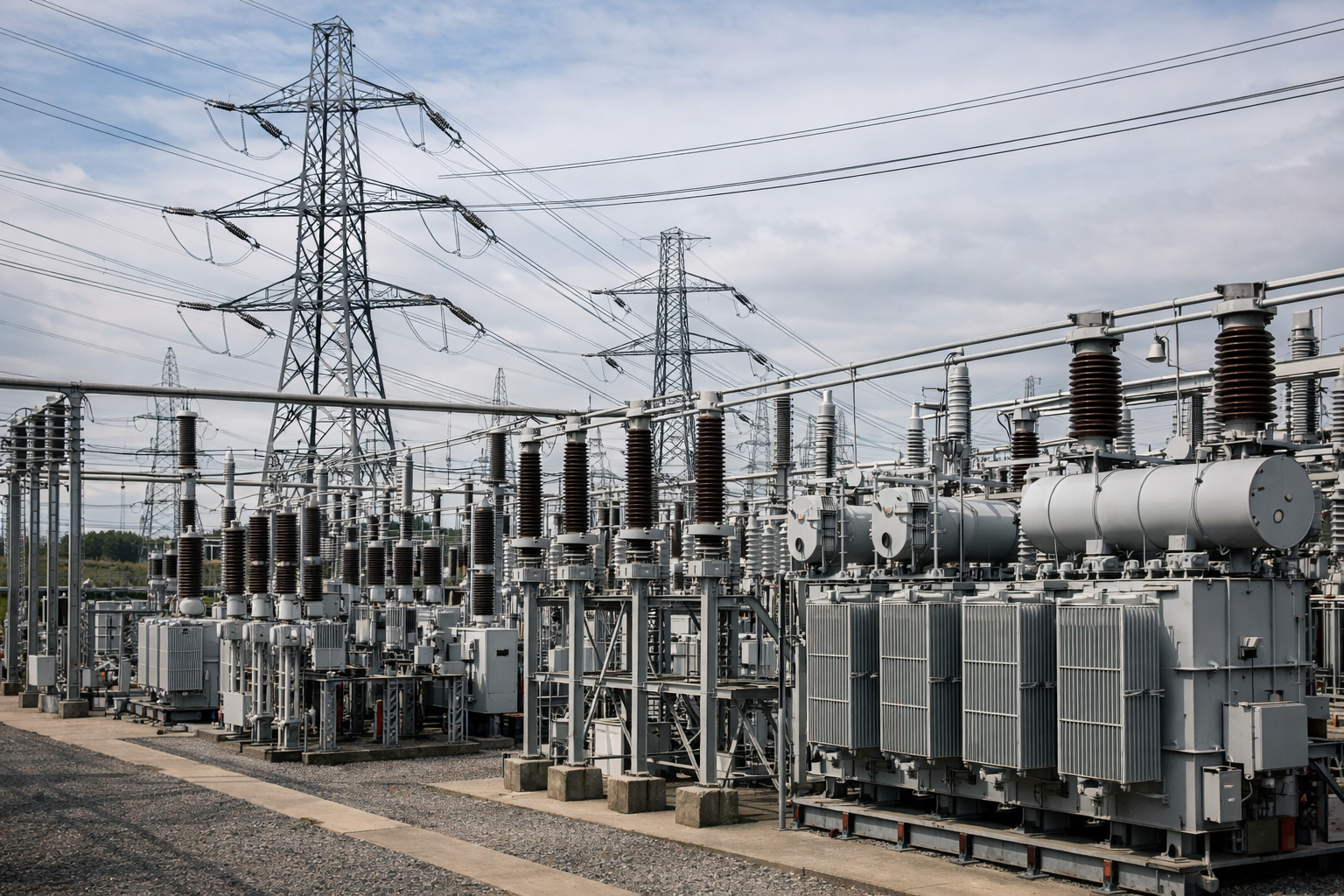
Dumbrava battery storage has secured €19 million for construction financing. The 50MW/100MWh Romanian project is already under construction, with commercial operation targeted for April 2027.
-
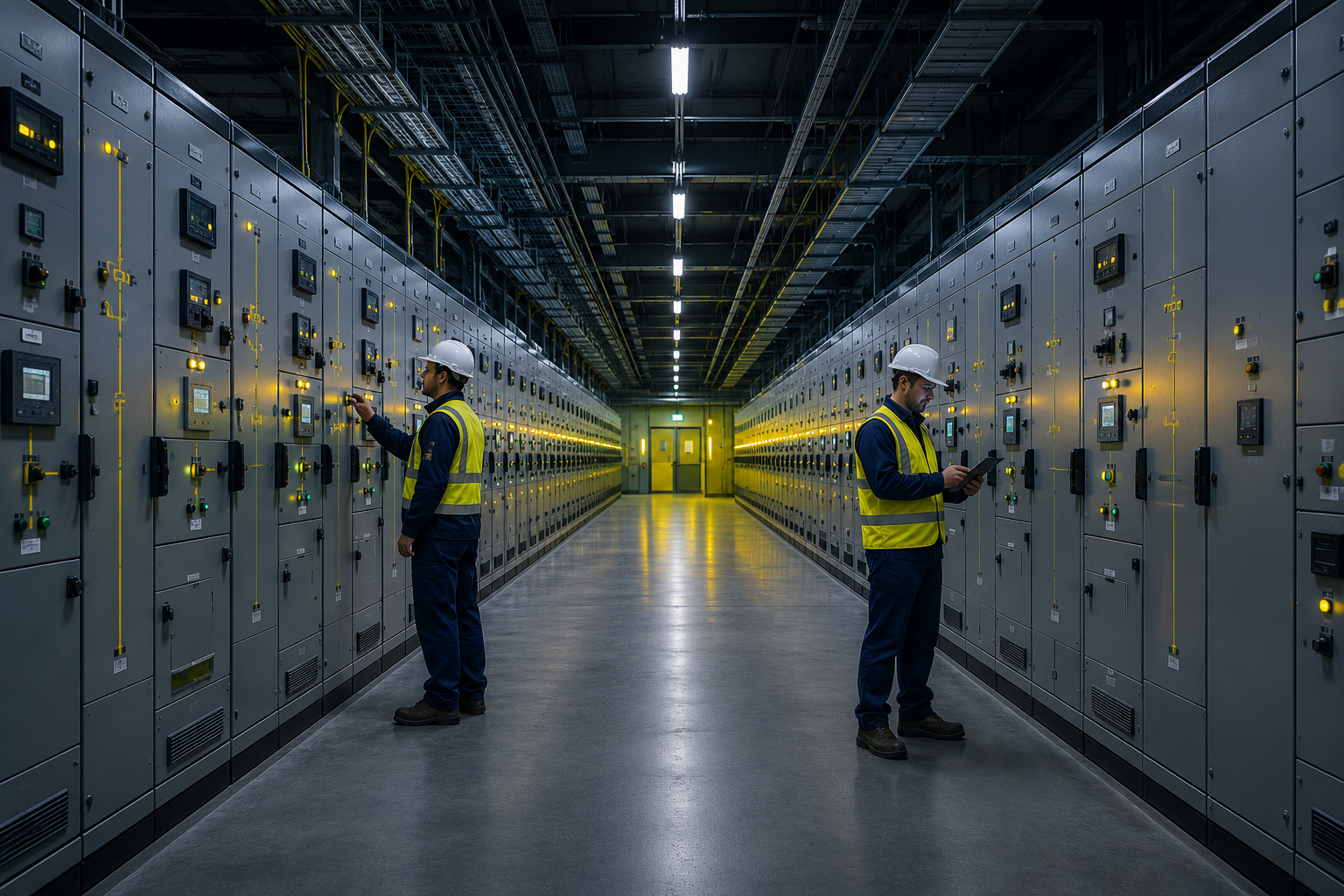
ENTSO-E has set seven priorities for securing Europe’s transmission infrastructure. The proposals cover physical protection, cybersecurity, offshore recovery, crisis responsibilities, cross-border resources, information controls, and dedicated security investment.
-
Sirius battery has reached financial close in the northern Netherlands. Vattenfall will control dispatch of the 200MW/800MWh system under a long-term tolling agreement tied to time-dependent transmission rights.
-
Ofgem has assessed thirty transmission load re-opener applications for RIIO-ET3. Draft determinations set proposed funding decisions for infrastructure needed to connect new demand during the five-year price-control period.
-
METLEN is now advancing 1.3GWh of battery capacity across Europe. Projects in Britain, Italy, and Greece span EPC delivery, project finance, tolling, transmission integration, and completed assets.
-
EIB financing approvals add fresh backing for European power infrastructure. The €9.2bn package includes electricity networks in Germany and Greece, Italian solar, and Lithuanian district heating.
-
Greenvolt has secured €218m financing for two Polish battery projects. Ełk and Turośń Kościelna each provide 200MW/800MWh, giving the pair 1.6GWh of four-hour storage as Poland’s utility-scale battery market expands.
-
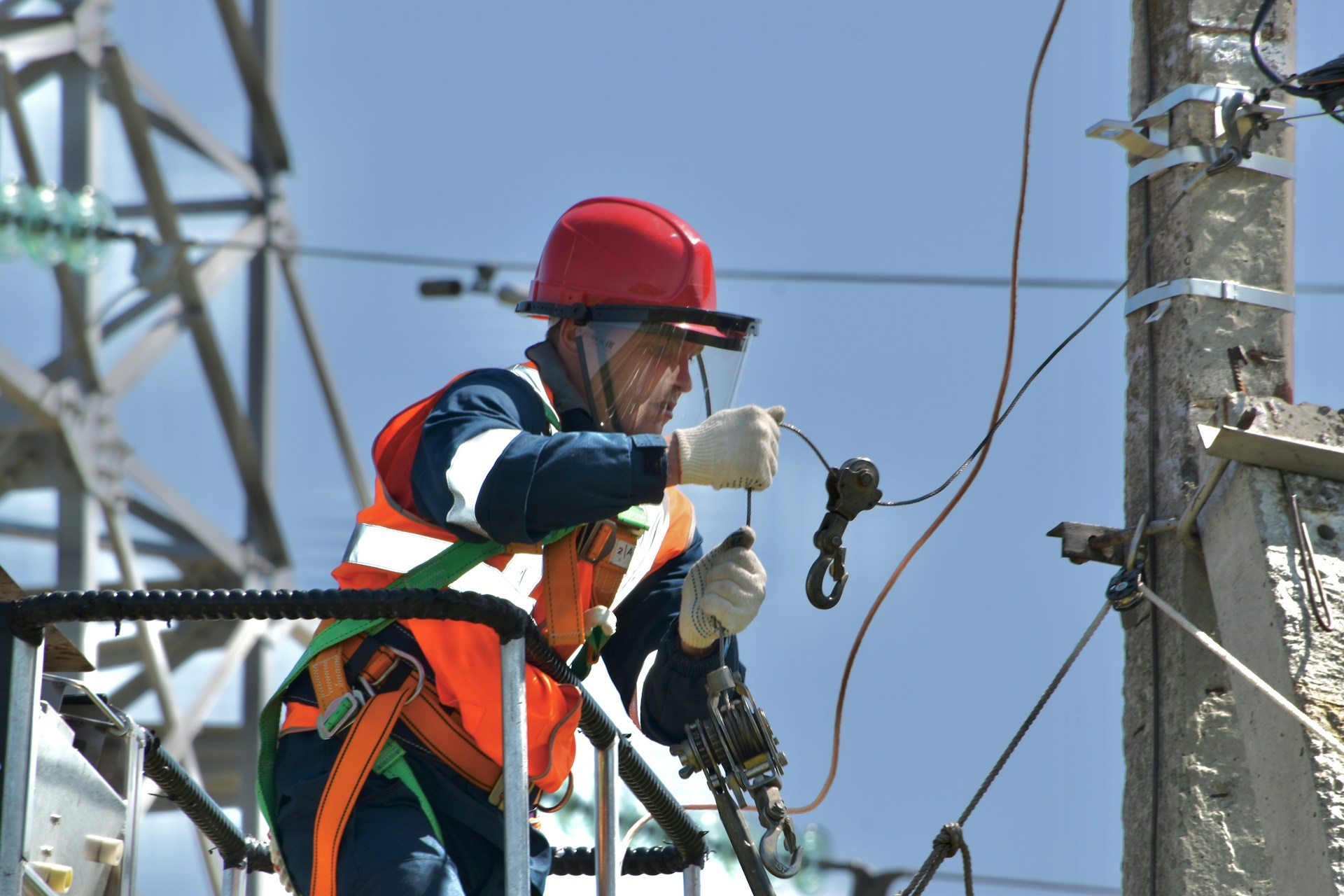
Croatia is revising electricity market rules after prolonged connection delays. Proposed amendments would protect affected renewable projects, improve grid capacity transparency, introduce firmer connection deadlines, and broaden long-term market arrangements.
-
Slovenia generated less electricity during July than one year earlier. Hydro and thermal output fell sharply, while solar and wind generation increased and electricity imports exceeded domestic net production.