
Digitalisation
—
-
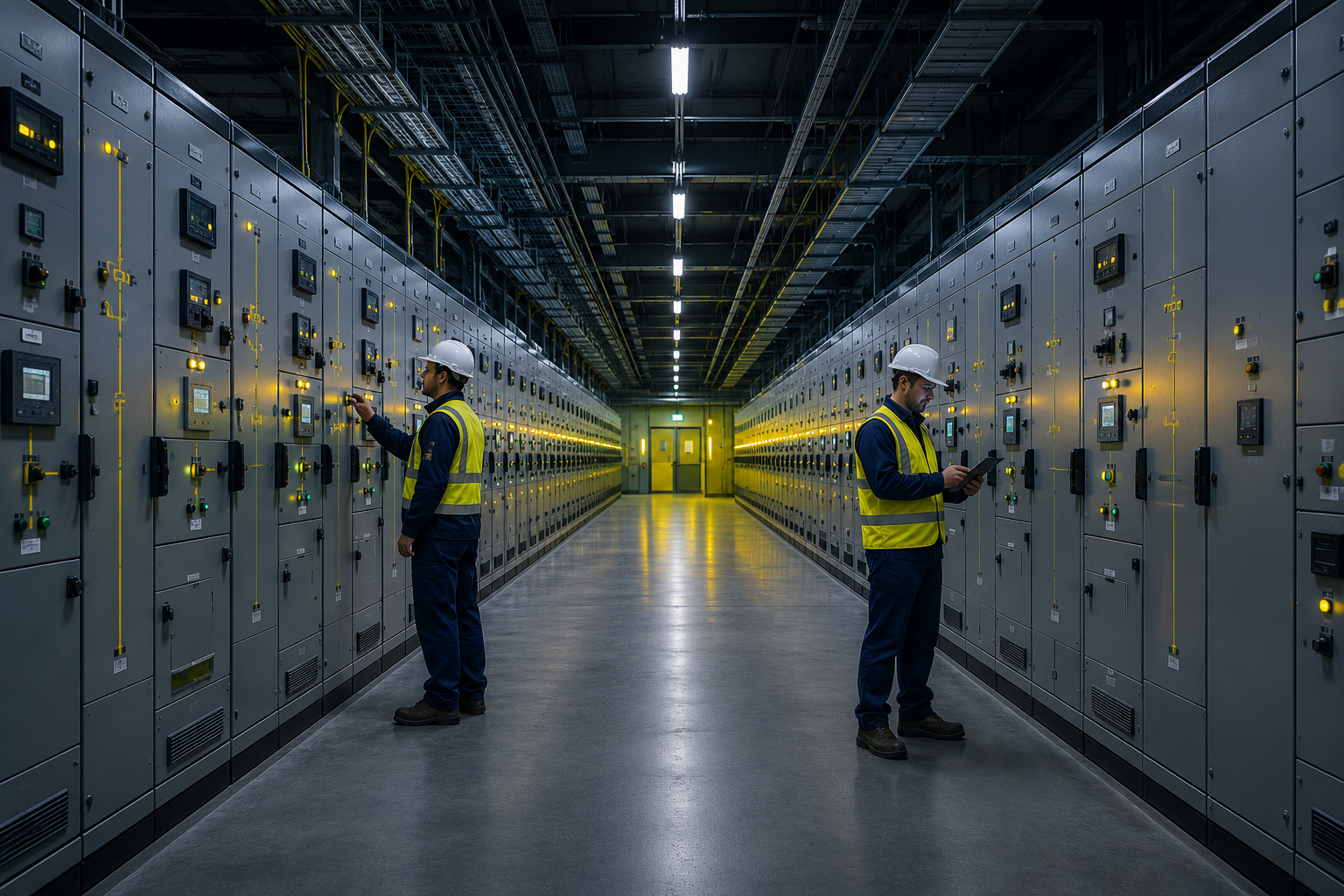
Government seeks evidence on AI deployment across Britain’s energy system. The consultation will inform the first UK AI for Clean Energy Strategy and examines data, regulation, integration, security, skills, and increasing operational autonomy.
-
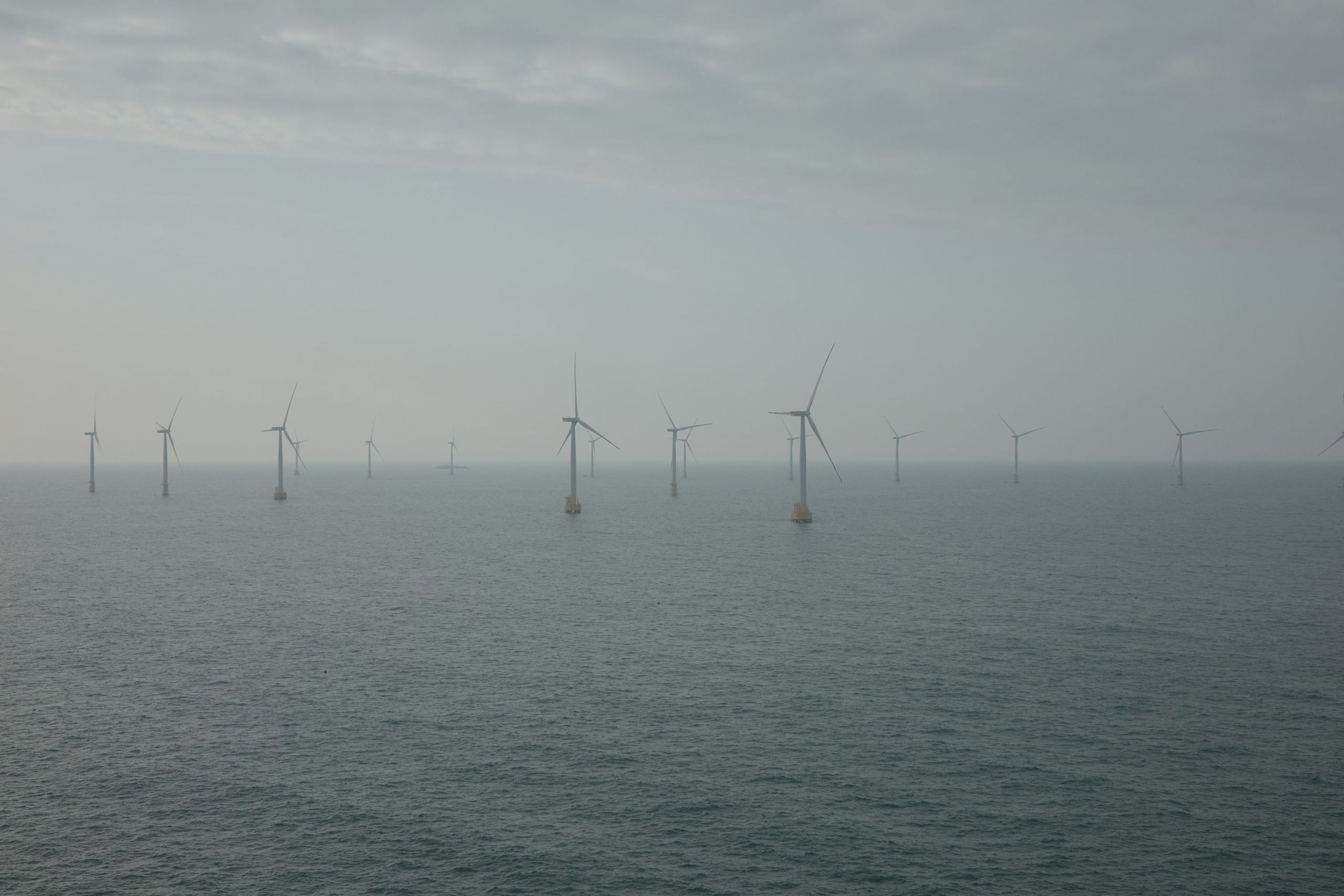
Offshore wind expansion is increasing Europe’s infrastructure security requirements rapidly. EIES wants cyber, physical, and supply chain resilience designed into projects as North Sea countries pursue 300GW of capacity by 2050.
-
OptiGrid will optimise trading for Vena Energy’s 408MW Bellambi battery. The approximately 816MWh New South Wales project is under construction and targets commercial operation during 2027.
-
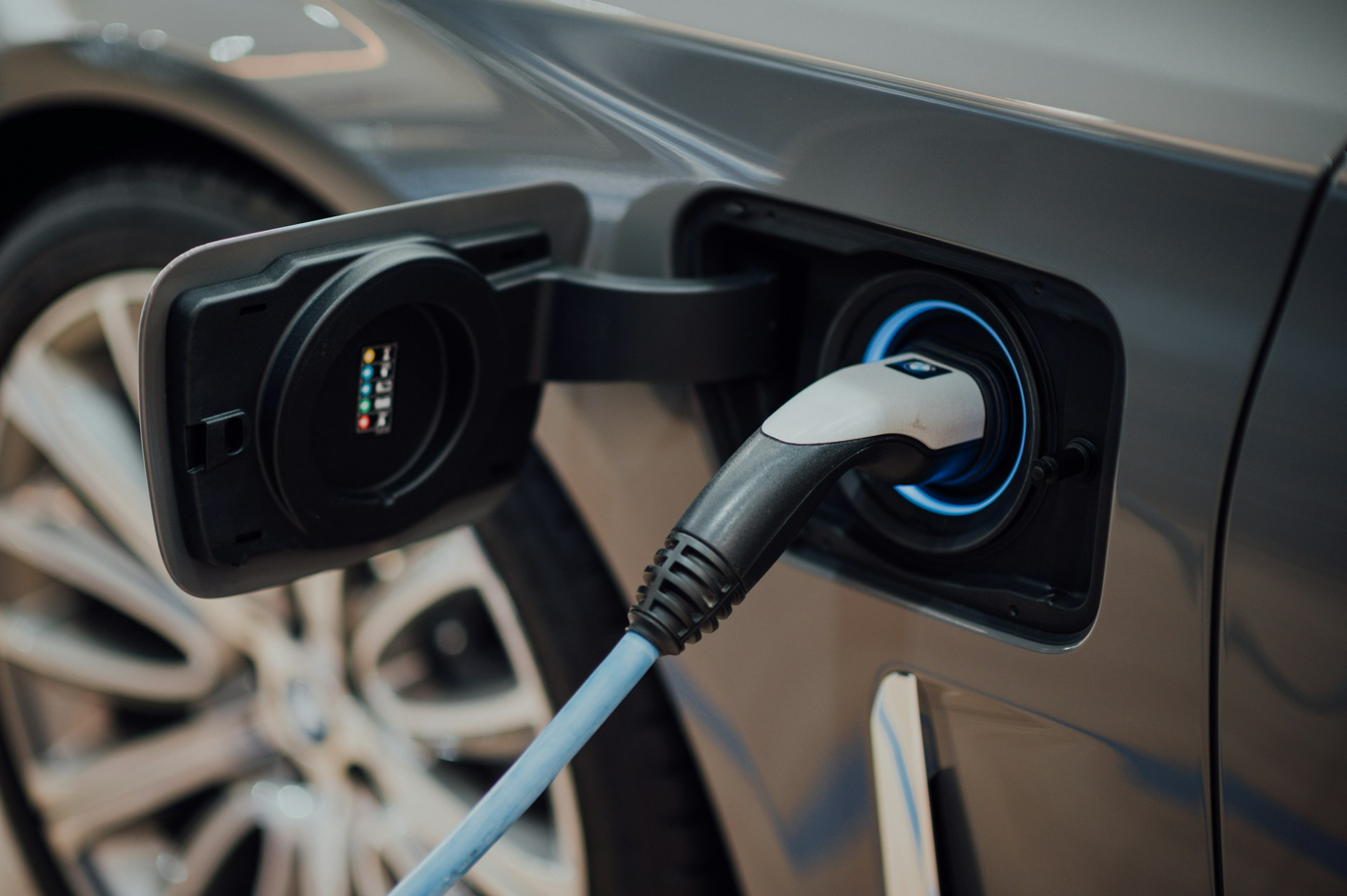
Osprey has launched Autocharge across its nationwide UK rapid-charging network. Dynamic pricing is also being extended across the network through the operator’s in-house Iris software.
-
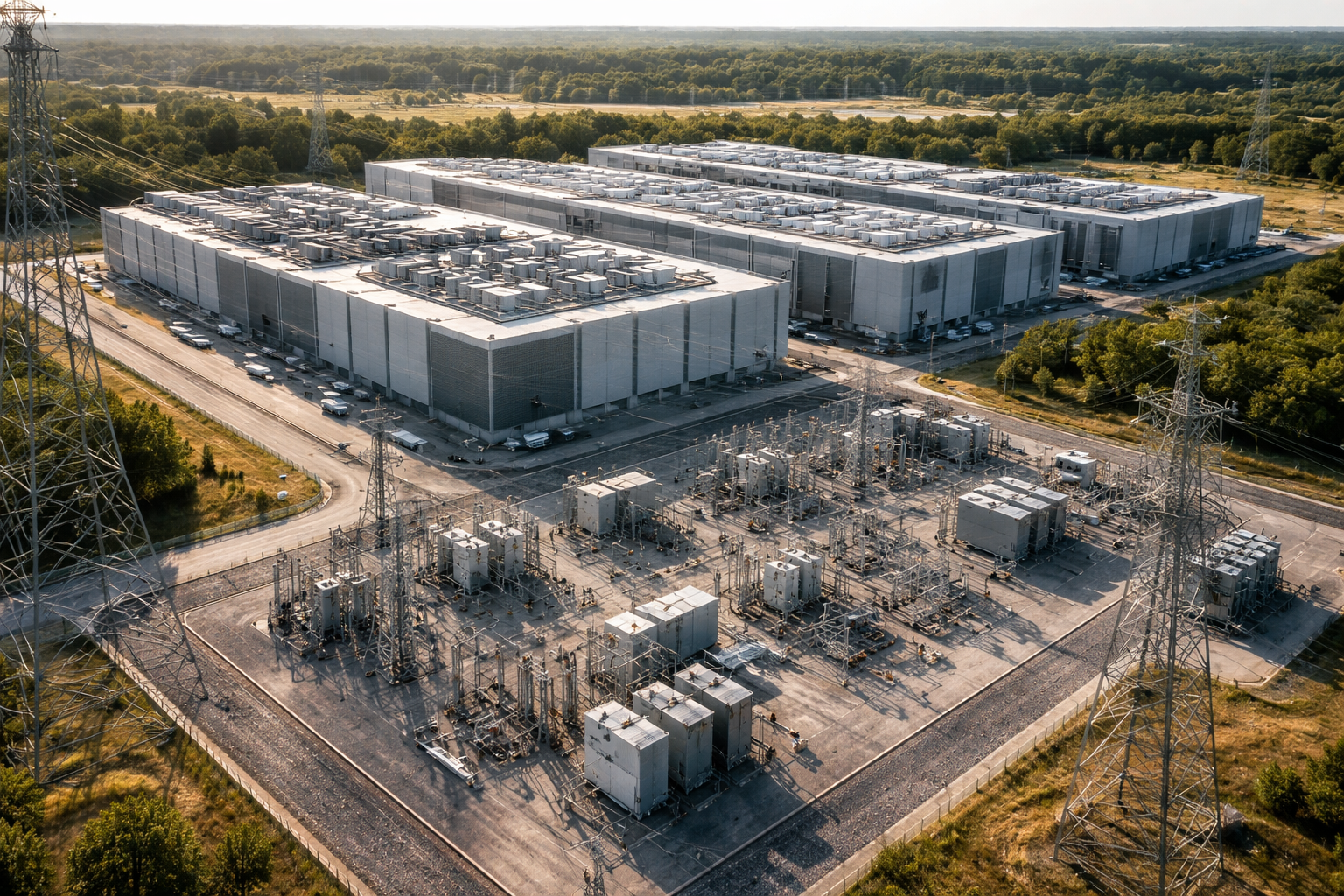
Ofgem returns complex site code changes for further regulatory work. P441 and R0268 must now have decision and implementation timetables aligned with linked code changes.
-
Volue says European battery returns increasingly depend on trading skill. Its research links saturated frequency markets, quarter-hour trading, and degradation management to a more demanding operating model.
-
ev.energy has already enrolled 10,000 flexible charging assets across Britain. Charge & Earn shifts eligible EV charging while retaining driver requirements and distributes market value to participants and partners.
-

SSEN is expanding robotic inspections across northern Scotland’s HVDC sites. Seven additional machines will monitor energised converter and switching equipment as the technology moves into routine operation.
-
Vertiv will acquire UtilityInnovation Group to expand data-centre power capabilities. The $1.45 billion deal adds microgrid controls, switchgear, onsite generation orchestration, and behind-the-meter architecture, subject to regulatory approval.
-
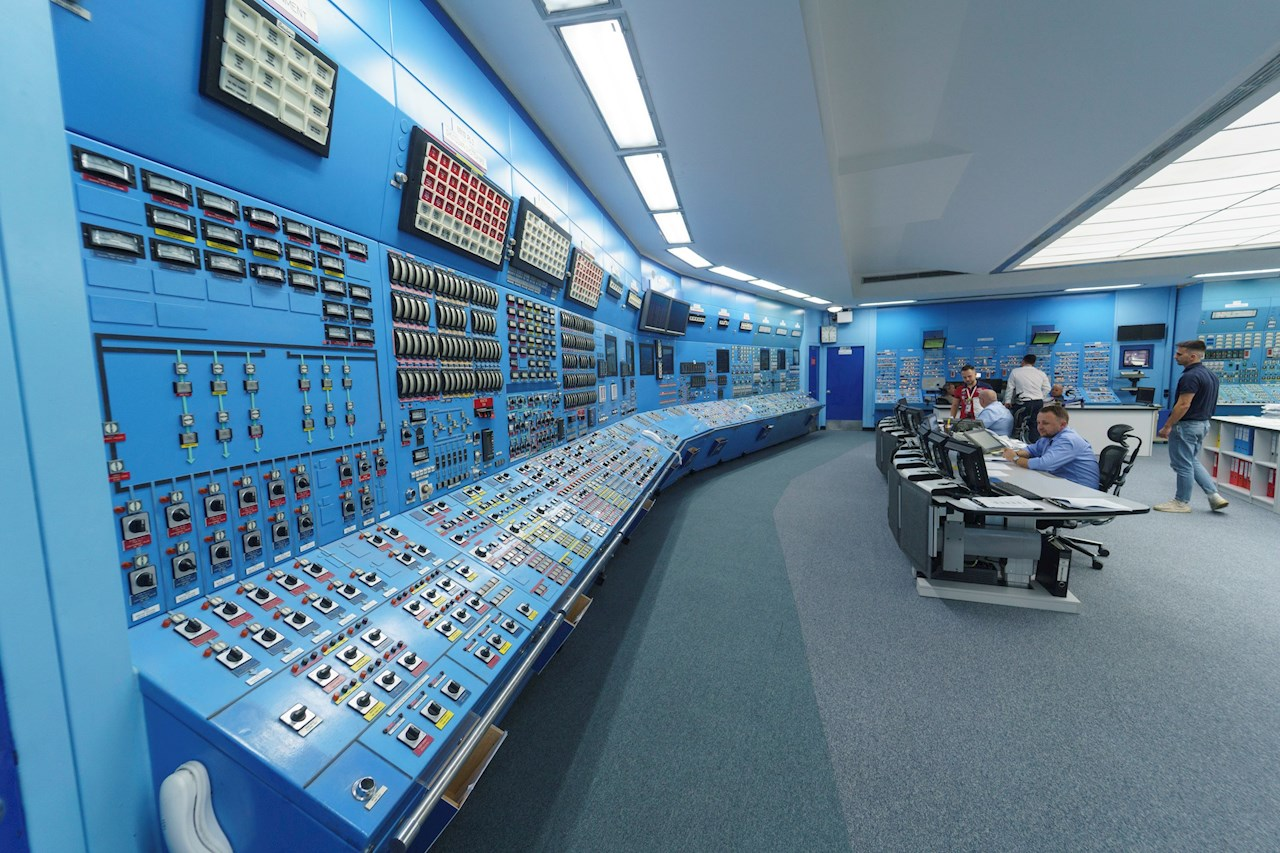
ABB will modernise Cernavodă Unit 1 control and safety systems. The package supports a 30-year life extension at Romania’s only nuclear power station, covering distributed control, shutdown functions, cybersecurity, and standby diesel controls.