
Digitalisation
—
-
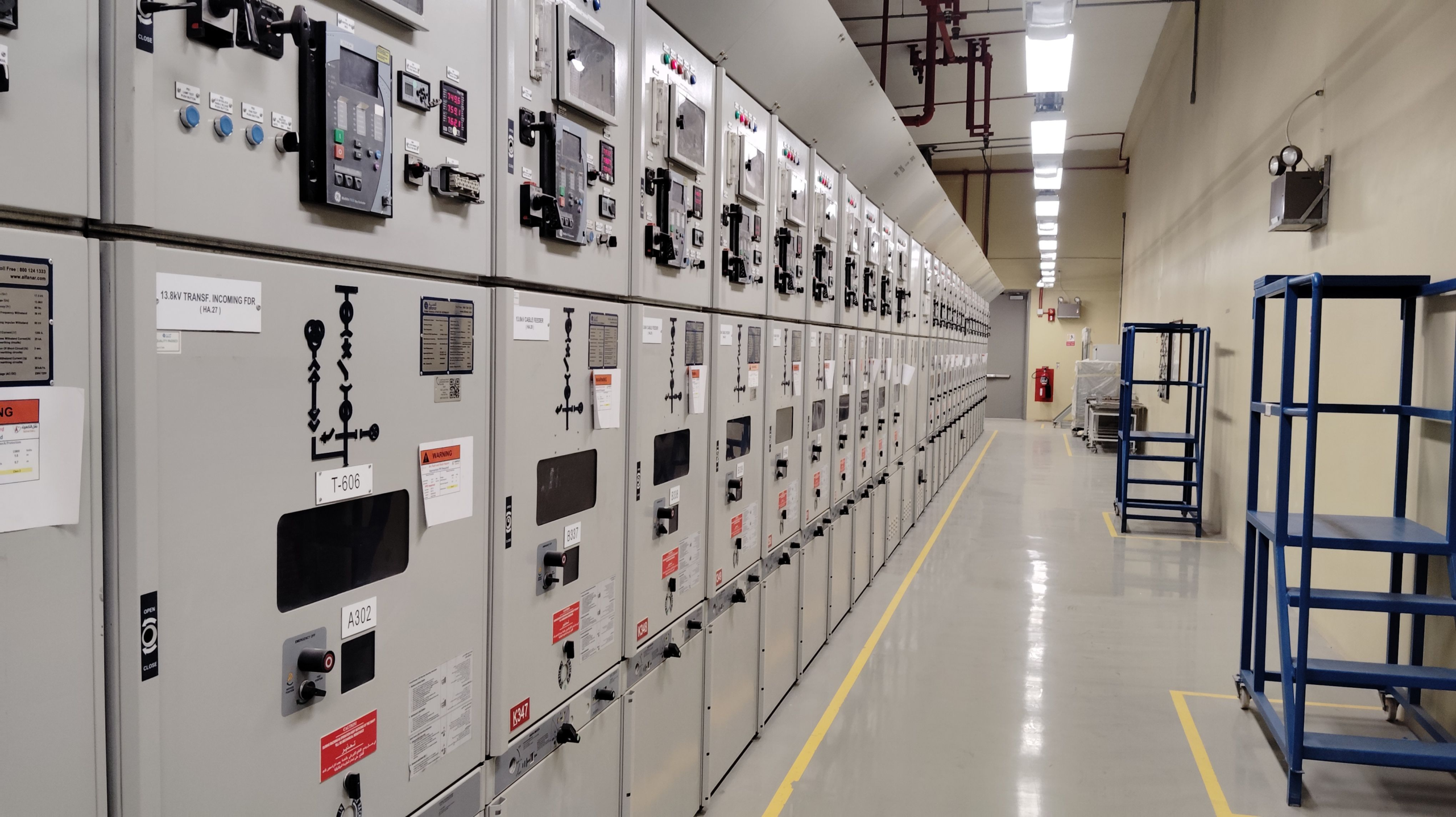
Techinova has signed a Swedish electricity network automation supply agreement. The SEK 43 million order covers approximately 1,100 RTU cabinets integrating dSense, with deliveries planned through 2028.
-
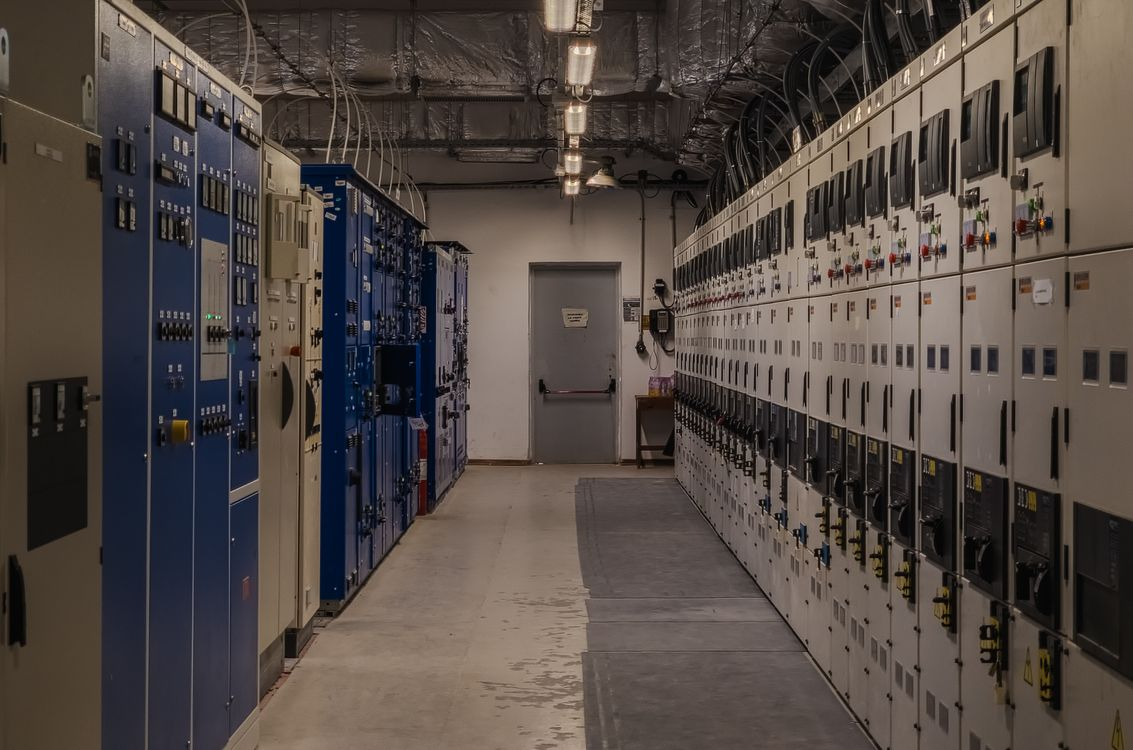
InoBat and Analog Devices plan an intelligent battery prototype programme. The proposed LFP container will test wireless monitoring, impedance diagnostics and analytics; no commercial performance has yet been validated.
-
Ofgem has clarified funding expectations for flexibility asset registration delivery. Distribution network operators must account for existing RIIO-ED2 funding and disclose uncertainties affecting future digital infrastructure plans under RIIO-ED3.
-
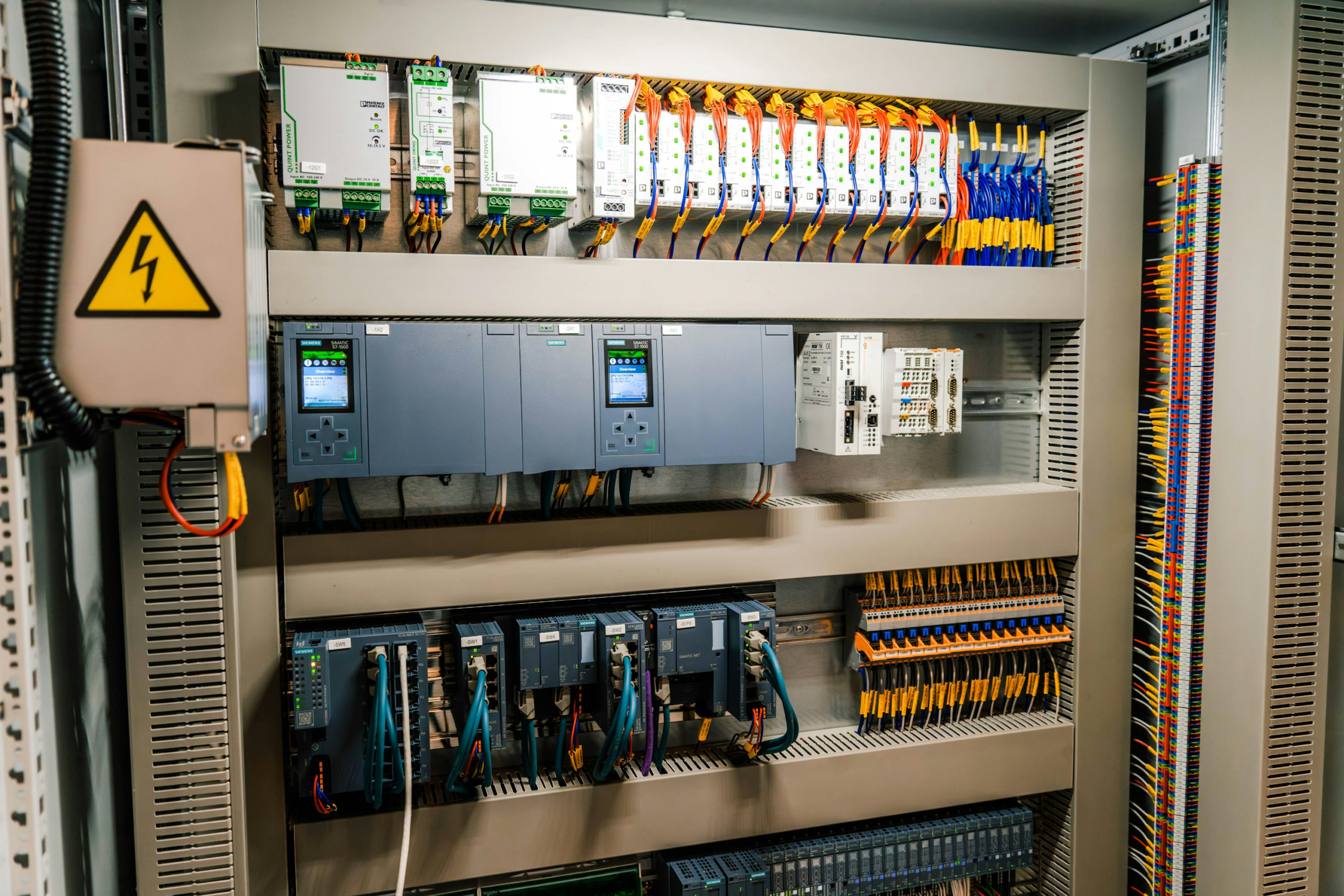
Wärtsilä will integrate battery storage with Aruba’s existing generation assets. The agreement covers a 35 MW/70 MWh installation, energy management software and maintenance services, with final handover expected in 2028.
-
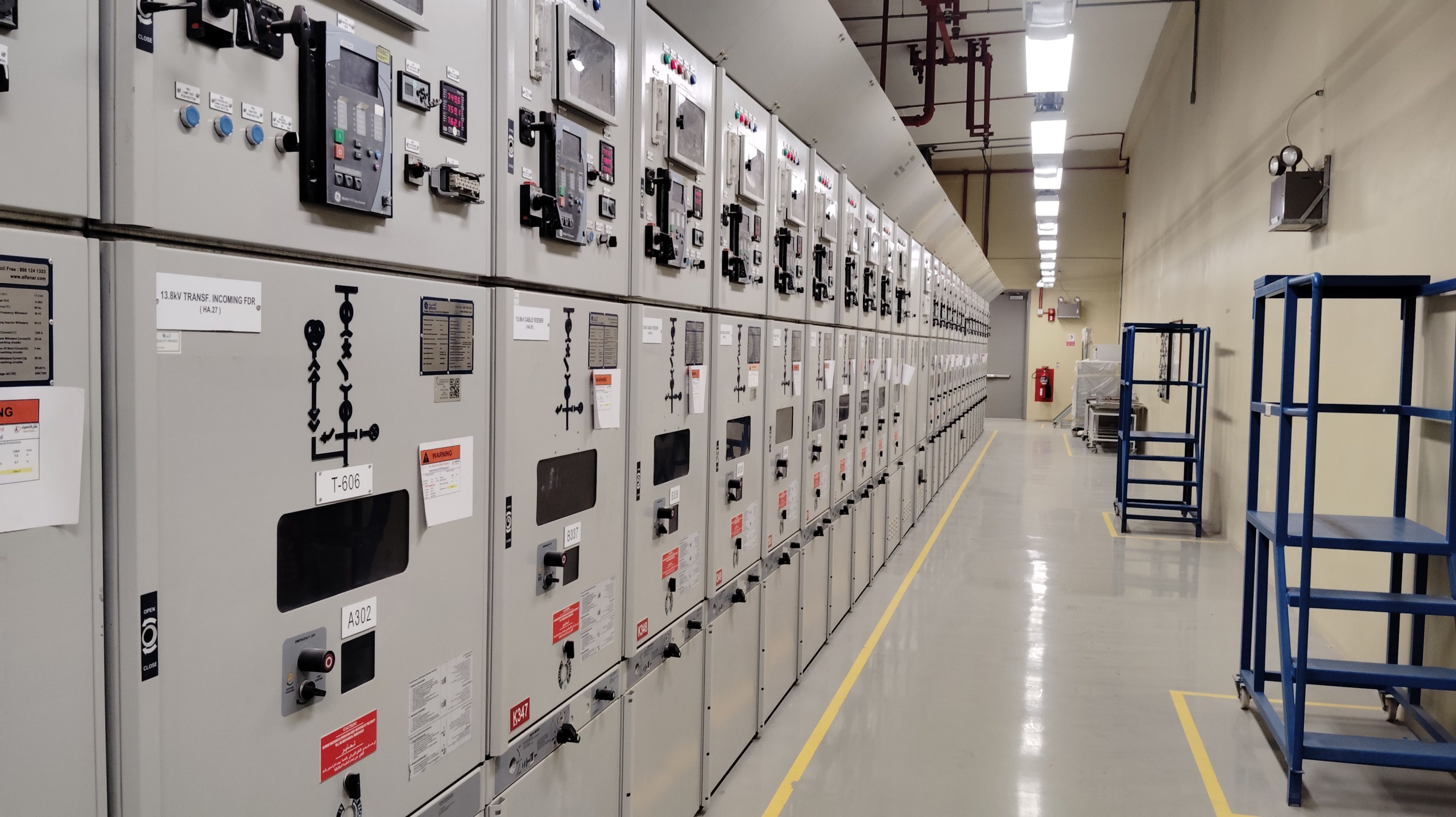
Fidra has appointed ACCURE for independent Thorpe Marsh battery analytics. The contract spans factory testing, commissioning and operating data assessment for the South Yorkshire storage development.
-
Ofgem has proposed shared registration arrangements for distribution network assets. Its Central Asset Register consultation examines how information should be maintained, exchanged and accessed to support network planning and distributed energy flexibility.
-
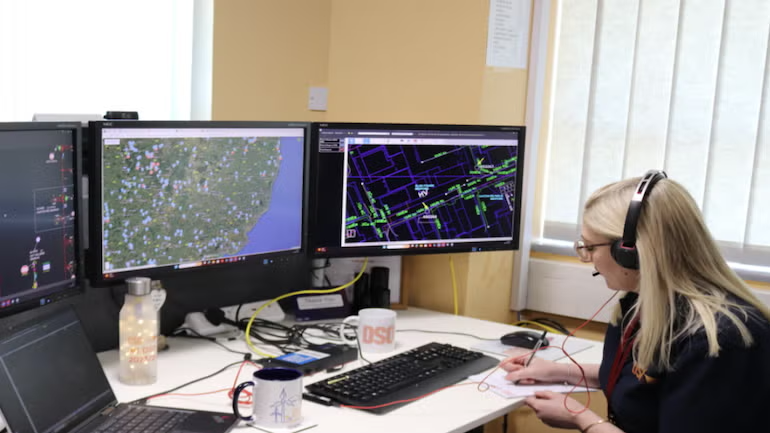
1KOMMA5° has raised fresh capital for its energy software platform. The funding round exceeds €70m and will support investment in Heartbeat AI, which coordinates more than 1GW of distributed electricity flexibility.
-
Linux Foundation has launched OpenGrid for interoperable electricity grid planning. The initiative will create shared schemas, APIs, and translation tools while allowing existing commercial and open source modelling software to remain in use.
-
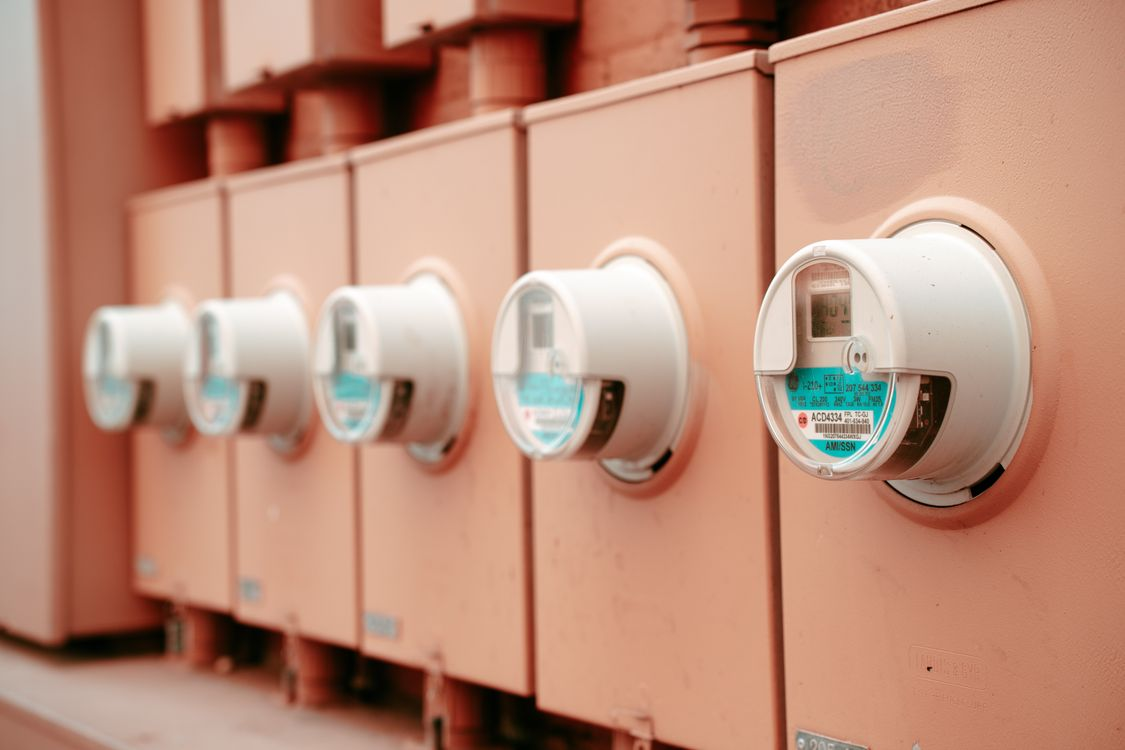
Ofgem has approved enhanced smart meter communications during service disruptions. Selected network information and supported prepayment functions will remain available when the core data service cannot operate normally.
-
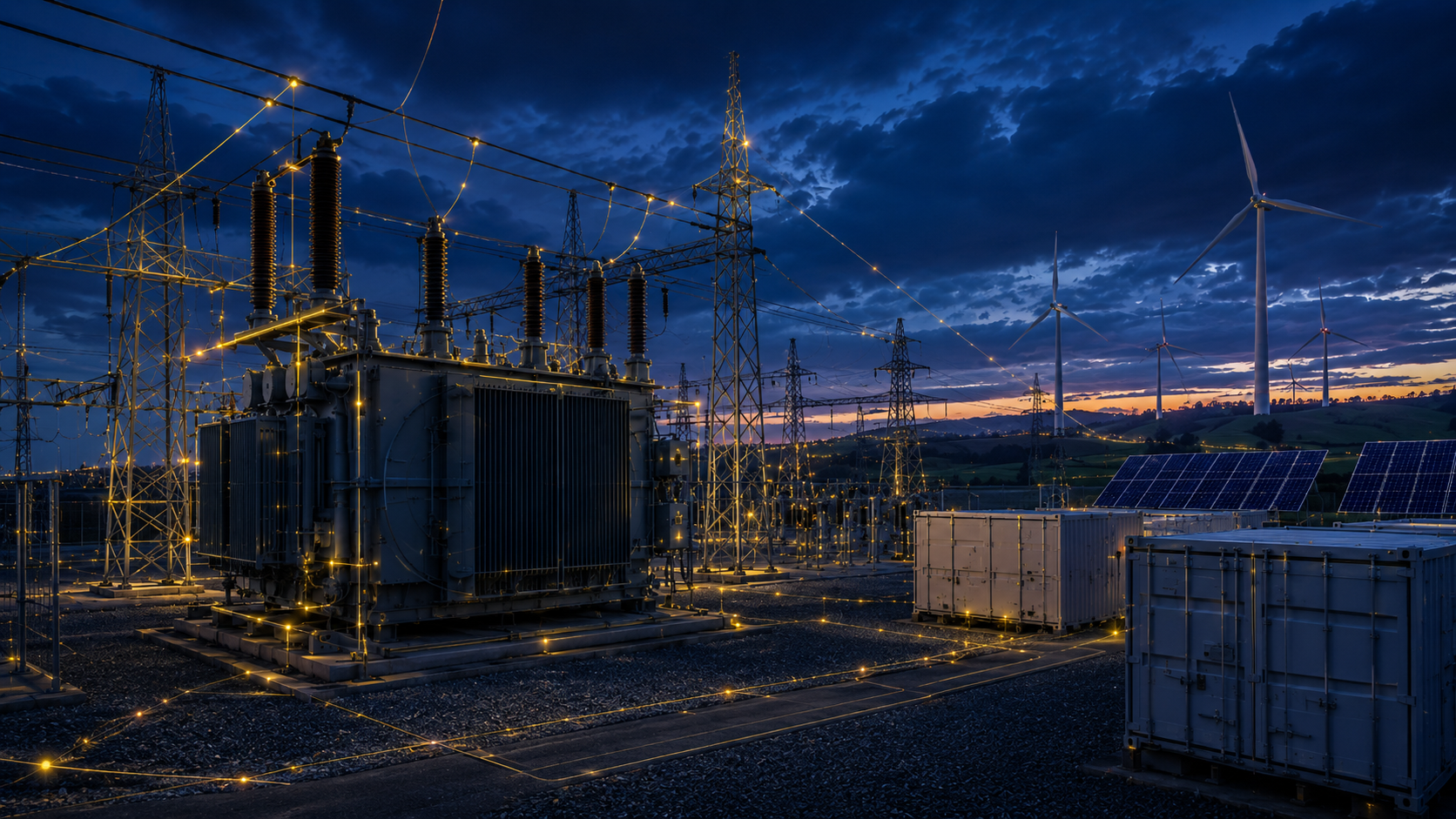
Researchers found thousands of exposed systems across European renewable sites. The study identified 8,547 systems across 35 countries, including administration and control interfaces associated with operating wind and solar assets.