
Digitalisation
—
-
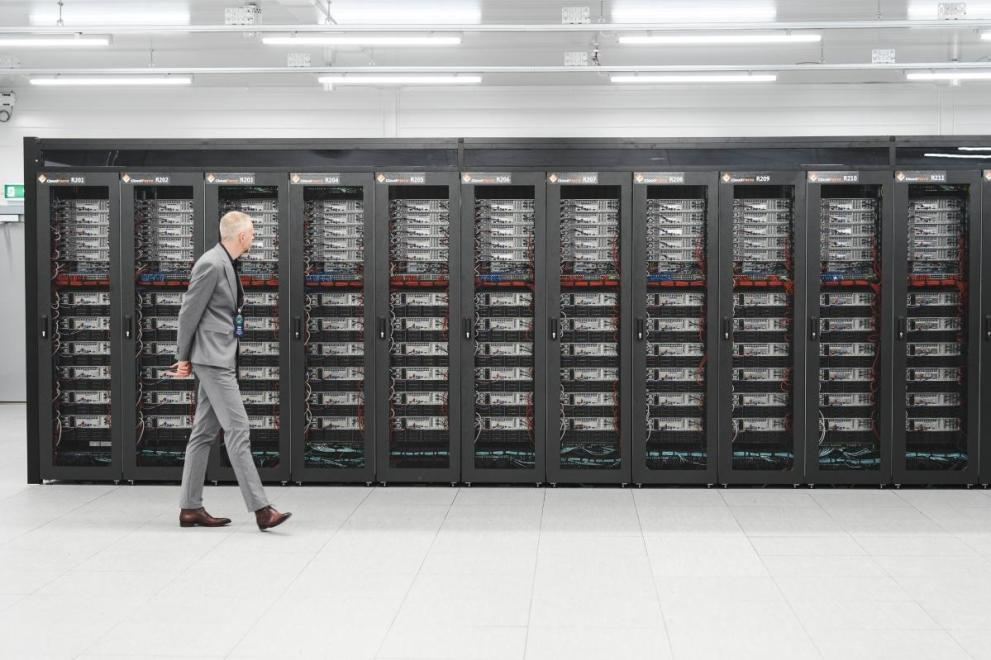
Brussels has proposed common sustainability ratings for European data centres. Sites above 500kW would receive comparable labels covering resource use and grid integration.
-
Centrica and Return have signed a German battery flexibility agreement. The 100MW/400MWh virtual tolling structure draws capacity from multiple physical storage assets.
-
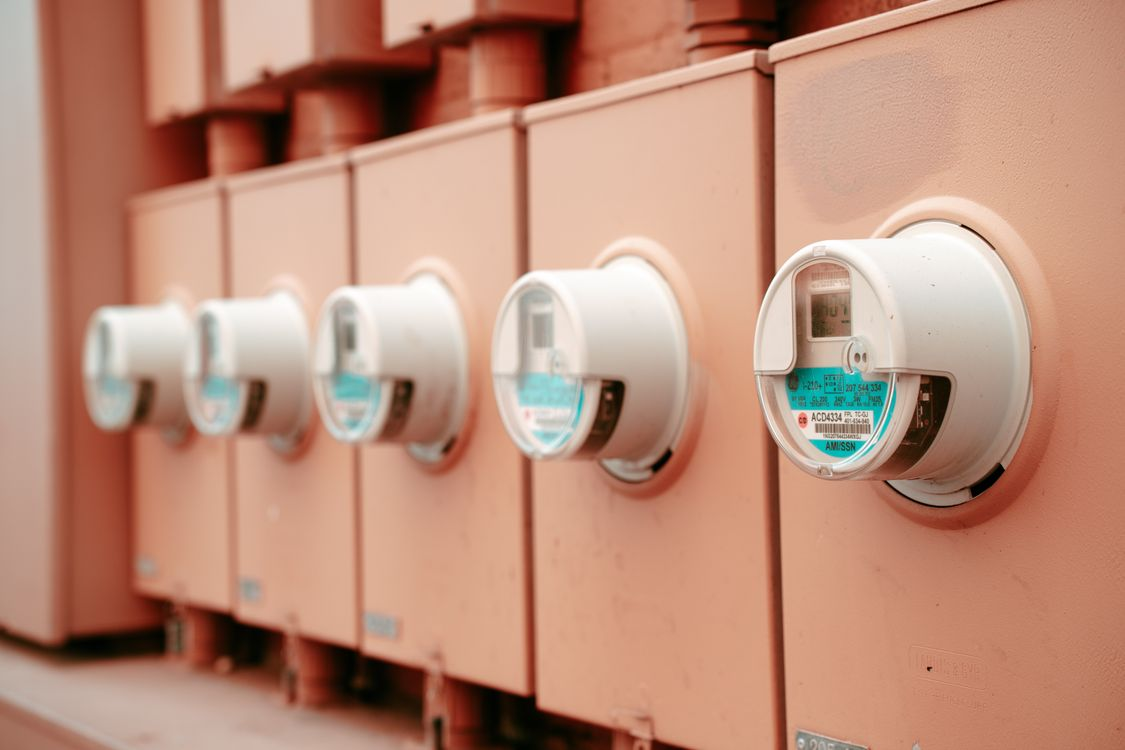
Germany now has more than three million intelligent metering systems. The regulator reports 3.17 million installations and is shifting attention towards reliable quarter-hour data transmission.
-

Ausgrid has launched a community power network battery trial programme. Distributed batteries will absorb surplus local solar and release energy later while testing a network-led model for sharing financial benefits.
-
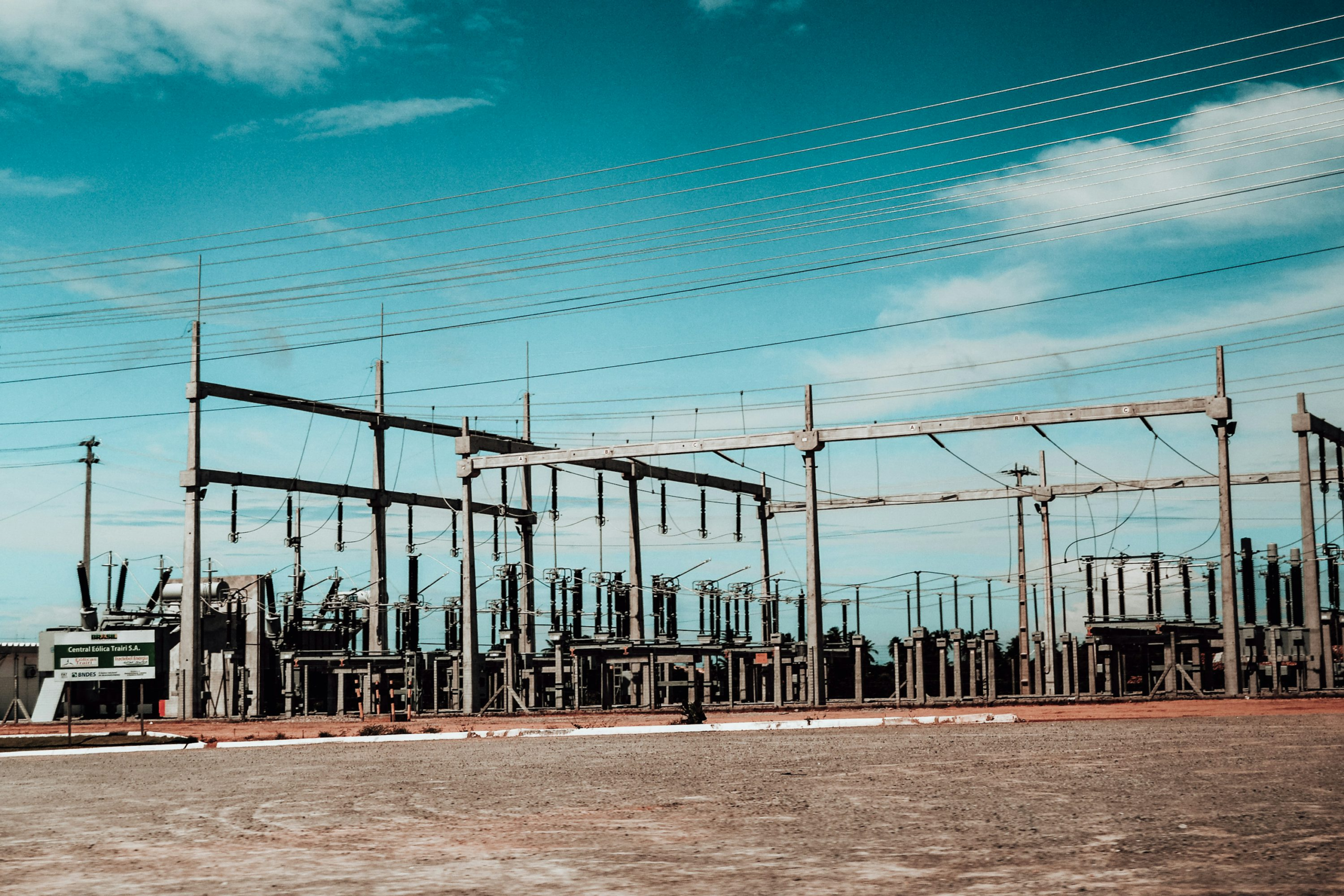
NESO is advancing a unified standard for power-flow metering polarity. GC0182 would formalise how operational metering signals are presented to the system operator and replace increasingly complex workarounds.
-

ABB says industrial electrical systems must become actively orchestrated infrastructure. Its new whitepaper links rising energy costs, outages, storage, digitalisation, and asset management to changing service strategies.
-
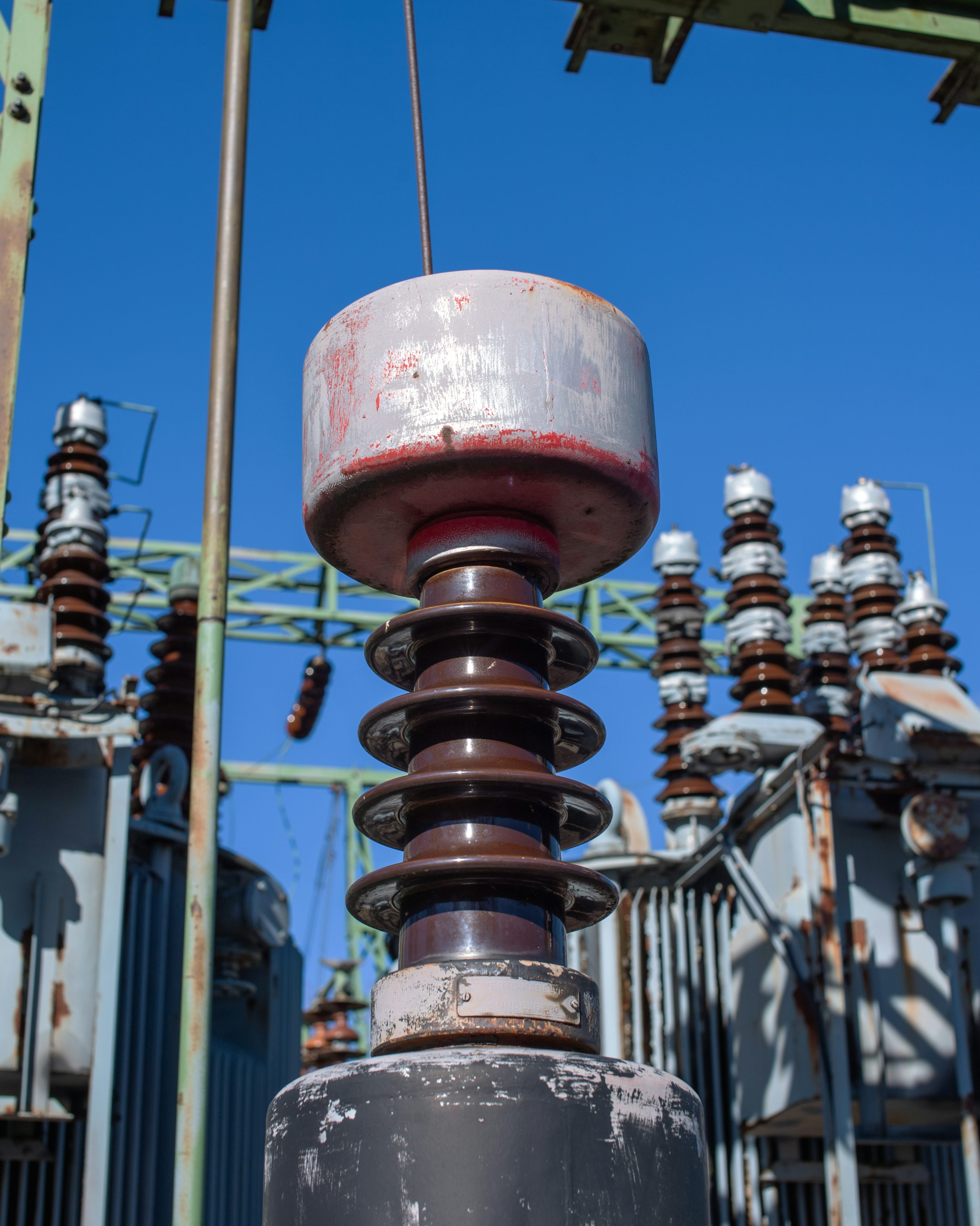
Ofgem has published new strategic priorities for Britain’s energy codes. Network planning, grid forming, flexibility, and governance changes feature in the programme.
-
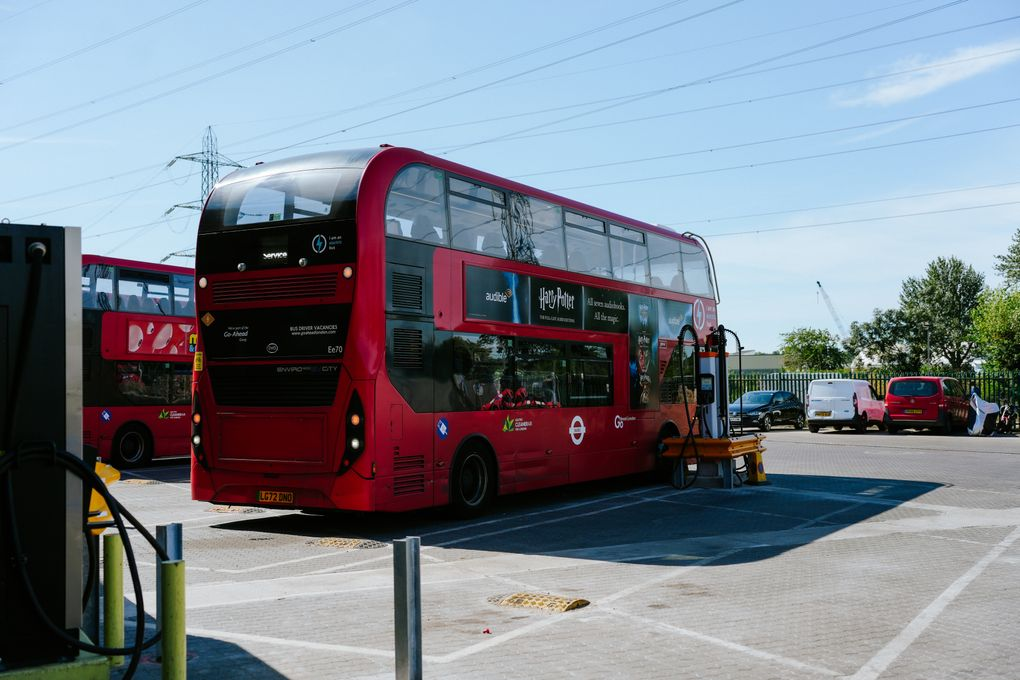
Kempower and Charge Hub are expanding fleet charging into Britain. Five South London bus-depot projects are already progressing towards commissioning.
-
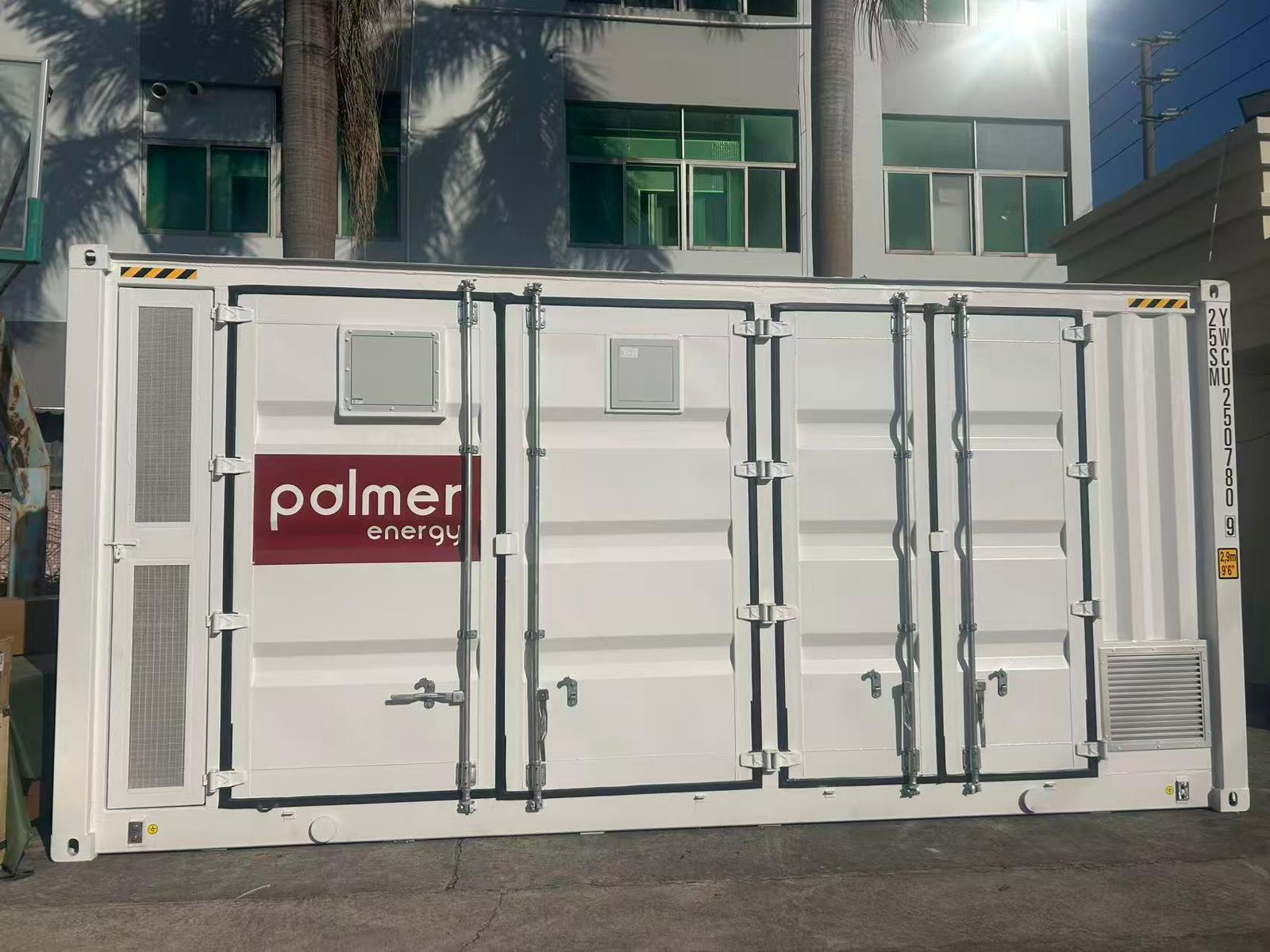
InoBat and Palmer Energy have agreed a European storage partnership. The arrangement combines reciprocal BESS supply with Brill Power battery-management and energy-management technology.
-
North Macedonia plans its first utility-scale battery energy storage system. The proposed Bitola project would provide 100MW/400MWh of storage alongside new control, trading, and cybersecurity systems.