
IN Brief:
- A further €50 million increases EIB financing for the programme to €400 million.
- Works include voltage infrastructure, substations up to 110kV, smart meters, and automation.
- The investment is intended to support renewable connections, electrification, and regional economic activity.
The European Investment Bank is providing a further €50 million to ZSE Group for electricity distribution upgrades across western and eastern Slovakia. The latest tranche takes the bank’s financing package for the programme to €400 million, supporting a wider investment plan estimated at €781 million.
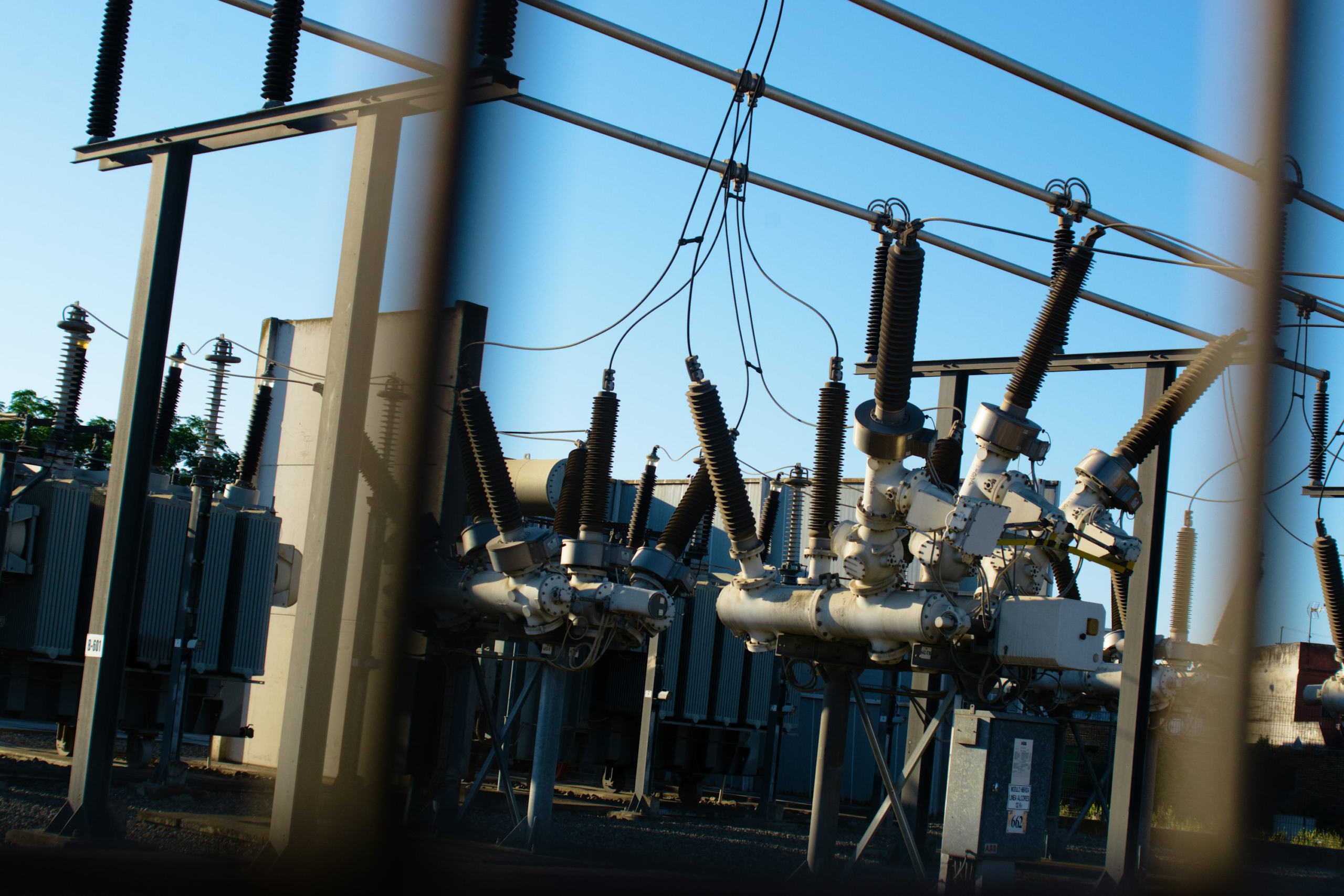
The programme covers high-, medium-, and low-voltage infrastructure, including new and refurbished overhead lines, underground cables, transformers, and substations rated up to 110kV. It also includes smart meters and network automation intended to improve visibility, prepare the system for more active control, and accommodate additional renewable generation and electrified demand.
ZSE Group delivers distribution services through Západoslovenská distribučná in western Slovakia and Východoslovenská distribučná in the east. Together, the operators serve nearly two million customers. The financing therefore supports a national programme of network renewal rather than a small number of isolated assets.
Distribution systems are being asked to manage power flows that are less predictable and less one-directional than the networks for which much of their equipment was designed. Solar generation, electric vehicles, heat pumps, and industrial electrification can create local peaks, reverse flows, and tighter voltage limits before national generation capacity becomes the immediate constraint. Reinforcement and automation have to progress together if operators are to connect new loads without weakening service quality.
Substations, conductors, transformers, metering, and protection systems increasingly determine the practical pace of electrification. New renewable capacity can be consented and constructed, but it cannot contribute reliably when local networks lack the capacity or control systems required for connection. The Slovak programme combines physical reinforcement with digital equipment rather than treating software as a substitute for cable, steel, and transformer capacity.
The work also supports regional economic activity. Because the programme covers both western and eastern Slovakia, upgraded network capacity can influence where manufacturers, logistics operations, charging depots, and other high-load users are able to locate. Distribution infrastructure has become an investment constraint for industrial development as well as an essential public service.
The EIB recorded €11.6 billion of financing for electricity networks and storage in 2025, which it said supported almost half of Europe’s total grid investment. Its wider energy-security financing reached €33 billion during the year. The figures reflect the capital requirement behind Europe’s generation targets, with networks absorbing a growing share of the delivery programme.
The Slovak scheme supports European Union objectives covering grid investment, energy security, and decarbonisation, including REPowerEU and the Grid Action Plan. The EIB project assessment identifies an investment gap in electricity infrastructure and links the programme to higher security of supply, improved service standards, renewable integration, and rising demand from transport and heating.
Delivery will require a sustained procurement pipeline across cables, switchgear, transformers, protection equipment, metering, communications, civil works, and software integration. Substations up to 110kV bring detailed design, outage planning, and commissioning requirements, while the mix of overhead and underground assets prevents the programme from being delivered through a single standard construction model.
Automation adds another integration layer. Smart meters and field devices produce operational value only when communications, data management, control-room systems, and maintenance processes are configured to use them. Operators must also maintain cybersecurity and interoperability across equipment expected to remain in service for decades alongside legacy assets from several suppliers.
Work across two distribution regions will have to be sequenced around live networks, customer supply, outage windows, contractor capacity, and equipment lead times. Transformers and switchgear can carry long procurement periods, while underground cable projects introduce permitting and civil-engineering constraints. A multi-year investment plan can smooth demand only when design standards, framework contracts, and commissioning resources are aligned across both operating subsidiaries.
Standardisation across the two operating regions could reduce procurement and maintenance complexity, although local network conditions will still require site-specific designs. Common equipment specifications, protection philosophies, data interfaces, and acceptance procedures can make future expansion easier and reduce the number of spare parts and training regimes needed across the group.
The programme will also place sustained demand on designers, cable installers, commissioning engineers, and protection specialists. Funding can secure equipment and contracts, but delivery rates will remain constrained by skilled personnel and the ability to coordinate outages across a live system. Those constraints are likely to shape the order in which substations, circuits, and metering projects are completed.
The additional €50 million strengthens the funding available for execution without changing the engineering scope. Progress will be measured through reinforced circuits, commissioned substations, installed meters, improved control capability, and connected low-carbon demand. Financing opens the programme; procurement, construction, and energisation will determine how much new capacity reaches the network.

