
Digitalisation
—
-
UK Power Networks has opened DERMS access to IDNO customers. The change allows flexible demand and generation connections to use available network capacity without waiting for conventional reinforcement.
-
UK Power Networks is applying AI to business demand data. Millions of half-hourly readings will inform low voltage planning, investment decisions and customer connections.
-
Terna will join Europe’s MARI balancing platform from late November. Market participants will test new IPEX functions before operational cross-border balancing begins.
-
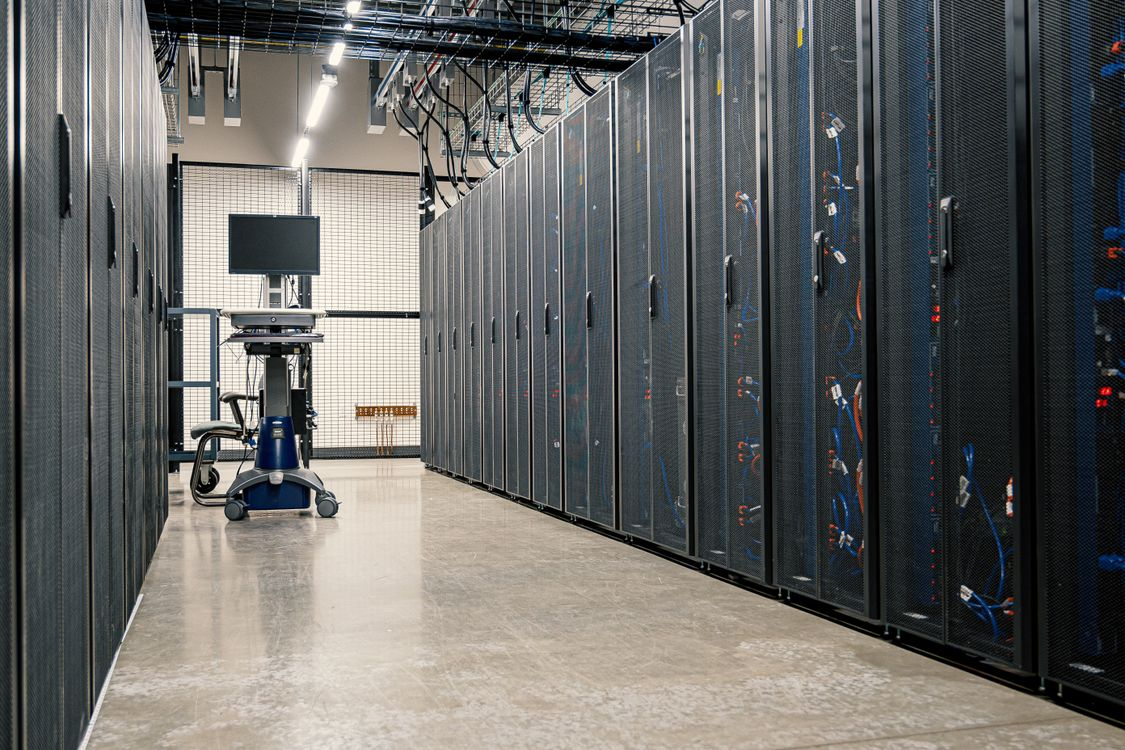
Mitsubishi Electric has mapped power infrastructure for future AI factories. Its reference design combines utility connections, generation, battery storage, distribution, cooling, and controls in repeatable 250MW blocks.
-
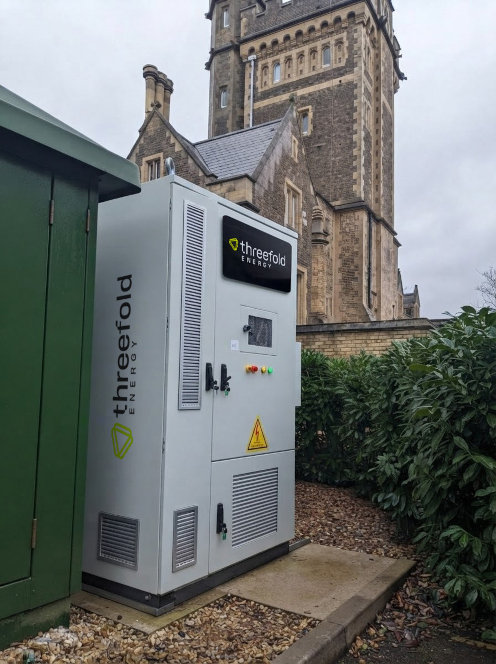
Enel X and Threefold will optimise commercial batteries across Britain. The five-year agreement begins with around 3.5MW of behind-the-meter capacity and could expand significantly as the portfolio grows.
-
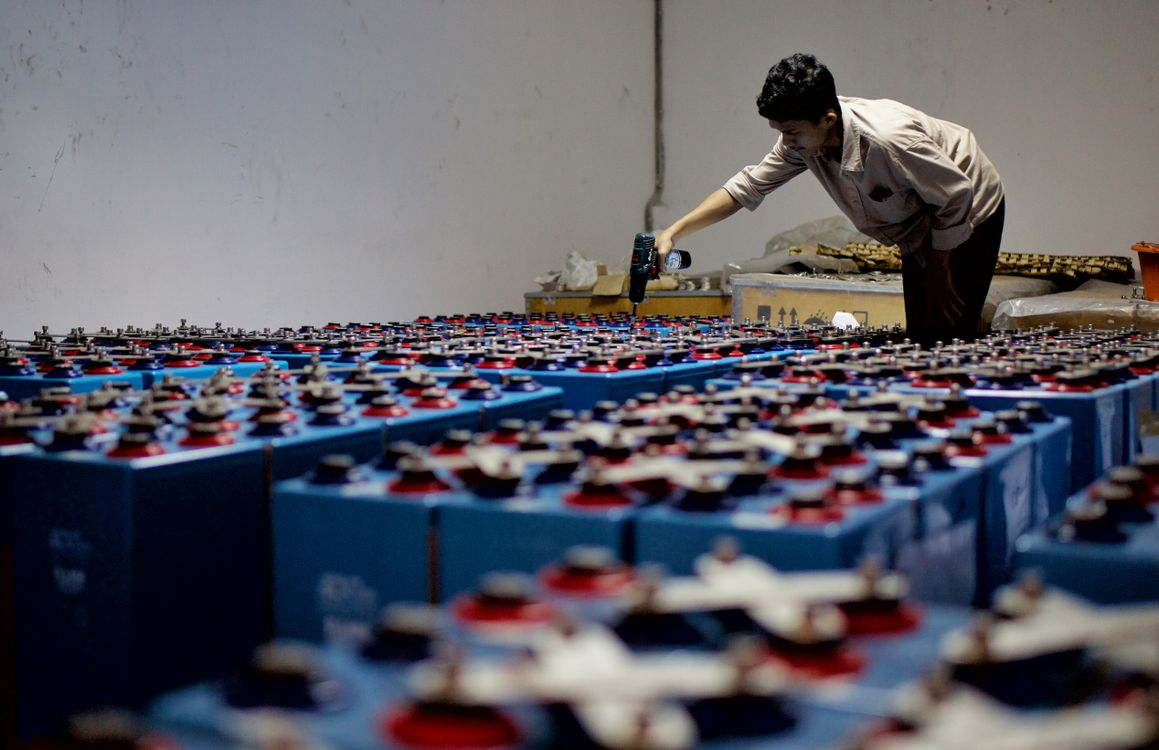
Centrica and Return have signed a German battery flexibility deal. The 100MW/400MWh agreement draws capacity from a virtual portfolio rather than one dedicated storage project.
-
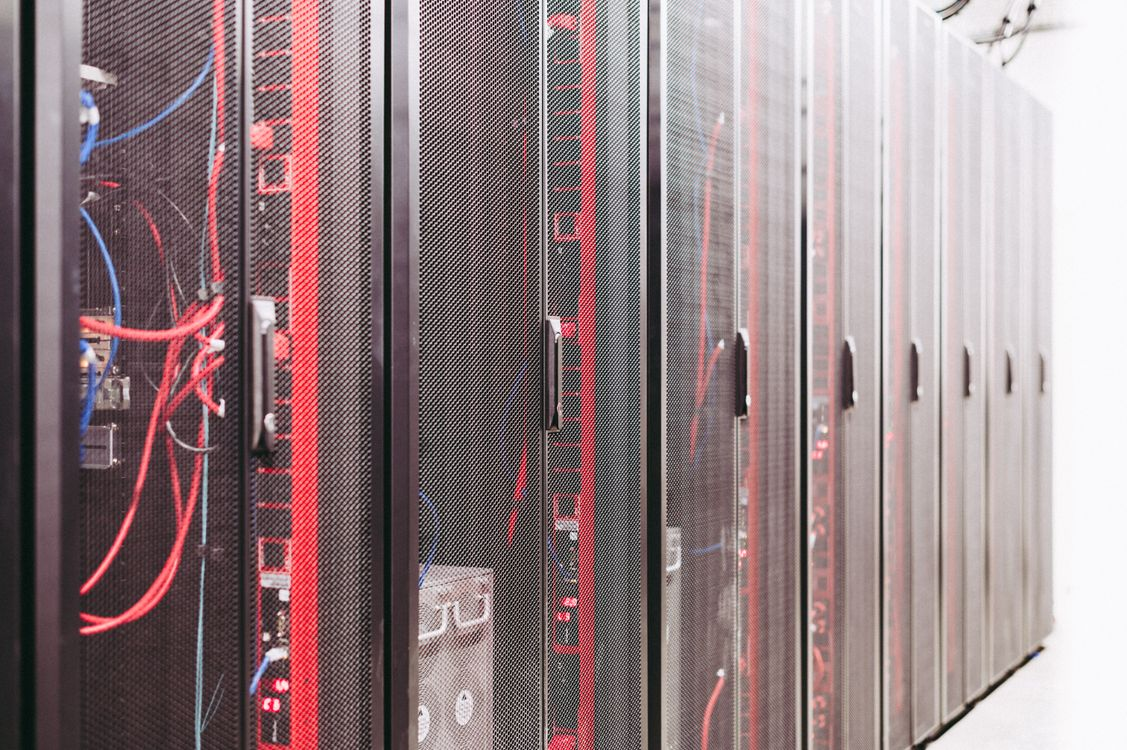
EU regulators opened consultation on new data centre performance standards. The work accompanies a common rating scheme covering efficiency, resource use, flexibility, and grid integration.
-
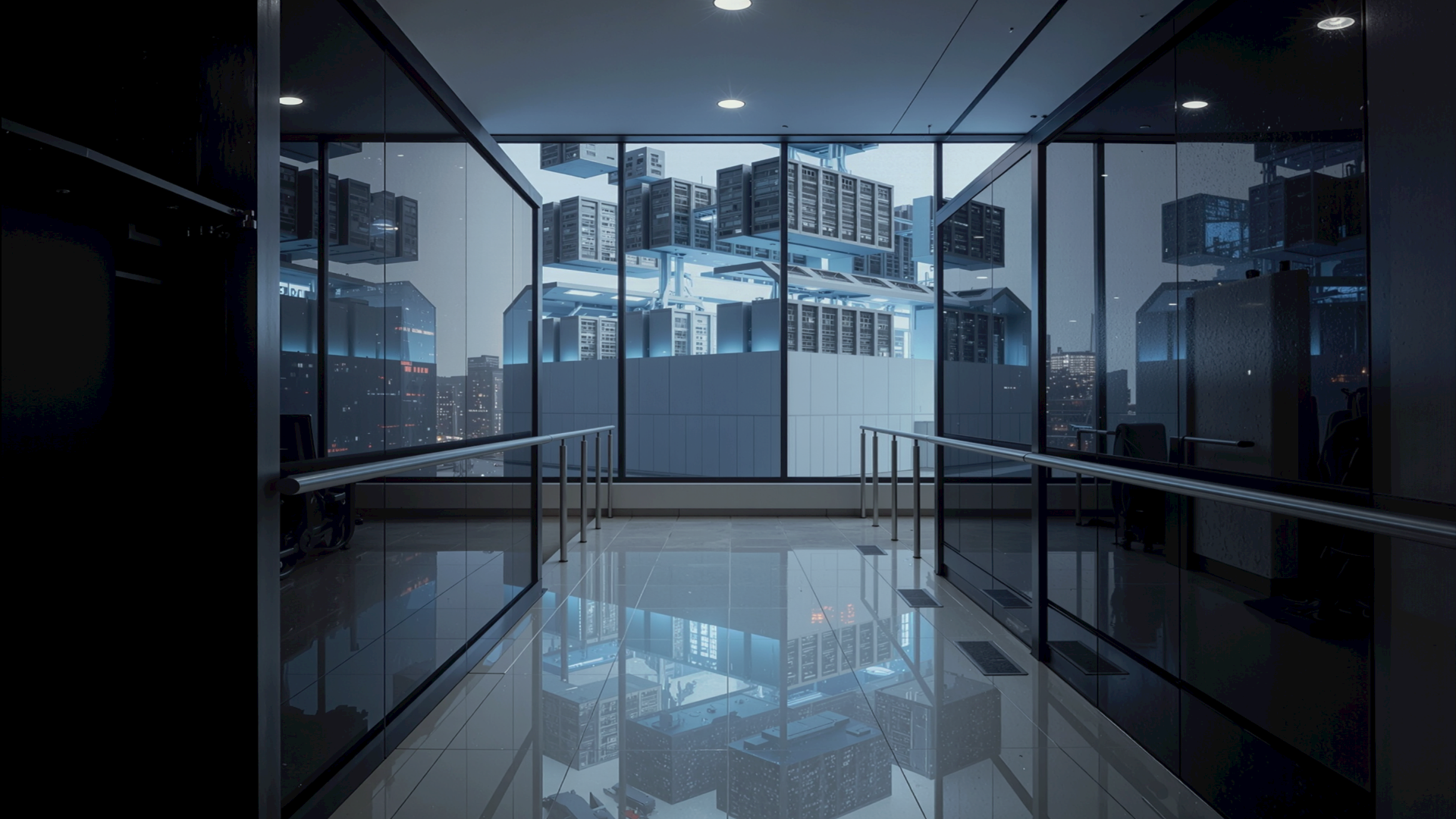
ABB has launched Infinitus for high-density AI data centre infrastructure. The portfolio combines solid-state transformation, DC distribution, protection, and cooling-related electrical equipment from source to rack.
-
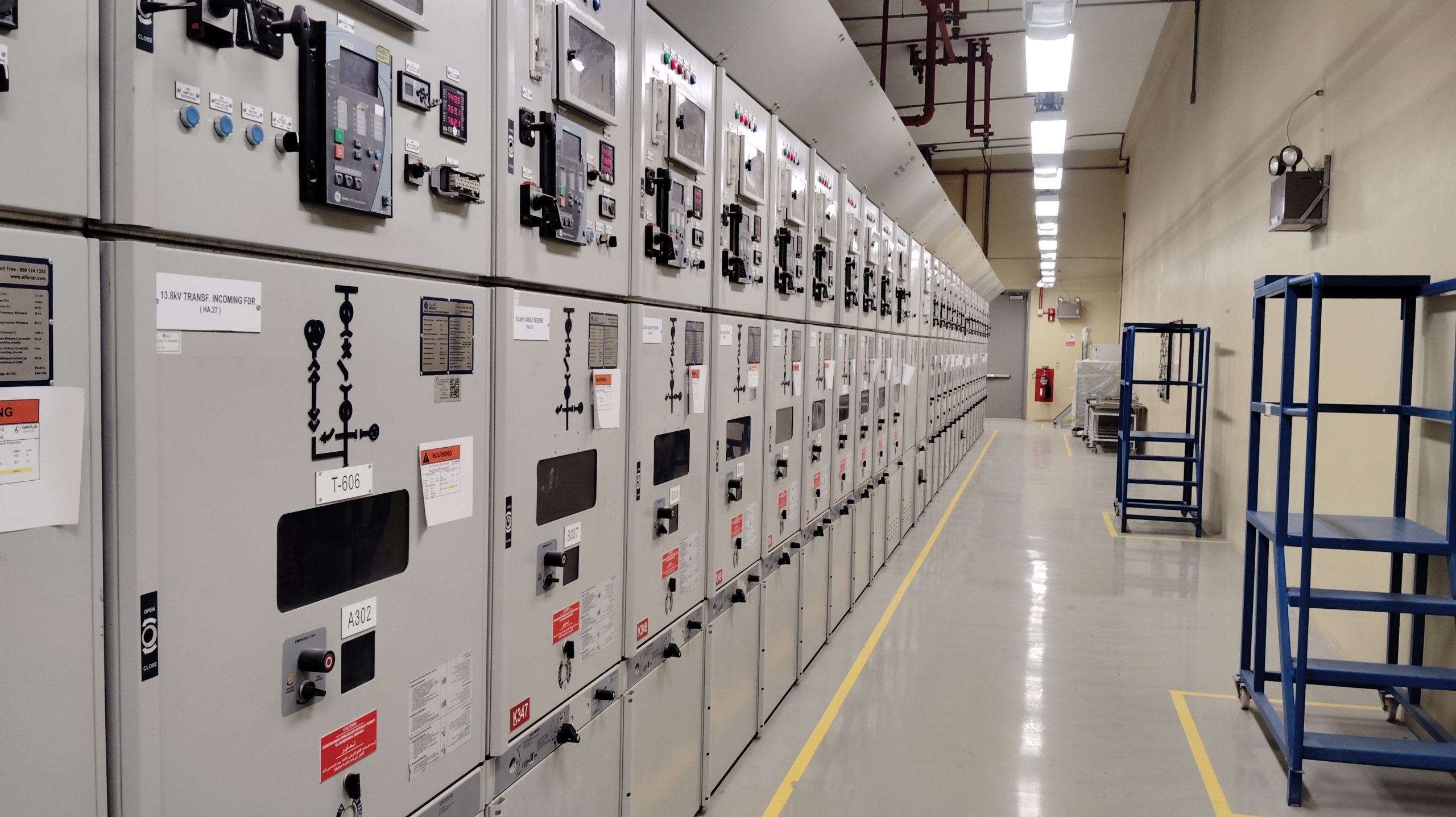
NESO is consulting on further Grid Code restoration changes nationwide. GC0186 covers regional restoration plans, switching capability, testing, data requirements, and transmission-owner treatment.
-
Enel X will optimise Threefold Energy’s commercial battery portfolio nationwide. The five-year deal starts with about 3.5MW of behind-the-meter capacity and could scale towards a 100MW ambition.