
Digitalisation
—
-
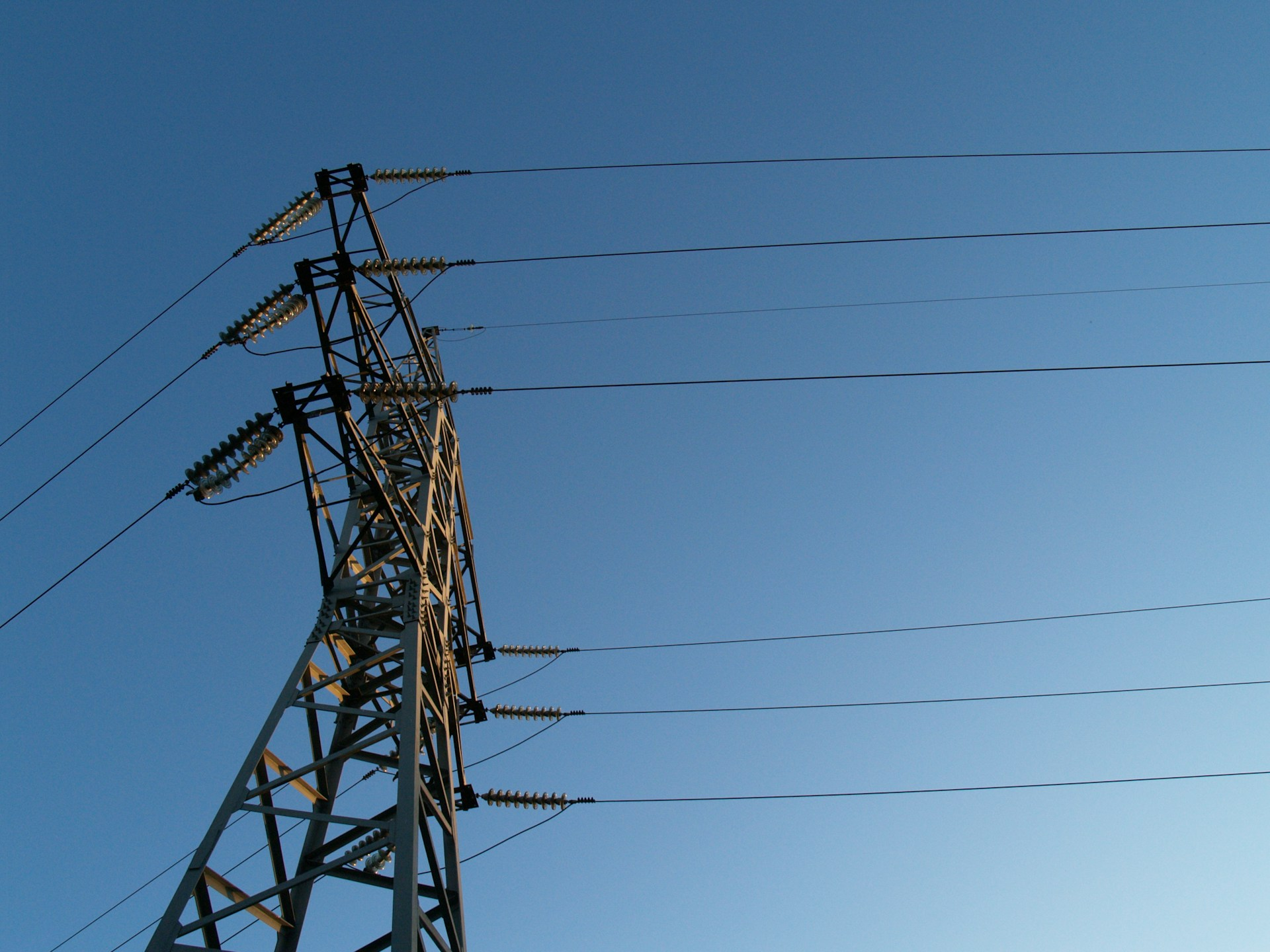
Europe’s network scenarios sharpen the scale of future electrification growth. Rising power demand, hydrogen integration, and declining methane use will shape the next TYNDP cycle for electricity, gas, and hydrogen infrastructure.
-
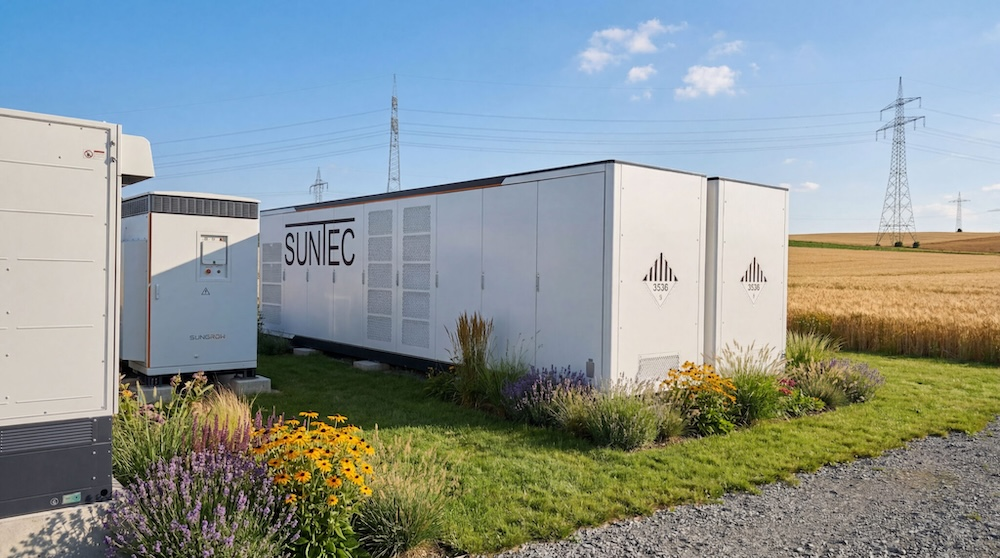
Germany’s grey co-location project links batteries with market optimisation models. Entrix will optimise a solar-plus-storage asset where the battery can charge from both PV and the grid.
-
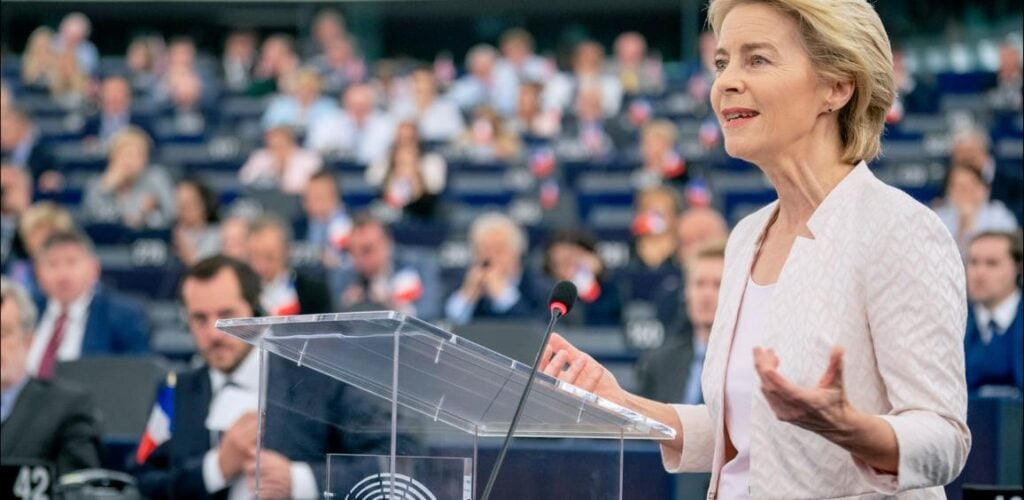
Europe’s inverter restrictions sharpen cybersecurity concerns for grid-connected renewables projects. The EU funding measure could reshape solar procurement, project economics, and supplier risk assessments across European energy infrastructure.
-
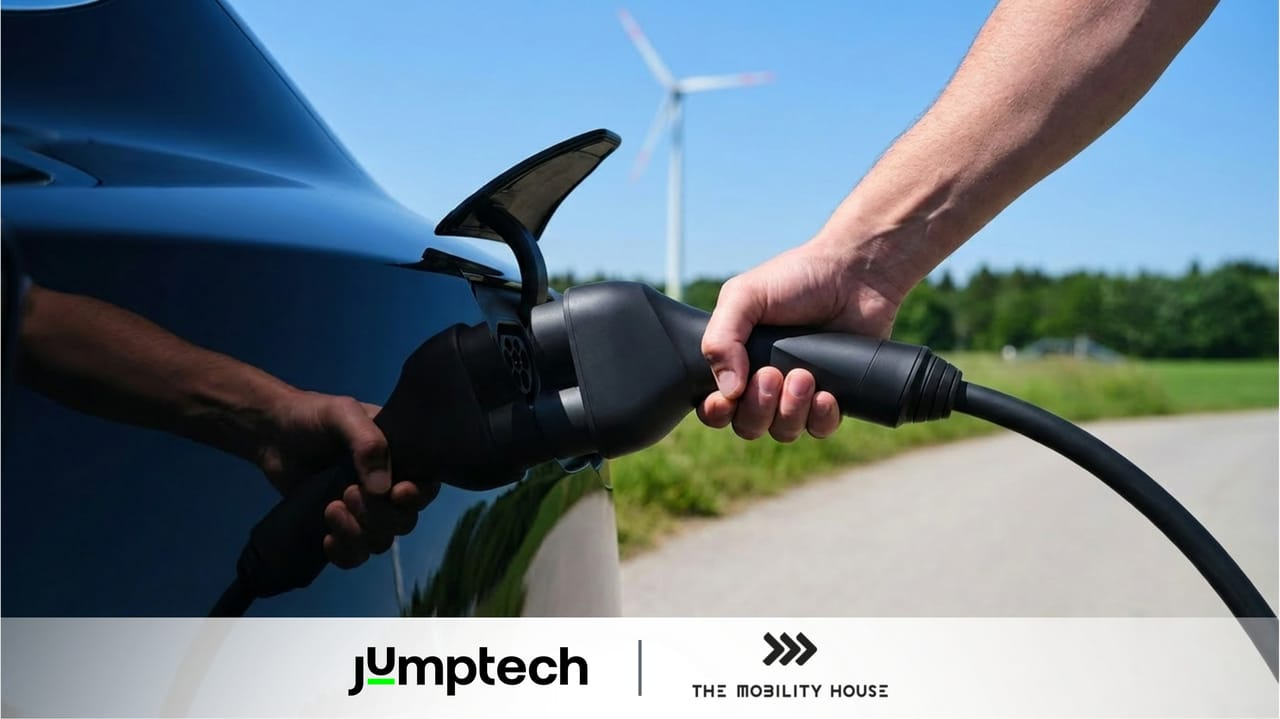
Vehicle-to-grid installation is moving further into managed delivery software workflows. Jumptech will support surveys, installer tasks, evidence capture, job tracking, and local grid-connection processes.
-
Schneider and Kraken are linking grid software with flexibility orchestration. The partnership combines visibility, congestion forecasting, DERMS capability, and AI-led control for utilities and DSOs.
-
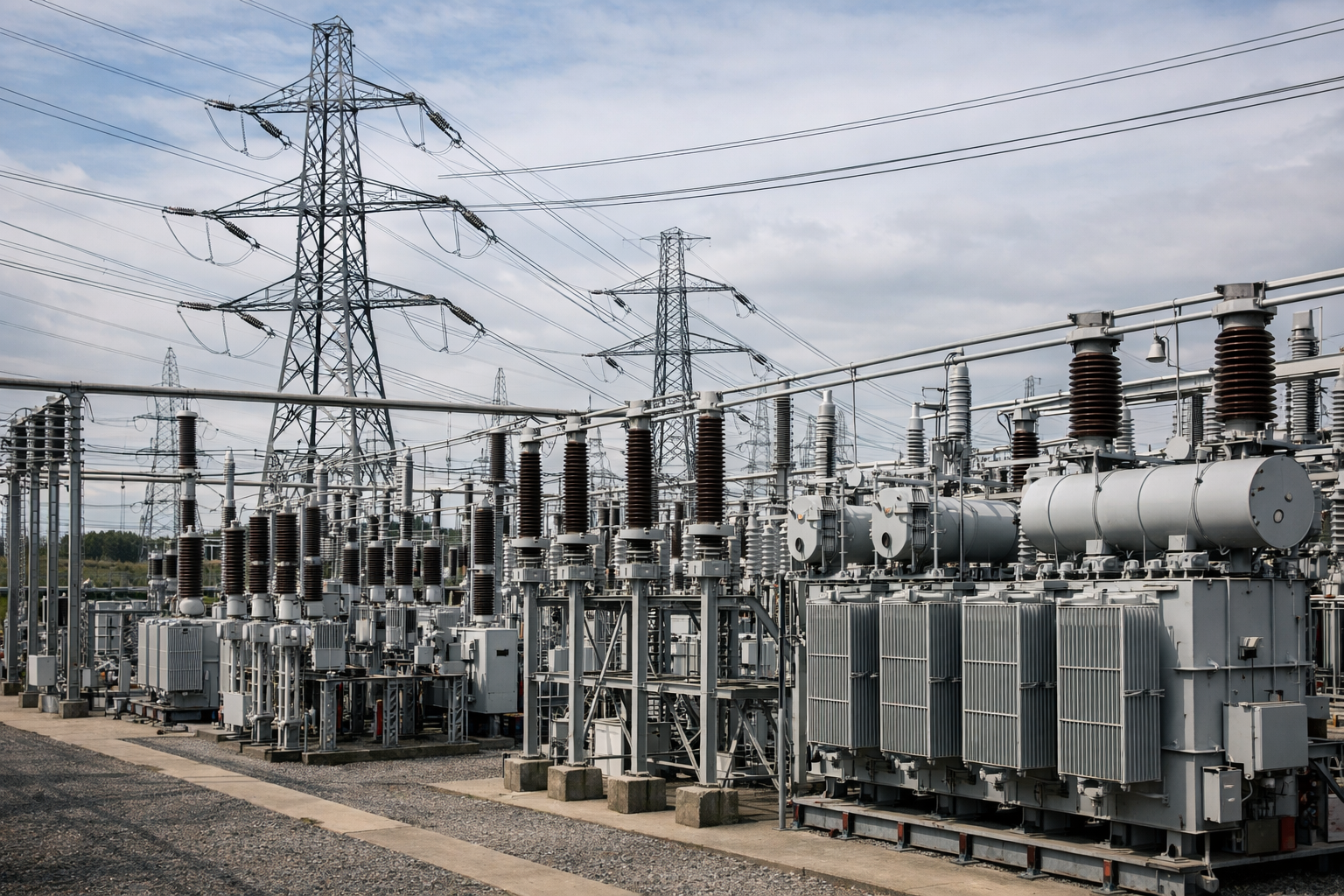
Europe is formalising Mediterranean power infrastructure through new investment structures. T-MED covers renewables, smart grids, interconnectors, storage, cybersecurity, hydrogen corridors, and clean-tech value chains.
-
Energy network innovation funding is targeting digital, cyber, and flexibility. The latest SIF awards support 18 projects across three development phases.
-
Power-to-X grid access is moving beyond bespoke project studies alone. A Danish project will test validated models for electrolysis-heavy systems, focusing on harmonics, disturbances, and network interaction.
-
EDF is widening flexibility access for asset-metered distributed technologies nationwide. P483 allows eligible devices on standard-metered sites to join flexibility markets through dedicated asset meters.
-
EU ministers have backed stronger port electrification and grid integration. The conclusions put onshore power, smart grids, and permitting at the centre of future port infrastructure.