
IN Brief:
- The EU has launched T-MED to support renewable energy, clean technology, and electricity system modernisation across the Mediterranean.
- The initiative is expected to mobilise up to €25bn by 2035 and support 15GW of new renewable energy capacity.
- Grid upgrades, smart-grid technology, interconnectors, cybersecurity, storage, hydrogen corridors, and port infrastructure are included in the programme scope.
The European Commission has launched the Trans-Mediterranean Renewable Energy and Clean Tech Cooperation initiative, placing electricity networks, renewable generation, interconnectors, smart grids, storage, and clean technology manufacturing inside a new regional investment framework.
Known as T-MED, the initiative forms part of the Pact for the Mediterranean and is intended to mobilise up to €25bn by 2035. Its objectives include supporting 15GW of new renewable energy capacity, strengthening regulatory conditions for investment, and creating a structured route for private investors and project promoters to develop bankable energy and clean-tech projects across the region.
Delivery will be channelled through a T-MED Investment Platform, with a formal launch scheduled for October 2026. The platform is designed to bring together EU institutions, financial implementing partners, private investors, and project promoters to identify, structure, and support investments in renewable energy, grid infrastructure, clean technology, and related industrial value chains.
Alongside the investment platform, a Regulatory Accelerator will support clearer grid connection procedures, faster permitting, more transparent tariff systems, stronger regulatory authorities, and more predictable power purchase agreement frameworks. The initiative also includes a skills agenda linked to project delivery, covering technicians, engineers, installers, planners, and financial specialists.
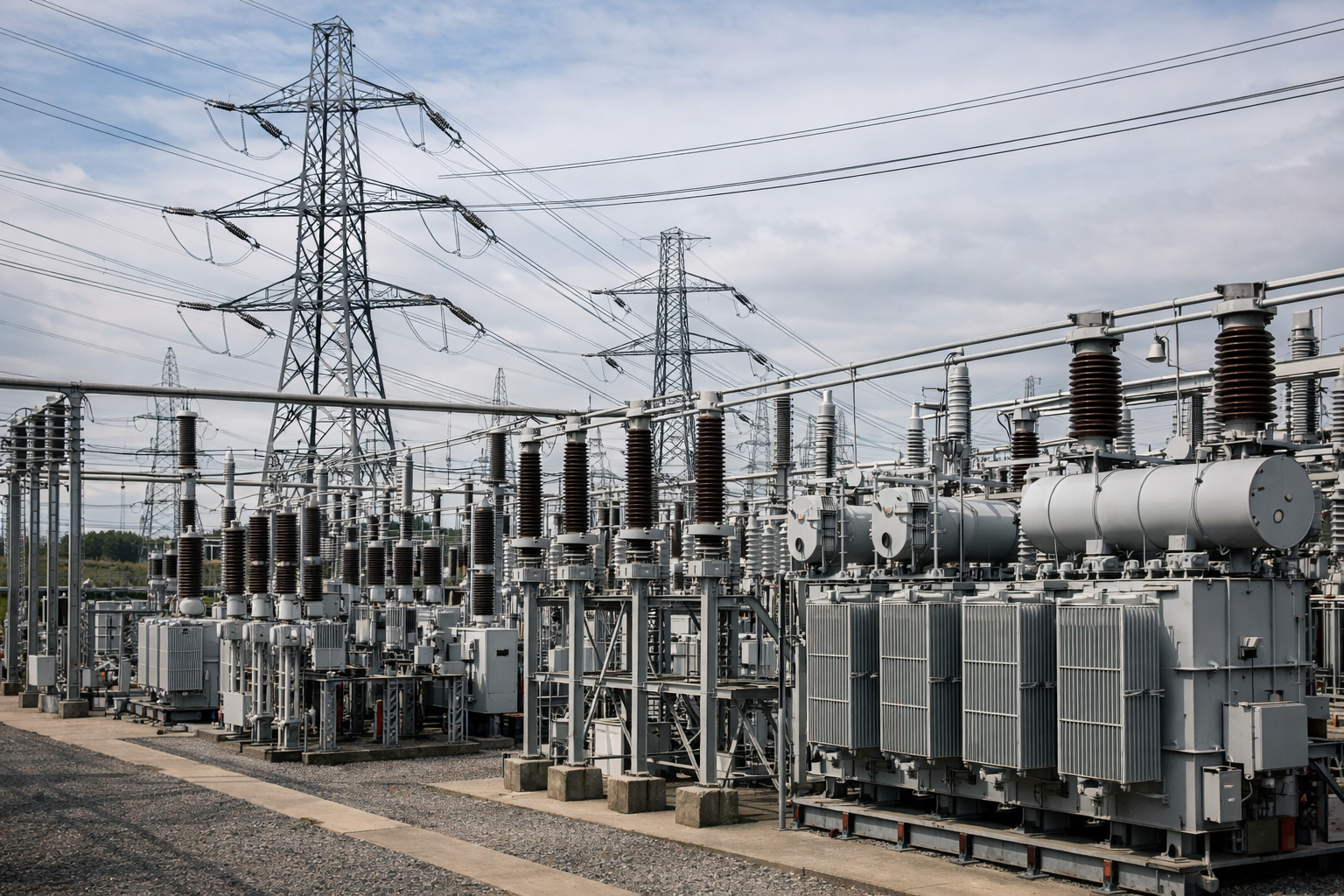
Grid modernisation sits at the centre of the programme. T-MED identifies energy transmission and distribution, smart-grid technologies, cross-border interconnections, cybersecurity, hydrogen corridors, and port infrastructure as priority areas, while also highlighting regional value chains in solar PV, wind components, electrolysers, storage technologies, and grid equipment.
The Mediterranean region has long offered strong renewable resources, but project delivery has often depended on more difficult fundamentals: connection capacity, tariff visibility, planning systems, grid codes, offtake arrangements, and regulatory stability. Solar and wind resources become investable infrastructure only when the surrounding network, market, and permitting conditions are strong enough to support long-term finance.
By bringing generation, grid access, finance, and regulatory support into a single structure, T-MED gives the region a more coherent route from policy ambition to project development. Renewable projects can be technically viable while still stalling because the local network is weak, permitting is slow, or revenue arrangements are too uncertain for lenders.
The initiative also reflects a wider European shift toward treating electricity networks as strategic infrastructure for trade, industry, and energy security. More renewable capacity requires transmission planning, flexible interconnection, operational data, protection coordination, grid-forming capability, cybersecurity, and market rules that allow power to move where it is needed.
The same connection pressure is visible in work around standardised Power-to-X grid access, where electrolysis-heavy industrial loads are already creating sharper requirements around harmonics, disturbances, and network interaction. T-MED operates at a broader policy and finance level, but both developments point to the same constraint: electrification depends on connection quality as much as headline generation capacity.
Clean hydrogen is also part of the infrastructure picture. Hydrogen corridors and port infrastructure are included because Mediterranean renewable resources are likely to be tied not only to power export, but also to industrial molecules, fuels, and feedstocks. That creates a more complex network requirement than a conventional renewables build-out, with electricity networks, electrolyser loads, port systems, storage, and cross-border markets all needing to interact.
Regular calls for expressions of interest will shape how quickly T-MED moves from regional framework to project pipeline. Project promoters can follow Commission information and calls through the official T-MED page.
The initiative’s value will rest on its ability to turn Mediterranean cooperation into connection-ready projects with credible regulatory, technical, and financial foundations. Where those foundations are in place, the region can play a larger role in Europe’s renewable energy and clean-tech supply chain. Where they are absent, grid access will remain the limiting factor.

