IN Brief:
- Hitachi Energy and Samsung C&T have signed an MoU covering high-voltage AC grid infrastructure worldwide.
- The agreement combines grid technology, digital systems, engineering, and EPC delivery capability.
- It reflects rising demand for transmission, flexibility, and cross-border network reinforcement.
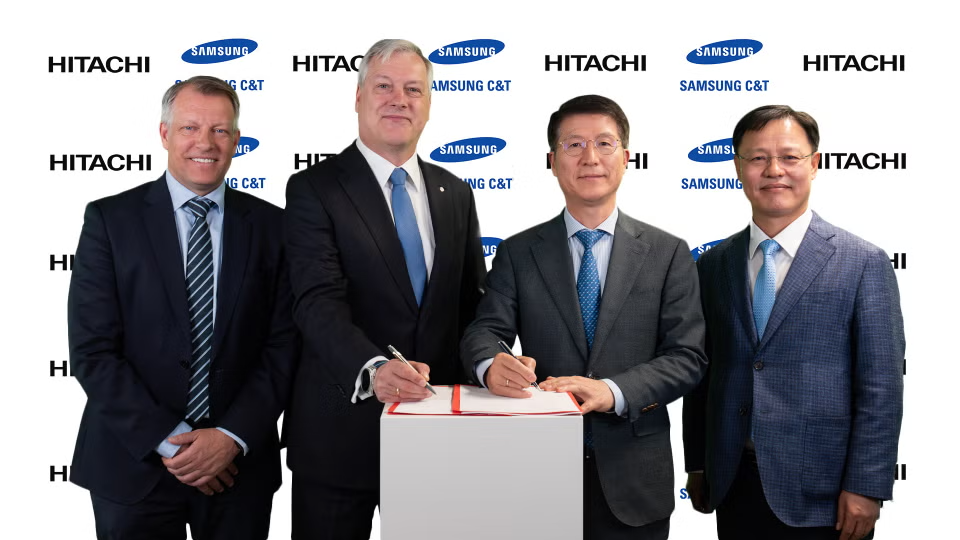
Hitachi Energy and Samsung C&T Engineering & Construction Group have signed a memorandum of understanding to deepen collaboration on high-voltage alternating current grid infrastructure worldwide, widening a partnership that had already been active in major transmission work. The agreement sets out a framework for the companies to identify, assess, and pursue AC opportunities together, combining Hitachi Energy’s grid technologies, engineering, electrical systems, and digital platforms with Samsung C&T’s engineering, procurement, and construction capability.
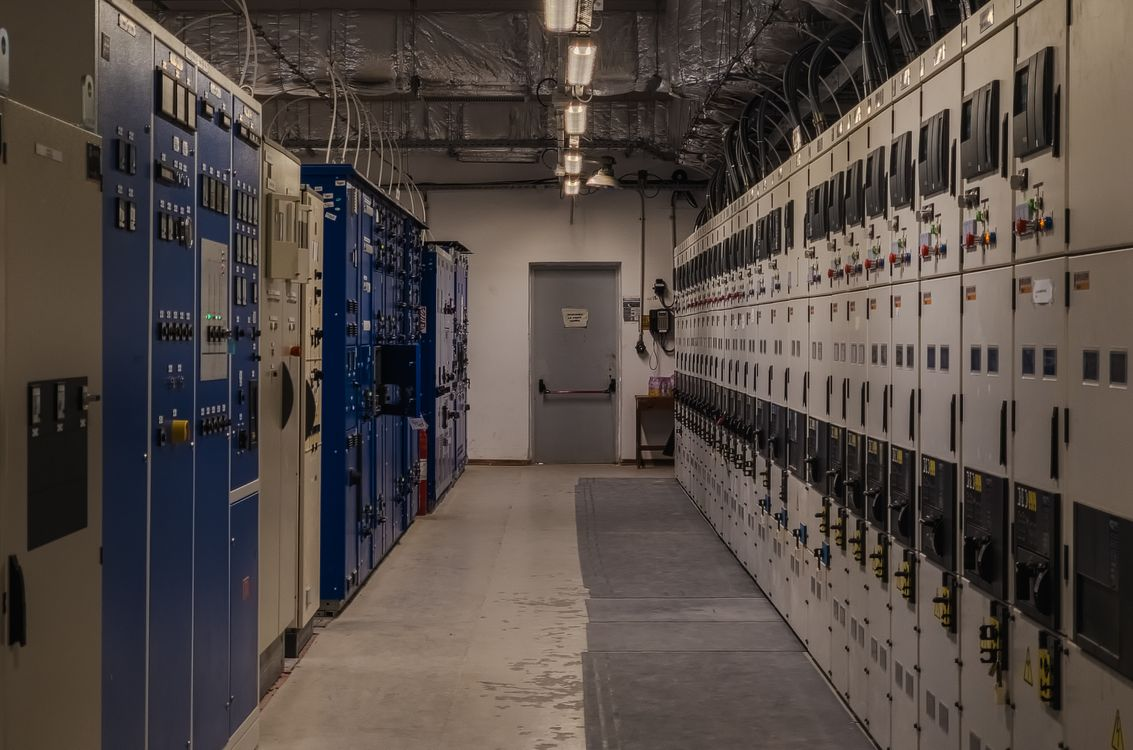
The immediate significance of the move lies in where it places the industry’s emphasis. Grid headlines often gravitate toward ultra-long HVDC links, interconnectors, and flagship subsea projects, but day-to-day power-system expansion still depends heavily on AC infrastructure: substations, transformers, switchgear, system studies, grid control, reactive power management, and reinforcement across existing transmission and distribution networks. Hitachi Energy and Samsung C&T have made that explicit by positioning the expanded partnership around resilient and flexible AC grid infrastructure, with a stated focus on supporting clean energy integration and cross-border electricity flows.
The companies are not starting from zero. Their collaboration already has a track record in international power infrastructure projects, including work in the UAE and Australia, while earlier cooperation had been framed around the fast-growing HVDC market. The new agreement broadens that picture by adding a shared go-to-market roadmap and an opportunity pipeline for AC projects. That is a notable shift because it points to a market that increasingly wants bundled delivery: technology, detailed engineering, digital systems, and construction capacity assembled in one commercial structure rather than split across a loose chain of suppliers and contractors.
That change mirrors the pressures now building across global electricity networks. Demand is rising again as transport electrifies, industrial loads shift, heat pumps spread, and data-centre development adds a new layer of high-capacity demand. The IEA expects global electricity demand growth of 3.3% in 2025 and 3.7% in 2026, while EU demand is forecast to grow by around 2% a year through 2030. At the same time, renewables continue to add variability to the system, placing more weight on flexibility, control, and the ability of transmission and distribution assets to absorb new power flows without sacrificing stability.
That is where AC infrastructure becomes harder to treat as background equipment. In many mature electricity markets, the constraint is no longer whether generation can be built but whether existing networks can move, manage, and control the power being produced. That places a premium on grid automation, outage management, asset visibility, system protection, and the software layers that increasingly sit alongside primary plant. Hitachi Energy’s own position in that market has strengthened in recent years, including recognition by ARC Advisory Group as the global market share leader in grid automation products and services for electric power transmission and distribution utilities.
For Europe in particular, the partnership also lands in a period when transmission buildout has become bound up with industrial policy and energy security as much as decarbonisation. More renewables on the system raise the value of strong internal networks and more capable cross-border flows. The same is true of electrified industrial sites, large commercial developments, and transport infrastructure, all of which rely on AC substations and reinforcement work long before they touch a direct-current megaproject. In that environment, an EPC contractor with global delivery experience and a grid technology provider with deep automation and systems expertise are not offering adjacent services. They are increasingly offering different halves of the same package.
The agreement does not announce a specific European project, but it is still an informative market signal. It suggests that the next wave of grid competition will not be fought only on equipment specification or contractor scale in isolation. It will be fought on how well companies can combine hardware, software, engineering depth, and build capability into something that utilities and developers can actually deliver at pace. On that reading, the Hitachi Energy-Samsung C&T deal says as much about where grid infrastructure procurement is heading as it does about the two companies themselves.