
IN Brief:
- Bulgaria plans a 250m-to-300m levee beside Kozloduy Nuclear Power Plant.
- Construction is expected to require around 10 to 15 days once detailed design is settled.
- Unit 5 was reduced by about 120MW after critically low Danube levels affected operating margins.
Kozloduy Nuclear Power Plant is set to receive new water-protection infrastructure on the Danube after critically low river levels forced a precautionary reduction in output from Unit 5. Bulgaria’s energy ministry is progressing a levee beside the site while engineers continue to manage cooling-water access during the prolonged low-water period.
Energy Minister Iva Petrova said the proposed structure is expected to be between 250m and 300m long, with its final length to be determined during detailed design. Construction is expected to take around 10 to 15 days once the selected option is finalised. Alternative measures, including transferring water from internal reservoirs to the plant, have also been examined.
The infrastructure response follows an unprecedented operating event at Kozloduy. Unit 5, one of the site’s two approximately 1,000MW reactors, had its output reduced by about 120MW on 21 August as a preventive measure after the Danube reached critically low levels. It was the first time in the plant’s 52-year operating history that output had been reduced for this reason.
A slight rise in river level subsequently allowed the unit to continue operating at about 91.4% of capacity, but the episode exposed the practical dependence of large thermal power stations on reliable access to cooling water. At Kozloduy, Danube water is used in the conventional, non-nuclear side of the plant to cool steam in the condensers. It is not used directly as reactor cooling water.
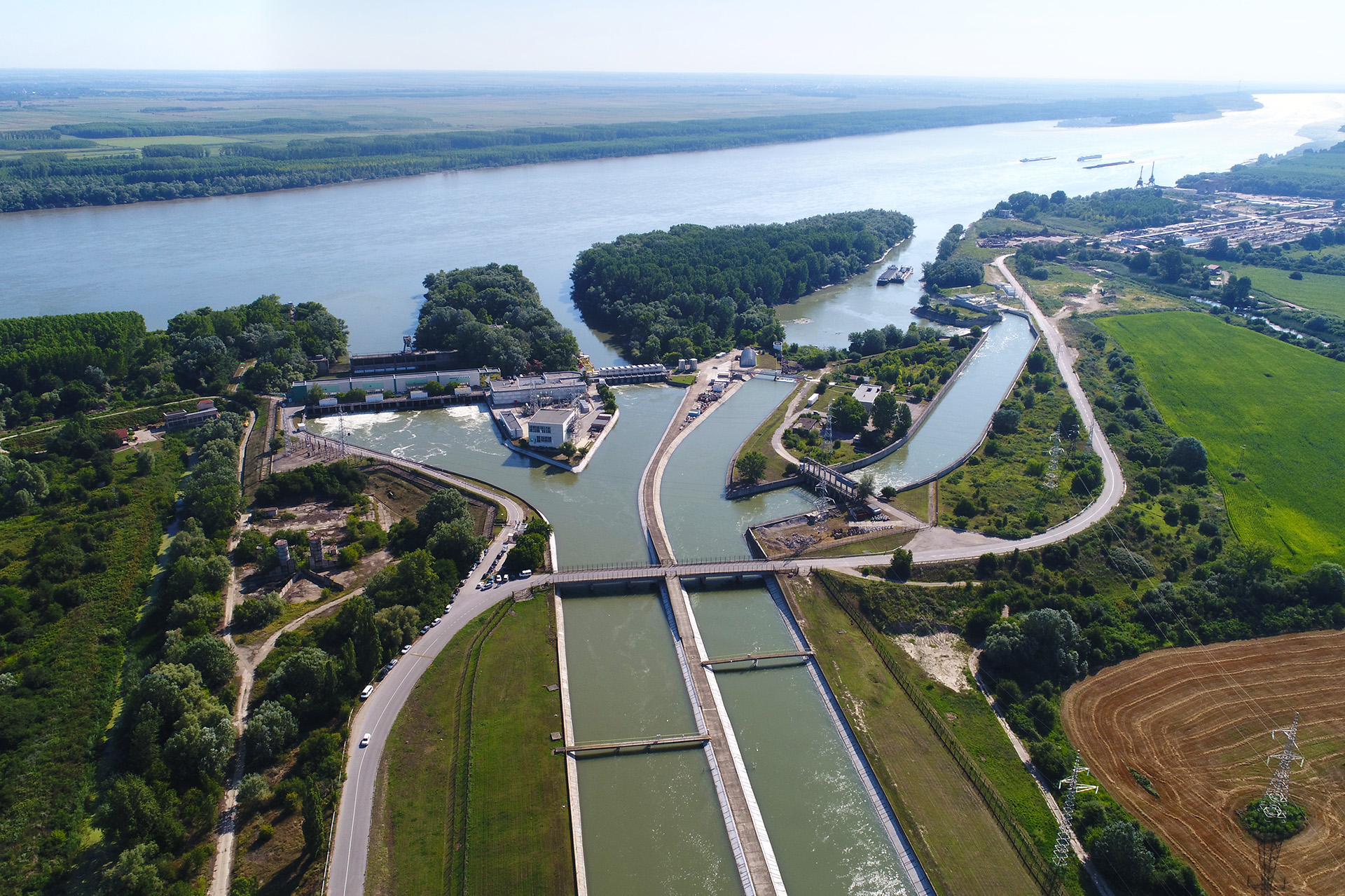
The plant uses a riverside pumping station to supply water to its circulating-water and technical-water systems. Low river levels can reduce the hydraulic margin available to those installations, particularly when prolonged drought changes channel conditions or limits the depth available at pump intakes. Operators can respond with channel clearance, pump management, and temporary operating restrictions, but persistent low water can eventually require a more durable civil-engineering solution.
The proposed levee is intended to form part of that longer-term response. The published information does not yet provide a detailed hydraulic design, so the precise operating principle should not be assumed. Any permanent river work will nevertheless have to account for local hydraulics, sediment movement, bank stability, flood behaviour, and the effect of the structure on the intake environment.
Speed of construction will be another constraint. A stated programme of 10 to 15 days is short for river engineering, suggesting that the selected design will need to rely on comparatively straightforward construction methods if the timetable is maintained. Working beside an operating nuclear power station also places additional requirements on access, quality control, monitoring, and coordination with plant operations.
The low-water event has system implications because Kozloduy is Bulgaria’s largest electricity-generating site and provides more than one third of the country’s annual electricity production. Petrova said Bulgaria was consuming about 90,000MWh of electricity per day while producing roughly 130,000MWh and exporting around 31,000MWh, indicating that the temporary Unit 5 reduction did not create an immediate national supply deficit.
That margin does not make the engineering problem trivial. Baseload nuclear units are expected to operate at high availability, and even a relatively modest derating can become more consequential if it persists through periods of high demand or coincides with outages elsewhere on the system. Hydrological constraints can also affect hydroelectric and other thermal generation at the same time, creating correlated rather than isolated system risk.
Kozloduy had already established a task force and operating programme to manage falling Danube levels before the output reduction. Measures included maintaining pumps and hydraulic facilities and keeping the channels serving the riverside pumping station available. The move towards a new levee indicates that the response is now extending beyond operational procedures into physical infrastructure.
The distinction matters because temporary derating can protect equipment and preserve safe operating margins, while infrastructure investment attempts to reduce the probability that the same external condition will force repeated output restrictions. For a nuclear plant, comparatively small civil works around water access can have a disproportionate value if they protect hundreds of megawatts of dependable generation.
The episode also shows why cooling-water systems sit firmly inside power-system resilience planning. Nuclear generation is often described as weather-independent compared with wind and solar, but large thermal stations still rely on heat rejection. Where that depends on rivers, extreme low flows or high water temperatures can become constraints even when the reactor systems themselves remain available.
The immediate river level may recover before construction is complete, but that would not remove the significance of August’s event. Kozloduy has already demonstrated that an extreme hydrological condition can reach far enough into the conventional cooling system to affect electrical output. The next test is whether the selected Danube works can be designed and delivered quickly enough to give the plant a larger operating margin before another prolonged low-water episode arrives.

