
Electrical Engineering
—
-
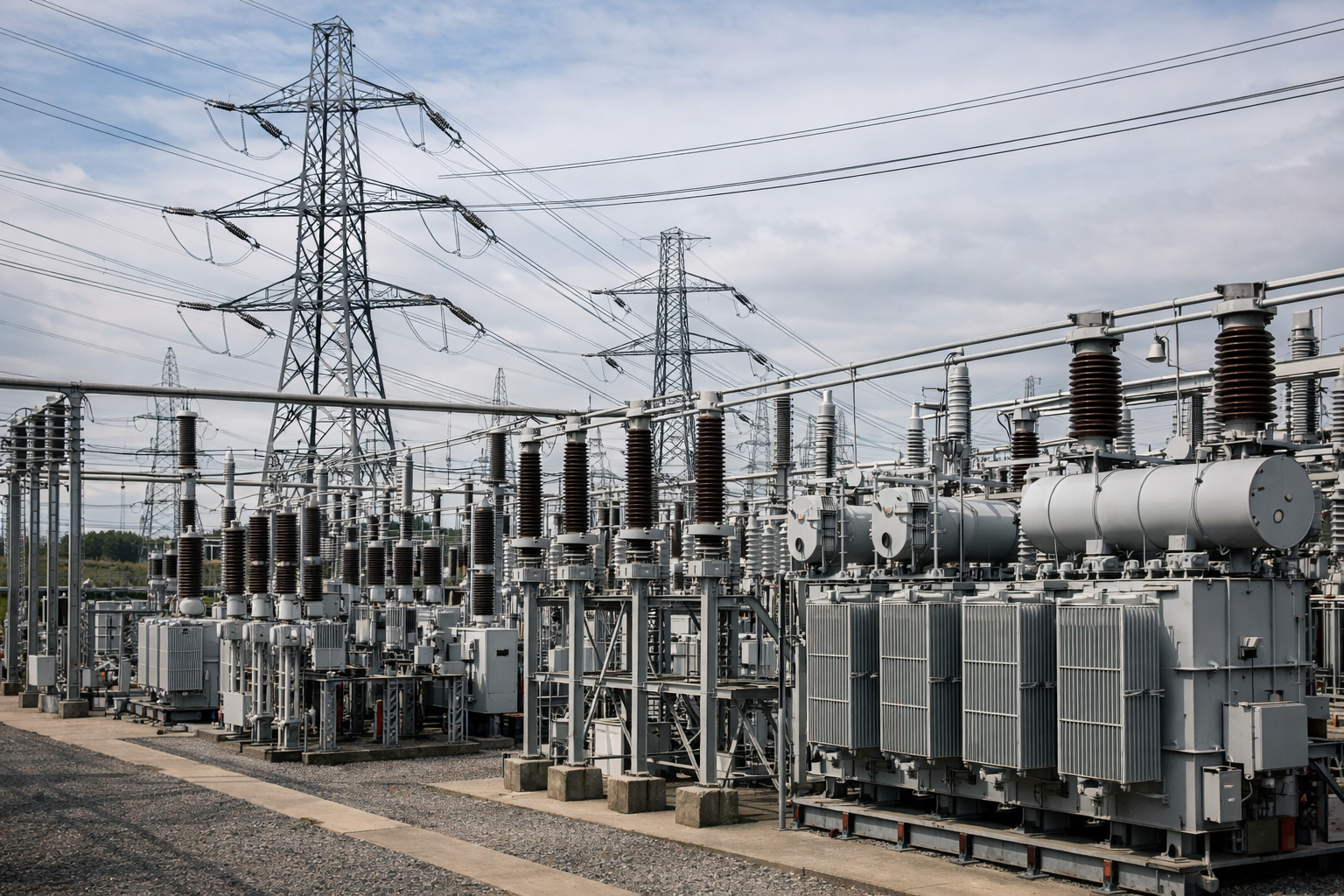
Hybrid storage is moving beyond batteries into faster grid control. Acciona Energía is pairing lithium-ion capacity with ultracapacitors to deliver rapid frequency, voltage, and virtual-inertia support at renewable sites in Navarra.
-
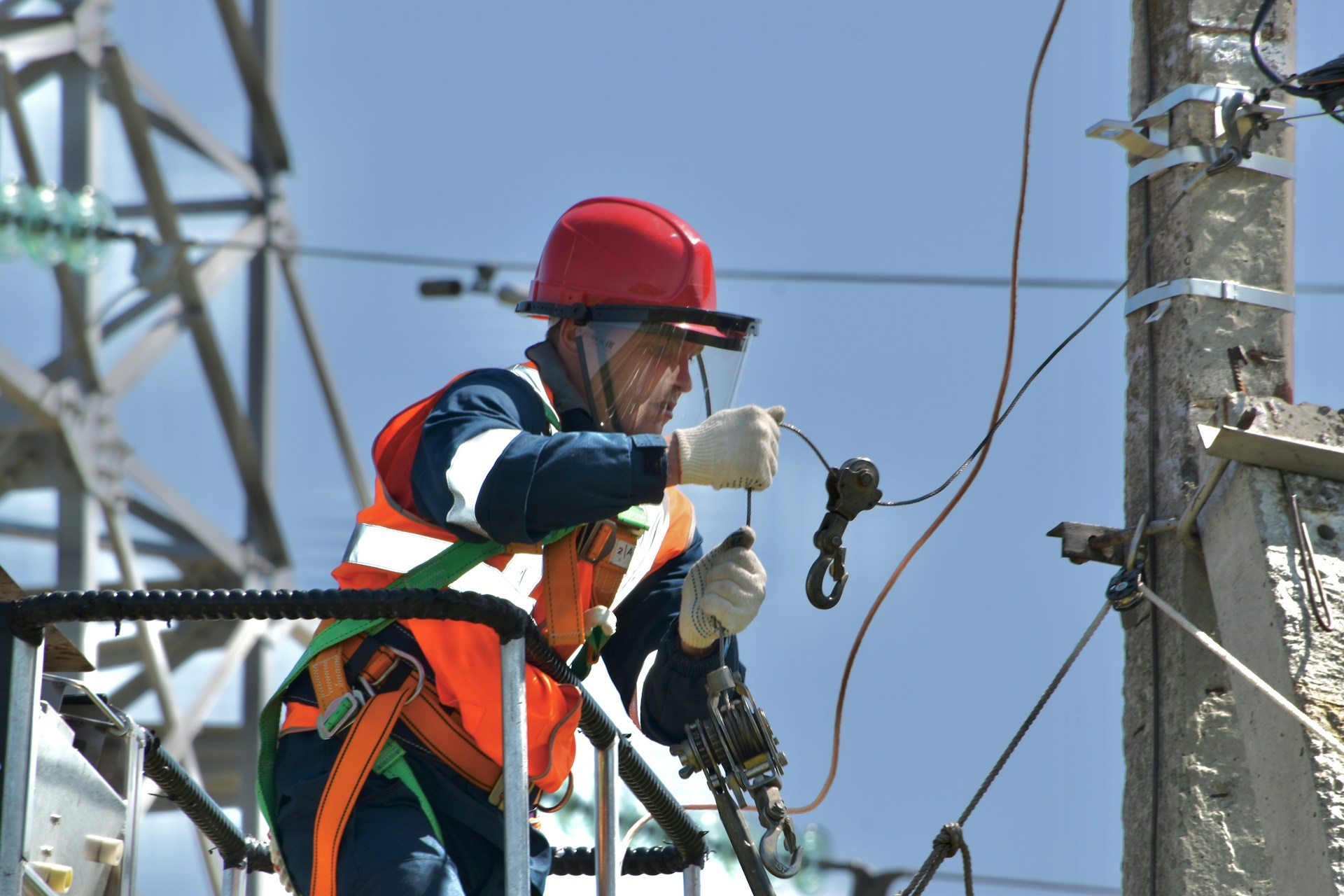
JIB has taken electrical competence standards directly into Parliament again. Its intervention links clean-energy investment with verified skills, safety, fair employment, and structured workforce development.
-

Siemens has introduced semiconductor-based circuit protection to Britain’s market portfolio. SENTRON ECPD combines rapid fault interruption with switching, measurement, communication, diagnostics, and remote operational functions.
-
Omron’s new IP67 supplies move DC conversion onto machinery directly. The S8NR range combines machine mounting, protected outputs, local diagnostics, and IO-Link communication across ratings up to 600W.
-

NAPIT has outlined safeguards needed for safe plug-in solar deployment. Its response addresses certification, older wiring, socket selection, DNO notification, consumer guidance, and enforcement against non-compliant imports.
-
Fidra has closed financing for West Burton C battery construction. The 500MW/1.1GWh project will use a 400kV connection, Sungrow equipment, and H&MV Engineering-led electrical delivery.
-
Chint has started construction on two German battery storage projects. The 60MWh programme covers sites in Saxony and Brandenburg, with turnkey delivery and long-term maintenance included.
-

ABB will acquire Advantics to strengthen its direct-current conversion portfolio. The French company’s silicon-carbide hardware and controls will support microgrids, storage, data centres, generation, and EV infrastructure.
-

Electrical skills shortages are tightening around Britain’s data-centre development pipeline. ECA and BESA have convened contractors, government, training bodies, and infrastructure specialists to address commissioning, cable jointing, apprenticeships, workforce forecasting, and specialist competence.
-

BEAMA warns environmental reporting design could impose disproportionate manufacturing costs. Its research supports consistent product data while arguing for multiple compliant routes, established lifecycle standards, and assessment methods suited to complex electrotechnical portfolios and supply chains.