IN Brief:
- CU Phosco is expanding its Global Design Check service for telecommunications support structures.
- Reviews cover proposed equipment loading, wind and environmental forces, foundations, condition, and applicable standards.
- The service supports towers, monopoles, rooftops, platforms, headframes, columns, and shared smart-pole infrastructure.
CU Phosco is expanding the use of its Global Design Check service to verify the structural capacity of telecommunications towers, monopoles, rooftop frames, platforms, and related support infrastructure.
The independent engineering assessment determines whether an existing structure can carry proposed antennas, radio equipment, cables, access systems, and associated additions while remaining within applicable standards and safety margins.
Each review considers the condition and available capacity of the asset, the weight and position of the proposed equipment, wind and environmental forces, foundation integrity, structural connections, and the design codes applied to the original and modified structure.
The resulting verification can support approvals before equipment is installed or a third-party design is accepted. It also provides a controlled record of the loading assumptions and structural checks used to authorise the work.
CU Phosco has more than 40 years of experience in telecommunications structures and provides assessments for mobile network operators, tower owners, contractors, consultants, and infrastructure managers in the United Kingdom and international markets.
The service covers lattice towers, monopoles, columns, rooftop support frames, headframes, platforms, and bespoke structures. Each asset class presents different load paths, access arrangements, corrosion exposure, foundation conditions, and sensitivities to additional equipment.
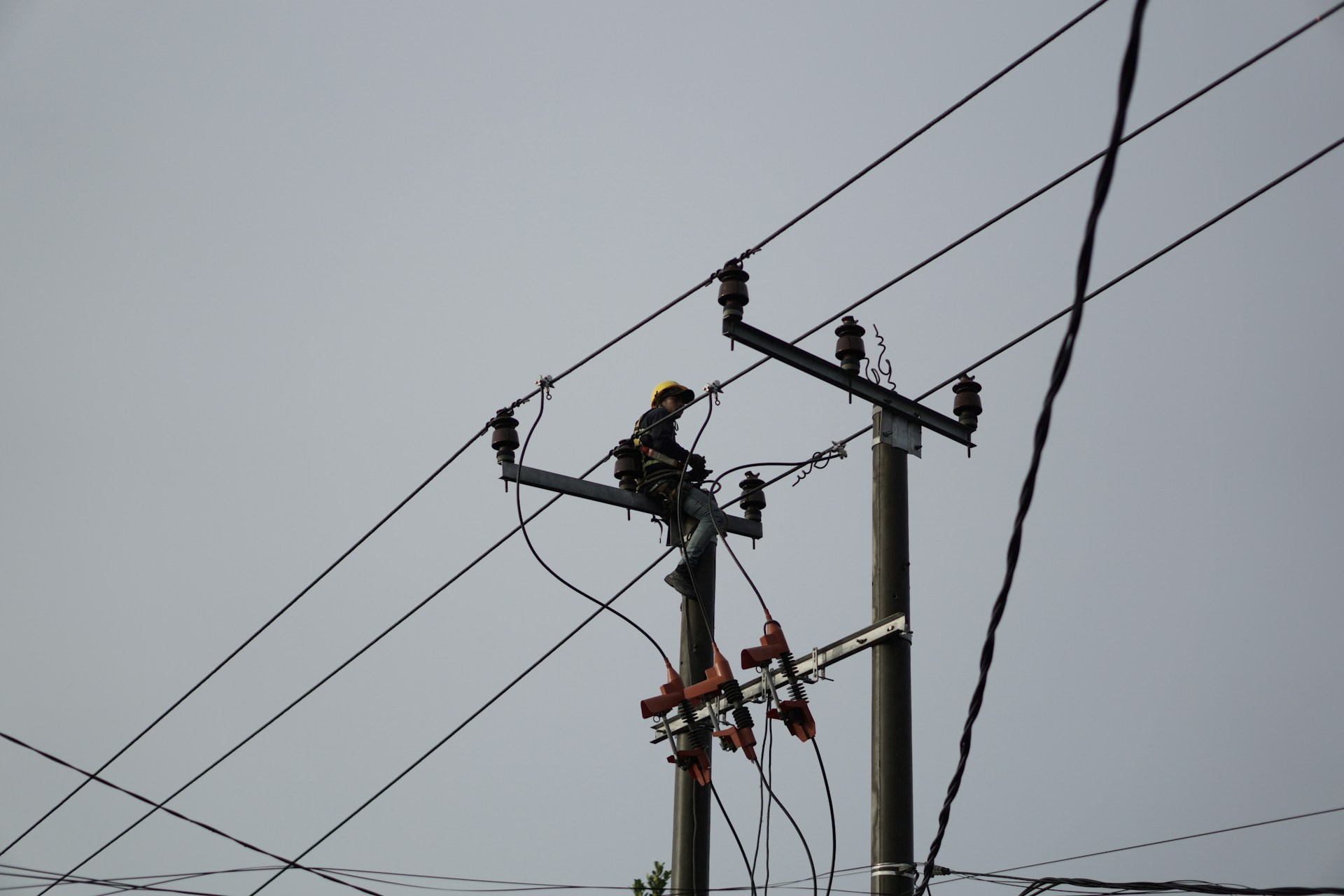
Telecommunications upgrades may add antennas with larger projected areas, remote radio units, feeder or fibre routes, GPS equipment, cabinets, brackets, and maintenance platforms. Even modest additional mass can increase bending moments, torsion, foundation reactions, and local connection forces when equipment is mounted high on the structure.
Digital capacity depends on physical infrastructure
Mobile networks are becoming denser as operators expand 4G and 5G coverage, add frequency bands, and increase capacity. Every radio system remains dependent on a physical structure capable of carrying equipment through wind, corrosion, temperature variation, vibration, maintenance activity, and accidental loading.
Structural verification consequently forms part of electrical and communications change control. A new radio installation may satisfy its own electrical and functional requirements while imposing unacceptable stress on the tower, brackets, foundations, or supporting building.
The complete asset must therefore be assessed rather than each equipment package considered in isolation. Wind loading often governs tall and exposed structures because antennas, dishes, cable ladders, and platforms increase projected area, while their position determines the leverage applied to the mast and foundation.
Changes in equipment orientation can alter torsional loading and redistribute forces through legs, bolts, welds, anchors, and baseplates. The design check must reflect the installed configuration rather than relying solely on equipment mass.
Rooftop sites introduce an additional interface with the host building. A support frame may remain adequate while the roof structure, ballast, fixings, waterproofing, or load distribution does not.
Verification may therefore require original drawings, intrusive surveys, material checks, and coordination with the building owner. Where reliable records are unavailable, the assessment must account for uncertainty rather than assuming that the existing construction matches its nominal design.
Condition also affects available capacity. Corrosion, fatigue, loose fasteners, damaged coatings, foundation deterioration, unrecorded additions, and earlier modifications can reduce the structural margin shown in original calculations.
Inspection data needs to be sufficiently current to represent the asset that exists on site. Calculations based on outdated drawings can provide false assurance where deterioration or cumulative additions have materially changed the structure.
Shared towers and rooftops create particular record-management challenges because several operators may add or replace equipment over many years. Without controlled loading schedules, the accumulated configuration can diverge substantially from the arrangement originally approved.
The same discipline applies to multi-use columns and smart poles carrying lighting, telecommunications, sensors, and connected infrastructure. Each function adds equipment, cables, access requirements, thermal loads, earthing provisions, and maintenance interfaces.
Shared structures can reduce streetscape clutter and repeated civil work, but they concentrate operational responsibilities. Lighting authorities, mobile operators, highways teams, technology providers, electrical contractors, and maintenance organisations may each control different systems on the same asset.
Ownership of structural limits, isolation, access, inspection, and modification records must therefore be established before installation. Unclear boundaries can delay maintenance or permit one operator’s work to compromise equipment owned by another.
Repeated upgrade programmes can benefit from standardised loading data, current drawings, digital asset records, and agreed calculation methods. Consistency can shorten approval times without reducing engineering scrutiny, whereas incomplete surveys and changing equipment schedules tend to move delay into the construction phase.
Independent verification also provides a common technical basis between equipment suppliers and asset owners. Suppliers define the loads and interfaces created by their equipment, while owners retain responsibility for the support structure and foundations.
As telecommunications infrastructure carries more industrial, transport, public-safety, and operational data, structural failure can interrupt services well beyond the damaged site. Inspection, corrosion control, accurate records, controlled modification, and preserved spare capacity therefore form part of network resilience.
Further information and service enquiries are available through CU Phosco’s structural-verification page.