IN Brief:
- Björn Twiehaus will become chief executive of the WAGO Group on 15 September 2026.
- He succeeds interim chief executive and chief financial officer Jürgen Koopsingraven.
- WAGO’s portfolio spans electrical interconnection, interface technology, power supplies, controllers, software, and industrial automation.
WAGO has appointed Björn Twiehaus as chief executive of the WAGO Group, with the 48-year-old executive due to take up the role on 15 September 2026.
Twiehaus will succeed Jürgen Koopsingraven, who has served as interim chief executive alongside his position as chief financial officer. Koopsingraven will return his full attention to the finance function once the transition is complete.
Based in Minden, Germany, the family-owned manufacturer employs around 9,000 people worldwide. Its portfolio includes spring-pressure connection technology, terminal blocks, interface modules, power supplies, controllers, input/output systems, software, and automation equipment.
Those products are used across buildings, manufacturing, energy, transport, infrastructure, process industries, and machine construction, giving the group exposure to both conventional electrical markets and expanding digital-control applications.
Twiehaus previously served as chief executive of mechatronics specialist Marquardt. Before that appointment, he spent more than two decades at FORVIA HELLA, where his responsibilities included senior leadership of the electronics business and work across electromobility, connectivity, and automated driving.
He studied mechanical engineering at Osnabrück University of Applied Sciences before completing further studies in business administration. His background spans product development, industrial operations, international sales, technology investment, and high-volume electronics manufacturing.
The appointment comes as connection and automation suppliers move further into energy data, communications, and software. Traditional products such as terminals, relays, power supplies, and interface modules increasingly operate alongside programmable controllers, industrial Ethernet, remote input/output, cloud interfaces, and cybersecurity systems.
Component suppliers move deeper into system integration
Electrical connections are sometimes treated as low-complexity elements, although poor termination remains a persistent source of heat, intermittent faults, downtime, and maintenance. Spring-pressure designs are intended to preserve contact force without routine retightening, particularly where vibration, thermal cycling, or conductor movement can affect conventional screw terminals.
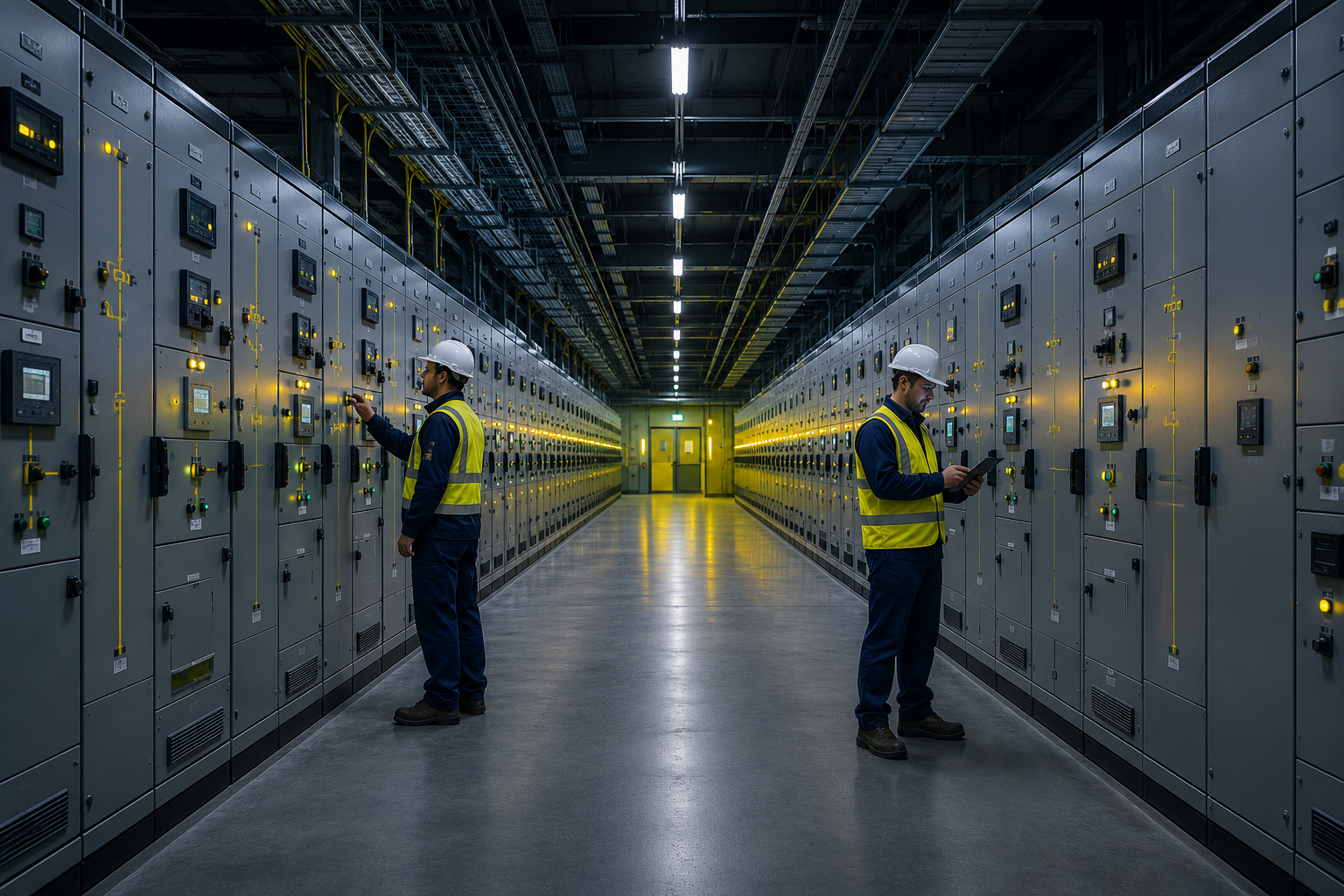
The equipment surrounding those connections has become more demanding. Control cabinets now accommodate higher data volumes, compact power conversion, safety functions, remote diagnostics, and networked devices within restricted space.
Heat dissipation, electromagnetic compatibility, identification, test access, cable management, and maintainability therefore influence product selection alongside current, voltage, and environmental ratings.
Automation suppliers are also being drawn into energy management. Buildings and industrial sites increasingly collect meter data, monitor demand, control plant, coordinate onsite generation, respond to tariffs, and exchange information with external platforms.
Controllers and distributed input/output systems provide the interface between physical electrical equipment and software used to schedule or optimise operation. As those functions converge, suppliers must support both installation hardware and the communications architecture surrounding it.
Different product lifecycles create a substantial management challenge. A terminal block or interface module may remain in service for decades, while protocols, operating systems, security certificates, cloud platforms, and software dependencies change much faster.
Manufacturers need to support long-lived installed equipment without allowing digital interfaces to become obsolete or insecure. Clear support periods, firmware availability, configuration tools, migration routes, and vulnerability processes now influence the usable life of networked hardware.
Cybersecurity has consequently become part of product lifecycle management rather than an optional software feature. Networked controllers require secure defaults, access controls, update mechanisms, vulnerability disclosure, and documentation that allows operators to maintain protection without interrupting critical plant.
Supply-chain resilience will remain another leadership priority. Connection and automation products depend on copper, polymers, semiconductors, electronic components, tooling, and specialised production equipment.
Maintaining availability across a broad catalogue requires alternative sourcing, inventory discipline, design control, and clear communication when components or products change. Customers also expect form, fit, function, and certification to remain controlled when substitutions become necessary.
Electrification is expanding demand across markets that previously sat further apart. Electric-vehicle infrastructure combines distribution equipment, charging controls, communications, and energy management, while battery systems require dependable interfaces between cells, inverters, protection, control, and monitoring.
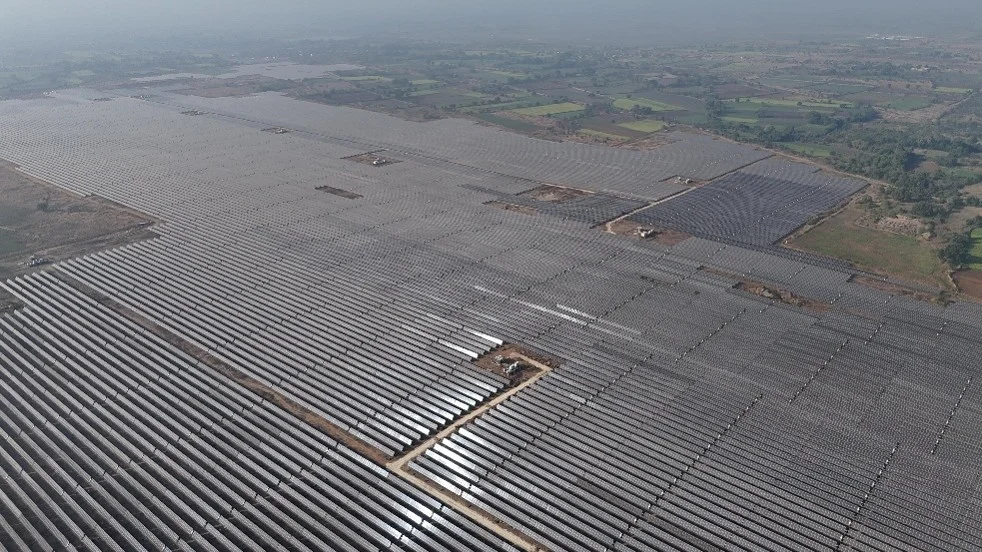
Renewable plants and substations increasingly use distributed sensors, remote input/output, and digital communications alongside conventional high-voltage equipment. Building systems combine lighting, heating, access, metering, and onsite generation through common automation platforms.
Those changes also reshape skills requirements within manufacturers. Design teams need electrical, mechanical, electronics, software, and cybersecurity expertise, while technical sales and support staff increasingly explain complete systems rather than individual components.
Twiehaus’s experience in automotive electronics and mechatronics brings exposure to global supply chains, high-volume production, stringent quality requirements, and rapid technology transition. He will take responsibility as WAGO develops its established interconnection business alongside automation, software, and energy-management products.
Company and product information is available from WAGO.