IN Brief:
- The first Vestas V162 components have reached the Frumușița and Pecineaga Nord-Est sites.
- The two wind farms will provide 66 MW and 48 MW of capacity, respectively.
- Deliveries to the 24 MW Vector development are expected to begin in spring 2027.
Eurowind Energy has begun deliveries and installation of Vestas wind turbines at two Romanian developments, advancing a three-site construction programme that will add 138 MW of onshore wind generating capacity.
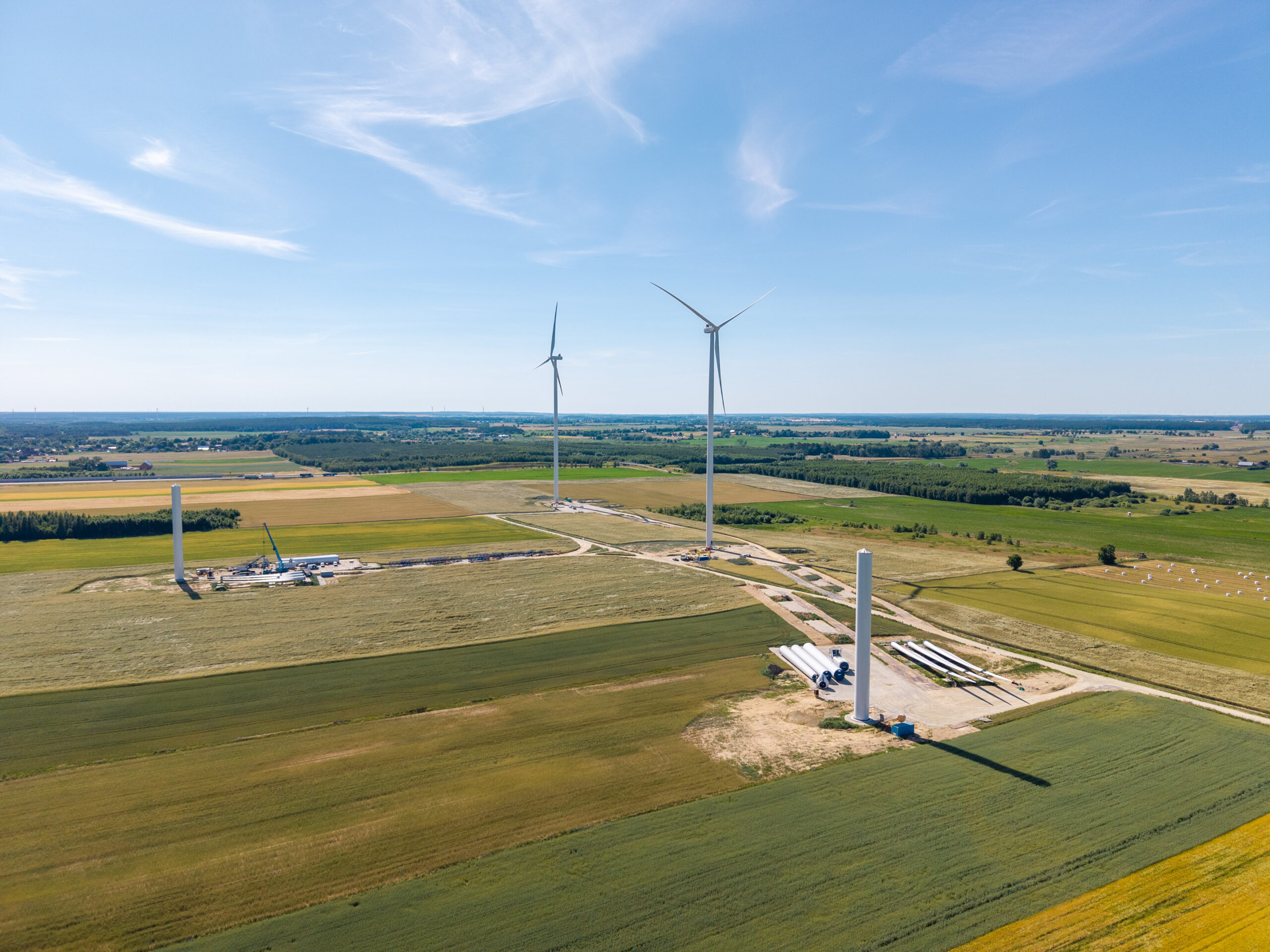
The Danish renewable energy developer confirmed on 26 November that the first turbine components had reached Frumușița in Galați County and Pecineaga Nord-Est in Constanța County. Both developments use the Vestas V162 platform, with installation progressing in phases before equipment deliveries begin at the third project, Vector, in spring 2027.
Frumușița will comprise 11 turbines with a combined electrical generating capacity of 66 MW. Pecineaga Nord-Est will incorporate eight turbines providing 48 MW, while Vector will add a further four turbines rated at a combined 24 MW. The three developments therefore use a common 6 MW generating rating per machine.
The construction programme targets operation in 2027. Earlier in the year, Eurowind obtained establishment authorisations for the three projects from Romania’s National Energy Regulatory Authority, allowing the developments to progress through construction and equipment procurement.
The projects are supported through Romania’s contracts for difference (CfD) programme. Frumușița was selected in the first procurement round, while Pecineaga Nord-Est obtained support through the second round. Contracted support reduces exposure to movements in wholesale electricity prices under the applicable settlement arrangements, helping establish a longer-term commercial basis for investment.
Using a common turbine platform across the three developments allows the developer to coordinate aspects of equipment procurement, transport, installation, and maintenance. Although the turbine configuration is shared, the delivery schedules remain specific to each site, with the construction programme progressing first through Frumușița and then Pecineaga Nord-Est.
The V162 designation refers to a rotor diameter of 162 metres, making the transport of individual blades and tower sections a substantial logistical activity. The required road access, crane capacity, and assembly areas must be coordinated with the completion of turbine foundations and the progression of civil works across each wind farm.
Eurowind has confirmed the arrival of initial tower sections at Frumușița. Subsequent turbine erection involves positioning the tower assemblies, nacelles, and rotor components using lifting equipment that must operate within specified environmental limits. Changes in wind conditions can therefore affect the duration of individual installation activities even after the necessary equipment has reached the site.
Mechanical installation must proceed alongside the electrical works required to connect the turbines to the Romanian electricity network. Each generating unit will feed its output into a collection network, with the combined electricity transferred towards the project’s grid connection infrastructure.
A shared 6 MW turbine rating simplifies some aspects of electrical equipment specification across the portfolio, but collection circuit ratings, conductor sizing, protection settings, and substation arrangements depend on the number and distribution of turbines at each site. Frumușița’s 11-machine configuration has different aggregate power transfer requirements from Vector’s four-machine layout.
The electrical connection studies must also address the behaviour of the variable-speed generating equipment during changes in network voltage and frequency. Plant-level control systems coordinate the response of individual turbines so the complete installation can operate within the relevant network requirements.
The combined rating of the two sites receiving components is 114 MW, leaving 24 MW to the Vector installation campaign. That sequencing means the delivery of electrical equipment and the mobilisation of commissioning teams must be planned across different construction stages.
Mechanical completion and electrical commissioning consequently represent separate milestones. The commissioning process must verify turbine operation, the performance of the collection circuits, protection coordination, and communications between the generating units and supervisory control systems before the development can enter unrestricted commercial operation.
Vestas is expected to provide equipment maintenance over a 20-year period, extending the relationship between the turbine supplier and the developer beyond the current construction programme. Operating a common turbine platform at multiple sites may support standardisation of servicing procedures and spare parts management, although the environmental and network conditions differ between installations.
Eurowind’s Romanian programme follows the company’s recent completion of turbine installation at Nowogródek Pomorski, a separate 28.6 MW project in western Poland. The Romanian developments are larger and remain at an earlier stage of construction.
The installation campaign will initially concentrate on Frumușița and Pecineaga Nord-Est, with the principal equipment for Vector scheduled to arrive during spring 2027. The company has not yet published individual dates for commercial operation at the three developments.