IN Brief:
- The combined Kirikmäe development represents approximately €110 million of investment.
- WiSo Engineering completed the battery infrastructure and integration following the start of construction in January 2026.
- Pure Energy's ten-year flexibility and power purchase agreement also covers two other photovoltaic plants.
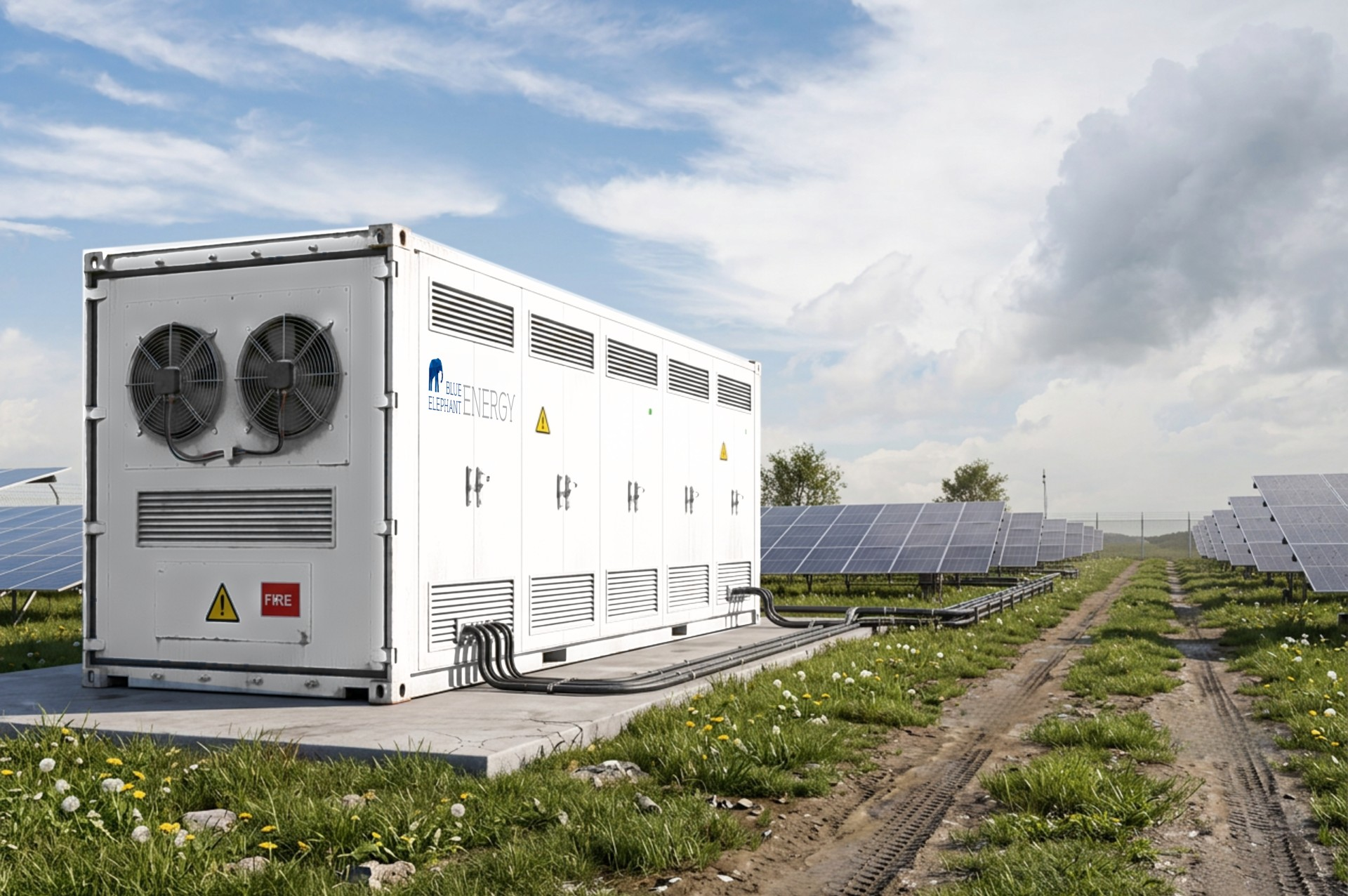
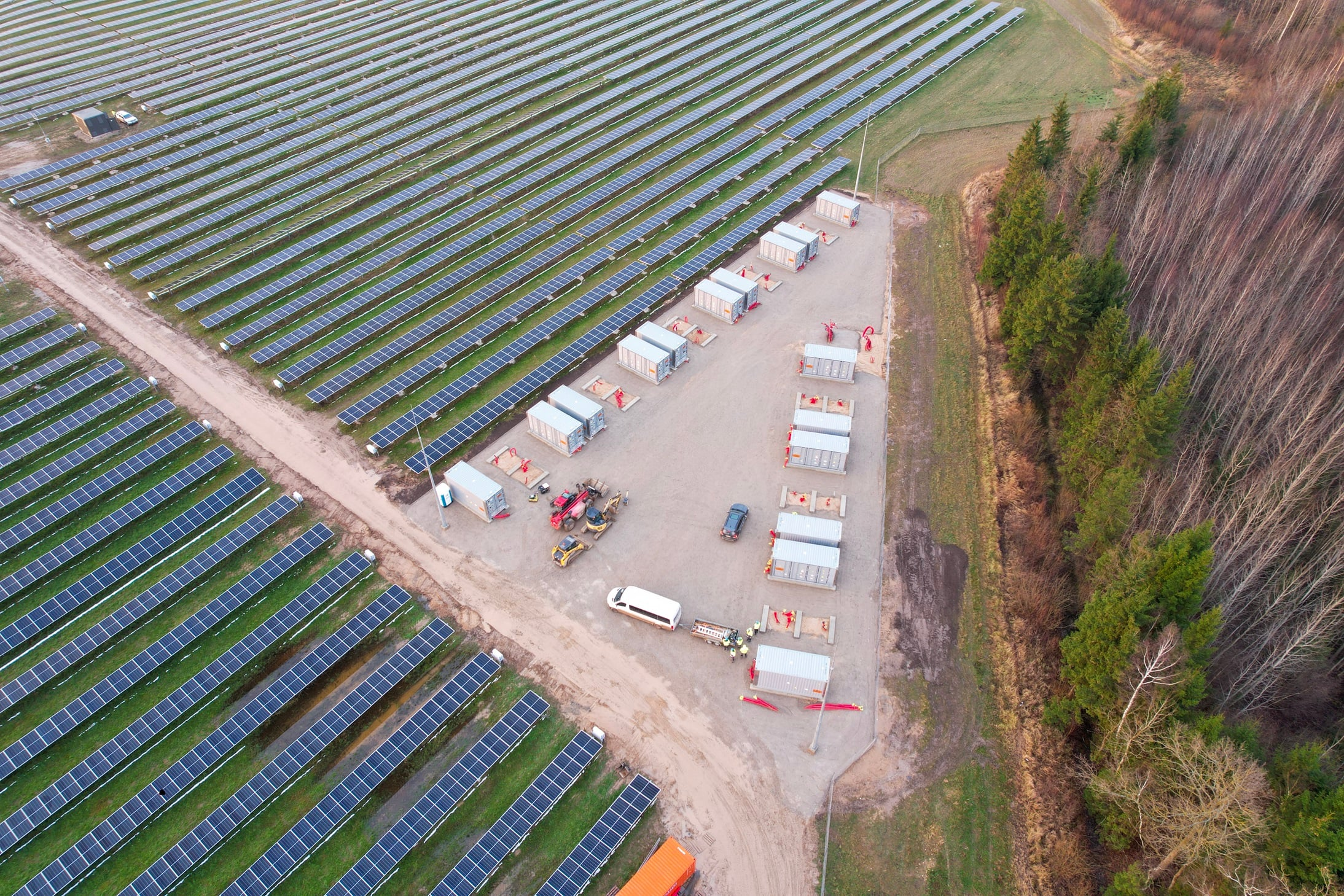
Evecon and French investment manager Mirova have completed a 55 MW/250 MWh battery energy storage installation at the existing Kirikmäe solar farm near Lihula in western Estonia, bringing investment in the combined development to approximately €110 million.
The developers opened the hybrid park on 25 November. Construction and technical integration of the battery are complete, with final electricity network and market tests still being undertaken before the installation can provide its intended commercial services.
Baltic Renewable Energy Platform (BREP), the joint venture established by Evecon and Mirova, developed the battery alongside its 77.5 MWp photovoltaic generating installation. The solar farm has been operating since October 2024 and the battery construction programme began in January 2026.
Tallinn-based WiSo Engineering, which had previously delivered the photovoltaic installation, acted as the principal contractor for the storage development. Its scope included construction of the associated infrastructure and integration of the battery equipment with the wider installation.
The battery’s nominal power and energy ratings correspond to a discharge duration of just over four and a half hours at rated output. Its combination with an operational photovoltaic plant will allow BREP to vary the timing of electricity export and use the storage capacity for electricity network services, once the relevant tests and qualification procedures are complete.
The project already has a long-term commercial framework covering the operation of both technologies. BREP signed a ten-year flexibility and power purchase agreement with German energy company Pure Energy, encompassing the Kirikmäe hybrid park and two additional photovoltaic plants, the 15.5 MW Imavere and 12.8 MW Lohu Mets developments.
The agreement brings approximately 105.8 MW of photovoltaic capacity and the new battery into a common commercial arrangement. These generating assets remain separate physical installations; the contractual portfolio does not constitute a single electricity connection or establish a combined site export rating.
The inclusion of storage creates additional options for marketing electricity beyond the hours in which solar output is available. Pure Energy identified frequency containment reserve, automatic frequency restoration reserve, and manual frequency restoration reserve among the intended services when the agreement was signed earlier in 2026.
Those balancing products impose different operational and qualification requirements. Frequency containment reserve responds to deviations from the electricity system’s nominal frequency, while frequency restoration reserves provide resources to return the system towards its scheduled operating condition. The battery’s ability to participate will depend on its final qualification and the operating arrangements established with the relevant system authorities.
When capacity is committed to such a service, the operator must maintain sufficient stored energy and charging or discharging headroom to fulfil the corresponding obligation. A 55 MW battery cannot simultaneously commit its entire power rating to energy sales and reserve services if doing so would exceed its electrical or contractual operating limits.
The agreement therefore introduces a relationship between forecasts of photovoltaic output, electricity market prices, reserve availability, and battery state of charge. Coordinated management of these variables can determine how much solar electricity is exported immediately and how much capacity remains available for subsequent dispatch.
The financial arrangements for the hybrid project also incorporate assets at different stages of development. BREP secured an €85 million long-term financing facility from Swedbank earlier in 2026, covering refinancing of existing solar assets and construction of the Kirikmäe battery. The facility is distinct from the approximately €110 million combined project investment.
The completion of the Kirikmäe development follows substantial investment in standalone battery storage elsewhere in Estonia. Evecon, Mirova, and Corsica Sole opened the Hertz 1 and Hertz 2 battery facilities earlier this year, with combined ratings of 200 MW and 400 MWh. Kirikmäe adds a different operating configuration through integration with existing photovoltaic generation.
Estonia’s electricity market is also seeing new developments such as the Raudsepa battery project, for which AFRY has secured construction-phase engineering and supervision work. The 192 MW/420 MWh Raudsepa installation is separate from Kirikmäe and remains under development.
These investments follow the Baltic states’ synchronisation with the continental European electricity network in February 2025, which changed the regional arrangements for frequency management and procurement of operating reserves.
At Kirikmäe, the remaining grid and market tests will establish how the completed equipment responds to external dispatch instructions and the requirements of the electricity network. Completion of those tests is the outstanding step before the 250 MWh battery can enter its intended commercial operating framework.