IN Brief:
- EirGrid has provisionally selected 1,367.25 MW of solar and 188.05 MW of onshore wind capacity.
- Energy-weighted average offers were €102.42/MWh for solar and €99.35/MWh for wind.
- Final results are scheduled for 9 December, with award notices due on 11 January 2027.
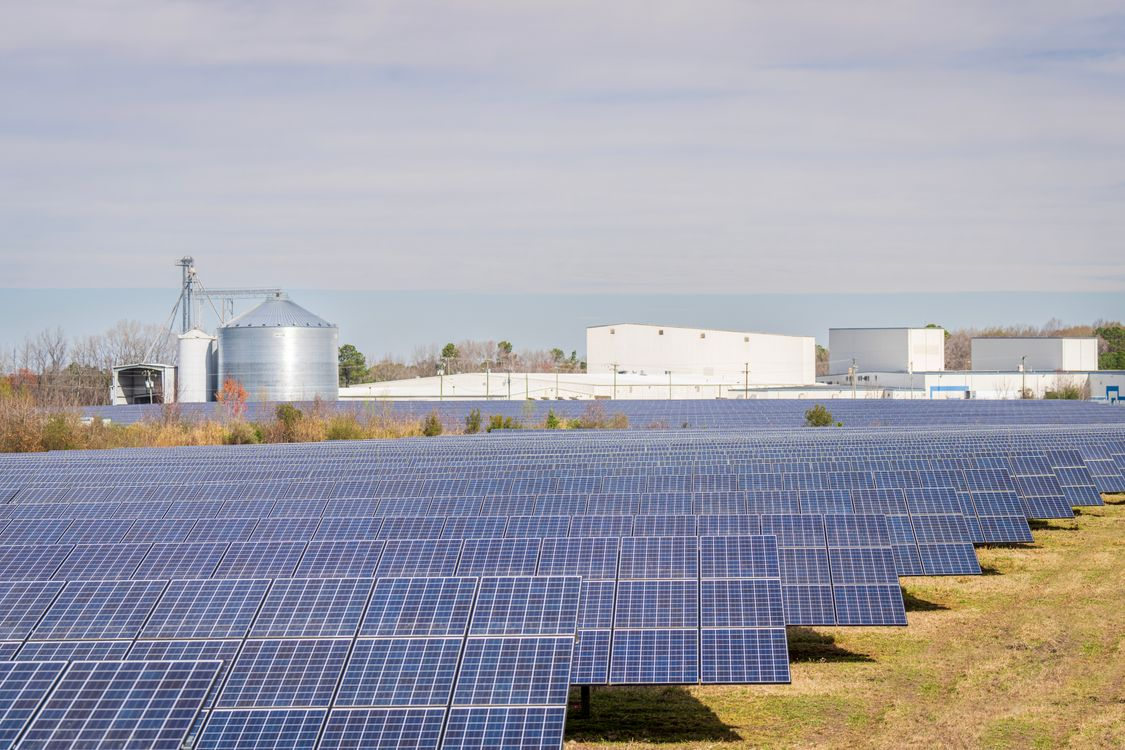
Ireland has provisionally selected 1,555.30 MW of renewable electricity capacity through its sixth Renewable Electricity Support Scheme (RESS 6) auction, with photovoltaic projects accounting for almost 88% of the successful generating capacity.
Transmission system operator EirGrid published the results on 25 November, identifying 22 successful solar projects totalling 1,367.25 MW and six onshore wind projects with a combined capacity of 188.05 MW. The selections remain subject to ministerial approval.
The energy-weighted average offer prices were €102.42/MWh for solar and €99.35/MWh for onshore wind. Together, the successful bids represent 1,894.04 GWh of deemed annual energy, of which 1,317.48 GWh is attributable to solar and 576.56 GWh to wind.
The qualification and bidding figures show that the auction was contested across both technologies. EirGrid received 63 applications for qualification, of which 46 progressed to the auction. Four solar projects did not qualify and 13 projects withdrew. All qualified applicants submitted offers, with 18 subsequently classified as provisionally unsuccessful.
The unsuccessful offers represented 1,065.25 MW of generating capacity. Solar accounted for 1,014.60 MW of that capacity, compared with 50.65 MW of unsuccessful wind offers. The volume of solar projects competing for support was therefore substantially greater than the amount provisionally selected.
RESS 6 assessed solar and onshore wind in separate procurement pots. Offshore developments are addressed by Ireland’s separate Offshore Renewable Electricity Support Scheme, rather than competing for support within the two categories assessed in the latest auction.
The separate pots also reflect differences in how the technologies contribute electricity to the system. Although solar represents nearly nine tenths of the successful power rating, its share of deemed annual energy is approximately 70%. The wind projects contribute approximately 30% of the deemed energy with just over 12% of the generating capacity.
Dividing the deemed annual energy quantities by the respective generating capacities gives approximately 964 equivalent full-load hours for solar and 3,066 for wind. These figures describe the relationship between the auction’s assessed energy and capacity quantities, rather than independently measured future generation. Actual output will depend on resource conditions, operating performance, and network restrictions.
The sixth auction also incorporated non-price considerations addressing supply chain resilience and energy system integration alongside electricity price, reflecting the requirements of the European Union’s Net Zero Industry Act.
Equipment procurement can influence a project’s ability to satisfy resilience criteria, particularly where renewable generating assets rely on imported photovoltaic modules, inverters, wind turbine components, and other electrical assemblies. Developers must assess the availability of compliant equipment alongside its technical suitability and delivery schedule.
The electrical characteristics of the proposed generating installations are also relevant to their integration into Ireland’s network. As more solar farms connect, electricity production will become increasingly concentrated during daylight hours, with simultaneous output from multiple projects potentially placing additional demands on local distribution and transmission capacity.
Wind and solar have different daily and seasonal production profiles, but both require the electricity system to accommodate changes in active power output while maintaining voltage and frequency within operating limits. Storage, electricity transfers, flexible demand, and dispatchable generating plant can help manage those variations where the necessary network and commercial arrangements are available.
The weighted offer prices in the two pots differ by €3.07/MWh, but their arithmetic comparison does not account for the value of electricity at the hours when each technology generates. EirGrid weights prices by deemed energy rather than generating capacity, so larger annual energy offers exert a greater influence on the published averages.
Ireland’s auction programme provides long-term revenue support intended to facilitate renewable electricity investment. The earlier fourth RESS auction, for example, supported the Drumnahough wind development, which secured €55 million of construction financing in November 2026.
The interval between auction selection and construction finance illustrates the additional commercial and engineering activities that must take place before awarded capacity can contribute electricity. The latest selected projects must complete their award documentation and progress the necessary financing, equipment procurement, electrical connection, and construction arrangements.
The provisional solar and wind selections represent approximately 62% and 79% of their respective offered capacity. The distinction between the two acceptance rates reflects the separate competition within each technology pot rather than a common ranking across all technologies.
EirGrid’s auction timetable identifies 27 November as the deadline for participants to submit notices of dissatisfaction. Final results are scheduled for 9 December, followed by award notices on 11 January 2027. Successful applicants are expected to return implementation agreements and performance bonds by 22 February, establishing the contractual basis for subsequent delivery.