IN Brief:
- Blue Elephant Energy has acquired 95% of the Zuidvelde battery development from TPSolar.
- The battery will share connection infrastructure with the operational 50 MWp photovoltaic installation.
- ING Netherlands will provide financing, while TPSolar will manage construction and subsequent maintenance.
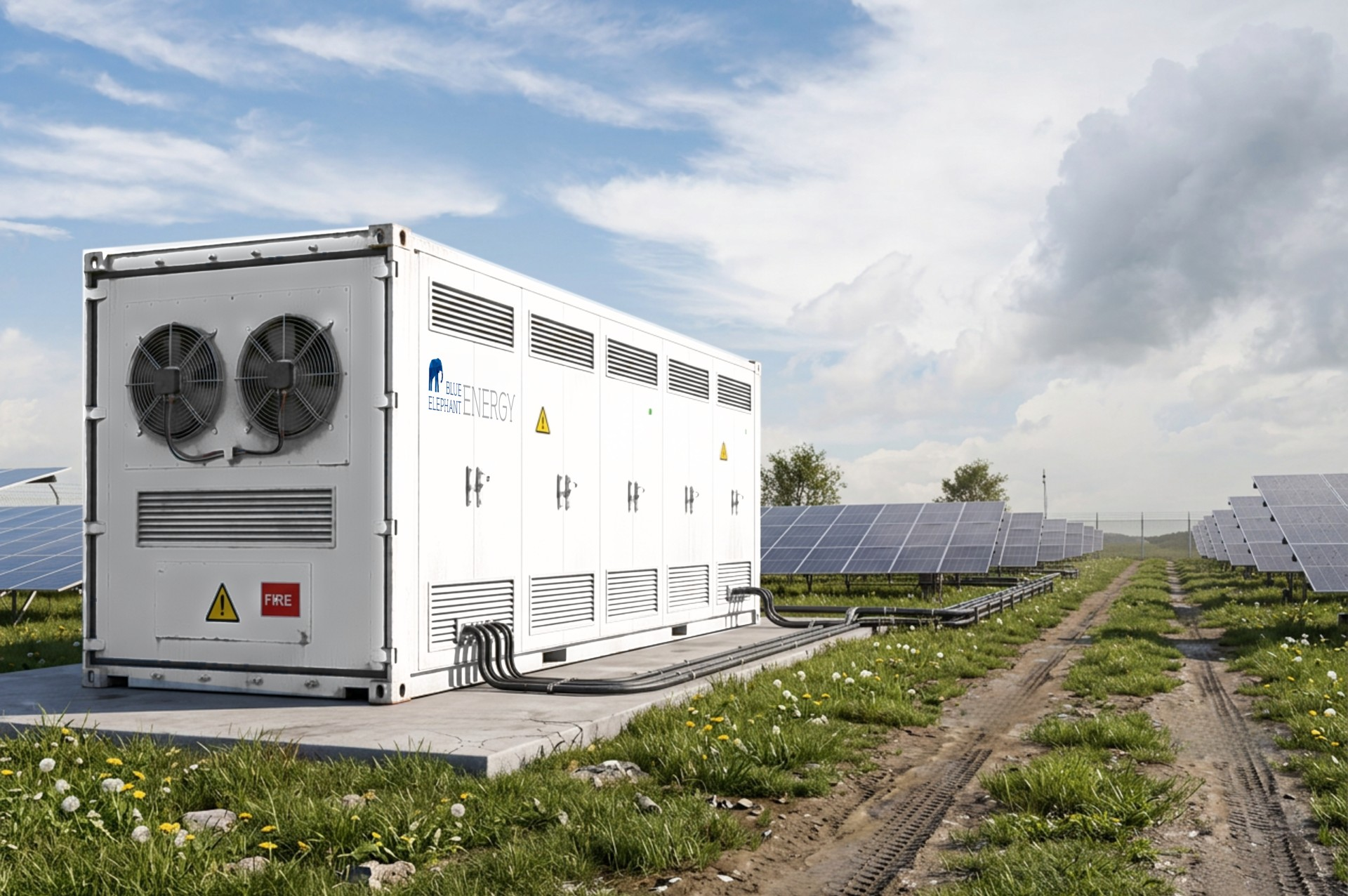
Blue Elephant Energy has acquired a 95% interest in a 40 MW/160 MWh Dutch battery storage development from TPSolar, establishing its first project in the Netherlands’ battery market through an installation that will share the grid connection of an operational photovoltaic facility.
The battery will be constructed at Zuidvelde solar park in the municipality of Noordenveld, in Drenthe province. TPSolar will manage construction, which is scheduled to begin in the first quarter of 2027, and maintain the equipment following commissioning in the third quarter.
ING Netherlands, which previously financed the existing solar installation, will also provide financing for the battery development. Neither the acquisition price nor the value of the financing has been disclosed.
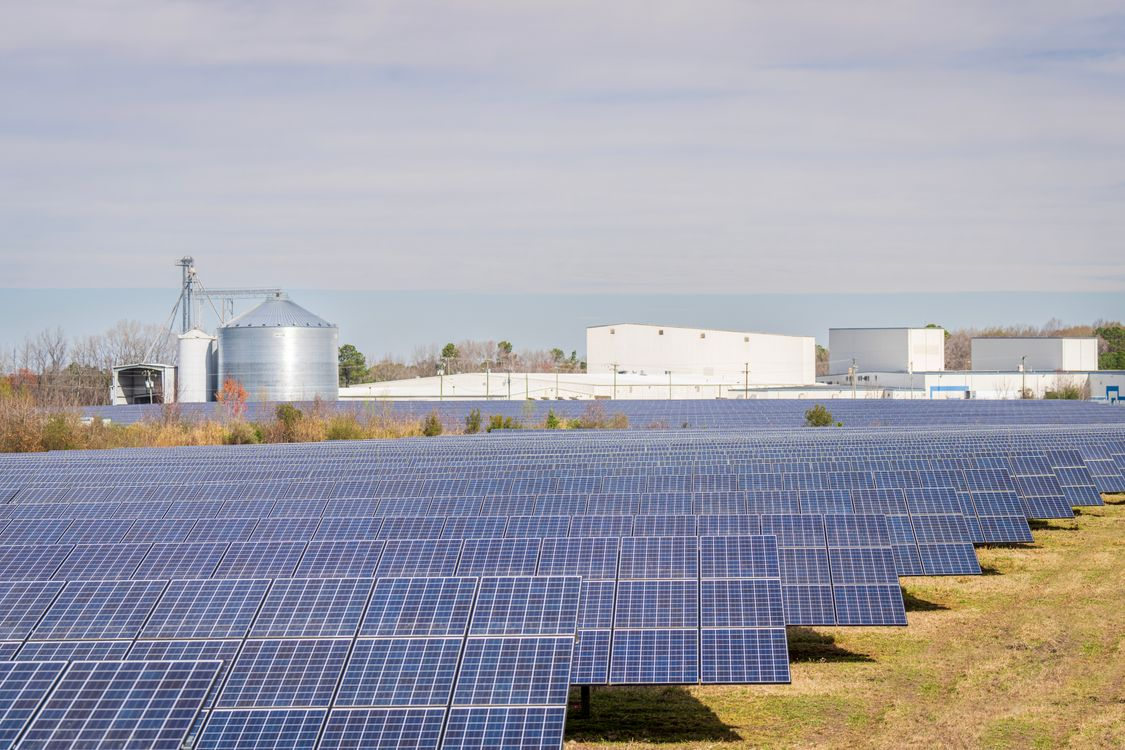
The proposed battery will operate alongside the site’s 50 MWp photovoltaic generating facility through a cable pooling agreement. TPSolar had reserved space for additional storage infrastructure during construction of the original solar park, providing an established site for subsequent integration of the battery equipment.
The connection arrangement allows the developer to progress the storage installation without securing a separate electricity network connection, a significant consideration in a country experiencing shortages of available grid capacity for both generation and electricity consumption.
Cable pooling combines the use of existing electrical connection infrastructure by two or more assets. Dutch network operators assess the altered loading profile associated with such arrangements, because the addition of storage can change both the timing and direction of power flows through an established connection.
Although the Zuidvelde battery will be rated at 40 MW and the solar plant has 50 MWp of module capacity, these figures cannot be added to determine the maximum power that can be exported simultaneously. The photovoltaic figure is a DC peak rating, while the battery’s power rating describes its specified ability to transfer electricity. The permitted export of the combined site will remain governed by the shared connection arrangements and the ratings of associated electrical infrastructure.
When photovoltaic generation approaches the permitted export limit, charging the battery provides another destination for electricity that would otherwise be exported or potentially curtailed. Subsequent discharge can take place when photovoltaic output has declined, subject to network conditions and commercial dispatch requirements.
At 40 MW, the battery’s nominal 160 MWh energy capacity corresponds to four hours of storage. That provides a defined interval during which stored electricity can be delivered at rated power, before allowing for any project-specific operating restrictions and electrical losses.
The development will require coordinated monitoring of power flows at the shared connection point. Supervisory control equipment must reconcile solar production, battery dispatch, and the permitted import and export limits so that individual assets operate within the overall electrical constraints of the site.
Different commercial arrangements can be established for the use of shared infrastructure, particularly where the generating and storage assets have separate ownership structures. At Zuidvelde, the transaction gives Blue Elephant Energy majority ownership of the battery while TPSolar remains responsible for construction management and subsequent maintenance. The companies have not disclosed the allocation of dispatch rights or detailed commercial operating provisions.
Existing connection infrastructure can reduce the amount of new equipment required, but its suitability must still be assessed against the altered operating profile. Transformers, cables, protection equipment, and metering may experience different loading conditions when storage extends the site’s operating hours or introduces power flows in the opposite direction.
Blue Elephant Energy’s investment reflects growing interest in combining storage and generation through shared Dutch electrical infrastructure. Statkraft’s recent agreement for the Dutch Snelle Loop project similarly combines commercial management of photovoltaic generation and co-located storage, although it concerns a separate development and contractual model.
The Hamburg-based developer has a European portfolio of approximately 2.4 GW in operation or under construction and a development pipeline exceeding 10 GW. It intends to add storage at further locations across its existing portfolio, applying the experience gained through projects such as Zuidvelde to other sites with established electricity connections.
TPSolar identifies Zuidvelde as its largest battery development to date. Its existing solar business has built and manages 11 photovoltaic installations, providing experience of the operational requirements of sites where additional electrical infrastructure can be integrated without establishing entirely new generating developments.
The acquired project’s next milestone is the start of construction during the first quarter of 2027. Electrical installation, system integration, and verification of compliance with the shared grid connection will precede the scheduled third-quarter commissioning of the full 160 MWh system.