IN Brief:
- NESO's initial forecast reserve shortfall for Tuesday was 1,150 MW, revised to 800 MW before cancellation.
- Transmission constraints excluded 6.9 GW of generating capacity from the available margin in Tuesday morning's assessment.
- The system operator's winter outlook forecasts a seasonal de-rated margin of 5.9 GW.
Britain’s National Energy System Operator (NESO) has cancelled a second Electricity Margin Notice covering successive days of winter electricity demand, after requesting additional generating capacity and demand flexibility to improve the forecast operating reserves available to its control room.
Wednesday’s notice, issued during the early hours of 25 November, covered the period from 14:00 to 20:00 GMT. NESO withdrew it before midday, ahead of the anticipated evening peak. A notice covering Tuesday afternoon and evening had also been withdrawn before the revised demand period began.
The first notice, issued on Monday evening, identified a forecast margin shortfall of 1,150 MW for the period from 13:00 to 20:00 on Tuesday. An update issued at 10:45 on Tuesday reduced the projected shortfall to 800 MW and narrowed the period of concern to 15:00–20:00. NESO issued its cancellation at 14:16.
Tuesday morning’s assessment identified a contingency requirement of 480 MW and excluded 6.9 GW of generation from the available system margin because of transmission constraints. The preceding evening’s assessment had excluded 5.1 GW, with a contingency requirement of 1 GW. Changes in the operating margin therefore reflected more than the availability of individual power stations.
Electricity Margin Notices alert the market when the system operator expects spare capacity to fall below its desired reserve requirement. The gap identified by the notice is a forecast shortfall against that reserve requirement, rather than a direct forecast of electricity demand that will go unserved.
The reserve allows the control room to accommodate unexpected changes in generation and consumption. If a substantial generating unit or interconnector becomes unavailable, other resources must replace the lost power while maintaining the balance of the system. Demand forecasts and renewable generation forecasts also contain uncertainty, which becomes more consequential when fewer resources are available to respond to deviations.
The exclusion of 6.9 GW on Tuesday demonstrates the role of transmission capacity in that assessment. Electricity generated on one side of a constrained network boundary may not be deliverable to demand elsewhere without exceeding the operating limits of transmission circuits. Increasing output from those generators would not necessarily provide a usable national reserve, even if their generating equipment remained available.
Network operators must account for the power that individual circuits can transfer under normal conditions and after the loss of other equipment. Available generation can consequently be restricted by the location of demand, planned transmission outages, and the electrical consequences of potential faults. NESO may need additional generation or reduced consumption at locations where those changes can be accommodated by the network.
A transmission constraint can also require simultaneous changes in generation on either side of a network boundary. Reducing generation where export capacity is exhausted and increasing it nearer demand changes the geographical distribution of supply without necessarily changing total national generation.
The notices requested that electricity market participants identify extra generating capacity and demand control. Generators can revise the capacity made available to the market, while flexible consumers may offer reductions in electricity demand. Interconnector operators can also identify additional import capability, where electricity is available in neighbouring systems.
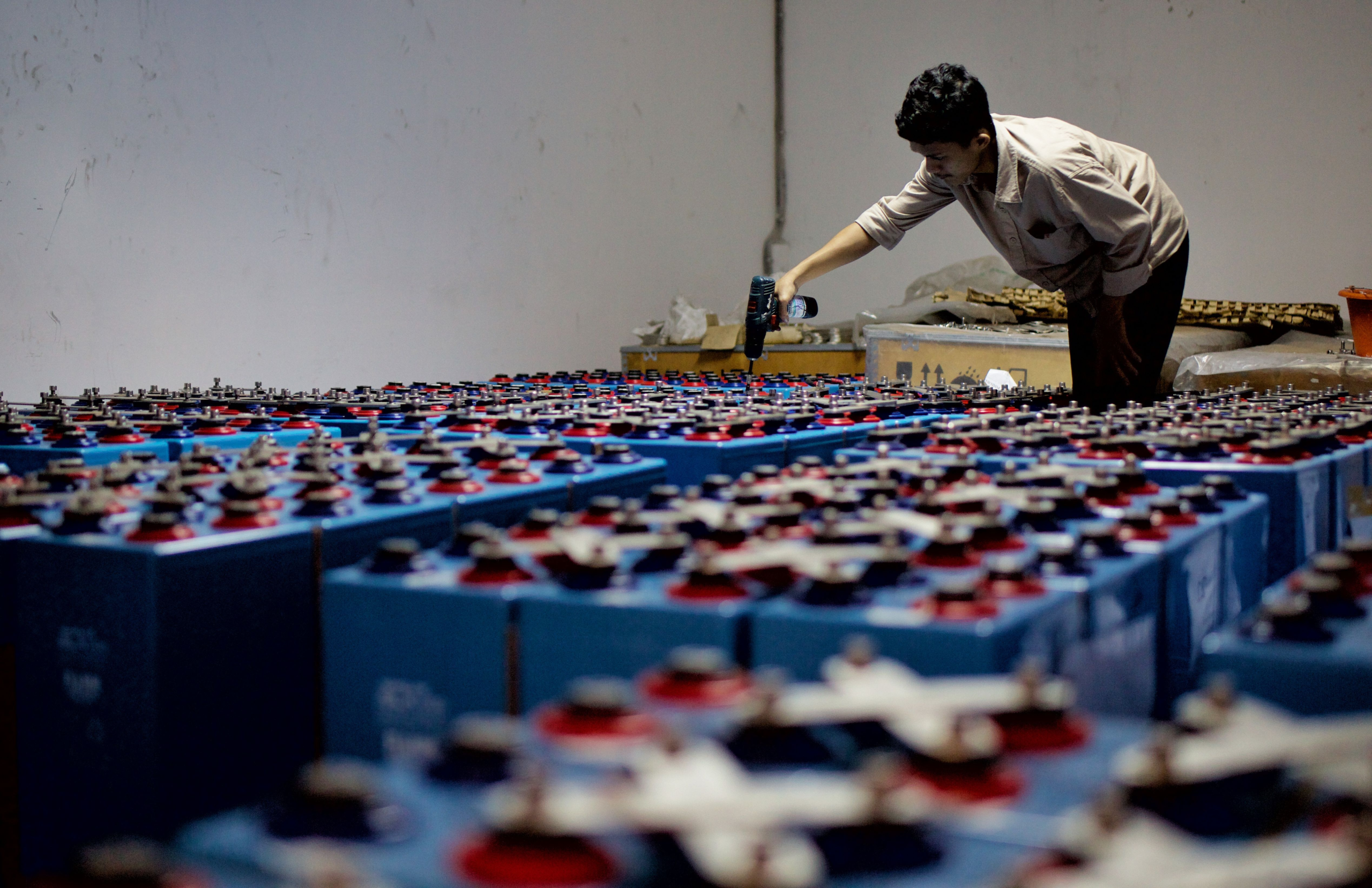
Battery installations can contribute by discharging or reducing scheduled charging demand. Their ability to sustain additional output throughout a period of tight capacity depends on the energy retained in the batteries, their power ratings, and the limitations of their connections. A storage installation that has already discharged substantially earlier in the day may have less energy available for the evening peak.
NESO’s winter outlook, published on 23 October, identifies a de-rated margin of 5.9 GW for the 2026/27 season, equivalent to approximately 9.5% of average cold spell peak demand. The assessment incorporates expected generating availability instead of treating the entire nameplate capacity of the electricity system as continuously available.
A seasonal adequacy assessment and a notice issued for a particular afternoon measure different conditions. The former estimates the capacity expected to be available across a range of winter scenarios; the latter reflects forecasts for specific operating periods and the network conditions anticipated at that time. The winter outlook anticipates that some periods, particularly during December and January, may require the use of routine balancing tools.
The two cancellations follow a similar episode on 9 November, when a notice covering morning electricity demand was withdrawn. NESO will continue to reassess the availability of generation, imports, and demand flexibility against forecast consumption and the electrical limits of the transmission network as the winter progresses.