IN Brief:
- Isar Yudego has started operating with 85.5 MW from 19 turbines, making it EDP’s largest individual Spanish wind farm.
- Ubierna adds 45 MW from ten machines in Burgos province.
- EDP forecasts 360 GWh of combined annual generation and now operates more than 600 MW of wind power in Castile and León.
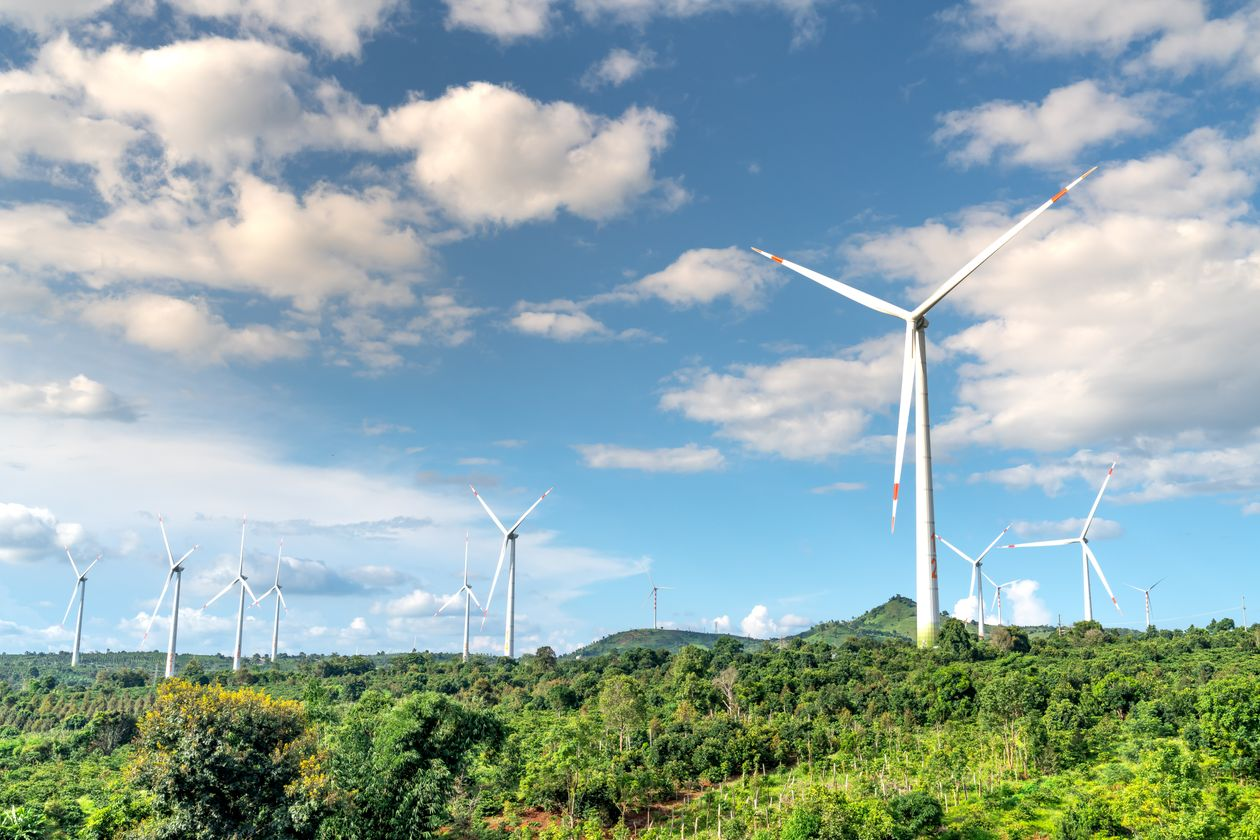
EDP has put two wind farms into operation in the Spanish province of Burgos, adding 130.5 MW of onshore generating capacity in Castile and León. Isar Yudego provides 85.5 MW from 19 turbines and Ubierna contributes another 45 MW from ten. The company expects their combined annual production to reach around 360 GWh, expanding its operating wind fleet in the region rather than adding another permitted but unbuilt development.
Located between the settlements of Isar and Yudego, the larger 85.5 MW wind farm is now EDP’s biggest individual wind installation in Spain. Ubierna’s ten turbines stand in the municipality of Merindad de Río Ubierna. Together the parks contain 29 generating machines, but the two project ratings do not establish that every turbine has the same make or electrical nameplate. The operating totals relate to site capacity, while individual turbine specifications and grid interface arrangements depend on each development’s equipment and engineering design.
Commissioning brought the electrical and mechanical systems from installation through testing into generation service. The wind turbines operate as coordinated groups, with local controls, collection circuits, transformers and protective devices supplying power through the relevant grid interfaces. Turbine protection must respond to internal faults, while park controls manage the aggregate electrical output within permitted operating limits. EDP describes both developments as running, rather than simply constructed, making the October milestone an addition to the country’s available operating generation fleet.
EDP forecasts approximately 122 GWh a year from Ubierna, while the combined figure for the two parks is around 360 GWh. Their reported outputs are presented as equivalent to the average annual consumption of 35,000 and 65,000 households respectively. These household comparisons use assumed demand levels; they do not describe dedicated supply contracts. The 360 GWh forecast corresponds to an indicative combined capacity factor of about 31.5%, with wind conditions and technical availability shaping measured annual output.
Installed capacity measures the output a generating system can deliver under its specified rating conditions, while energy generated across a day or year accumulates in megawatt-hours or gigawatt-hours. For the Burgos farms, wind distribution and the turbine power curves are fundamental to determining production from the 130.5 MW nameplate total. Service interruptions, electrical losses and network curtailment also affect the metered annual figure. The 360 GWh forecast therefore provides a production benchmark, with hourly availability and weather shaping how that electricity reaches the grid.
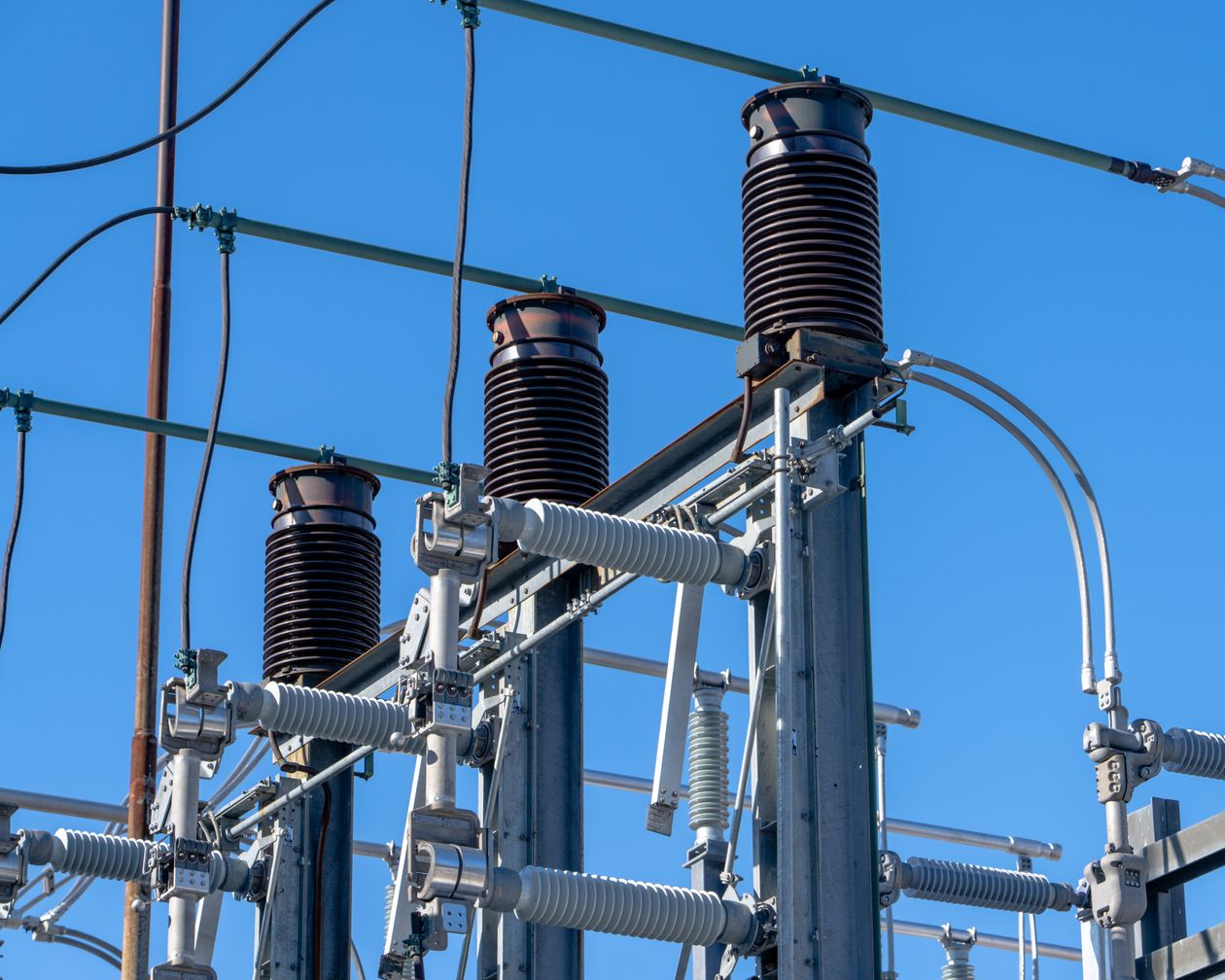
Wind turbines convert the kinetic energy of moving air into rotational energy at the rotor. Their control systems regulate operating speed and blade pitch to manage mechanical loads and electrical output as conditions change. The generator and associated power electronic equipment must then deliver electricity within the voltage, frequency and power-quality requirements of the network. Turbine-level protection, transformers and the site collection circuits also need to coordinate with the wider grid connection so that faults can be isolated without unnecessarily removing healthy equipment.
The new capacity takes EDP’s operational wind portfolio in Castile and León above 600 MW, spread over more than twenty assets. Isar Yudego’s comparatively large rating makes it an important addition to maintenance and monitoring programmes already serving other plants in the region. Across several nearby sites, operators can coordinate specialist technicians, spare-parts planning and grid communication, while each farm retains its own connection conditions and statutory obligations.
EDP estimates that the two new facilities could avoid approximately 38,000 tonnes of carbon dioxide emissions annually by displacing other generation. The estimate depends on the amount of power actually produced and the emissions characteristics of electricity replaced at the relevant times. The company’s project figures also describe construction-related employment and procurement across local engineering, transport and installation businesses; those activities supported delivery of the now commissioned turbines rather than forming a forecast of permanent operational posts.
Monitoring will now concentrate on generator and converter performance, blade condition, turbine availability and the electrical collection systems that deliver power to the grid. Periodic servicing and unplanned faults can temporarily reduce available capacity, while system conditions may occasionally limit export. SCADA records and settlement metering will provide the operational information needed to compare the 360 GWh estimate with generation in the first complete year of service.
Both Burgos projects began operating following the October commissioning milestone, with Isar Yudego becoming EDP’s largest wind farm in Spain and Ubierna contributing a separate 45 MW. Together they bring 130.5 MW of additional installed wind power into commercial service. The first full year will establish how closely the combined fleet performs against the company’s 360 GWh production forecast, within the normal variations of wind, maintenance and network operation.