IN Brief:
- The Pelkosenniemi battery is rated at 10 MW and 37 MWh, equivalent to about 3.7 hours at nominal output.
- Elisa Industriq’s Gridle will provide optimisation, trading and route-to-market services for the asset.
- The project is under construction; Frigg is majority owner, and operation is expected in early 2027.
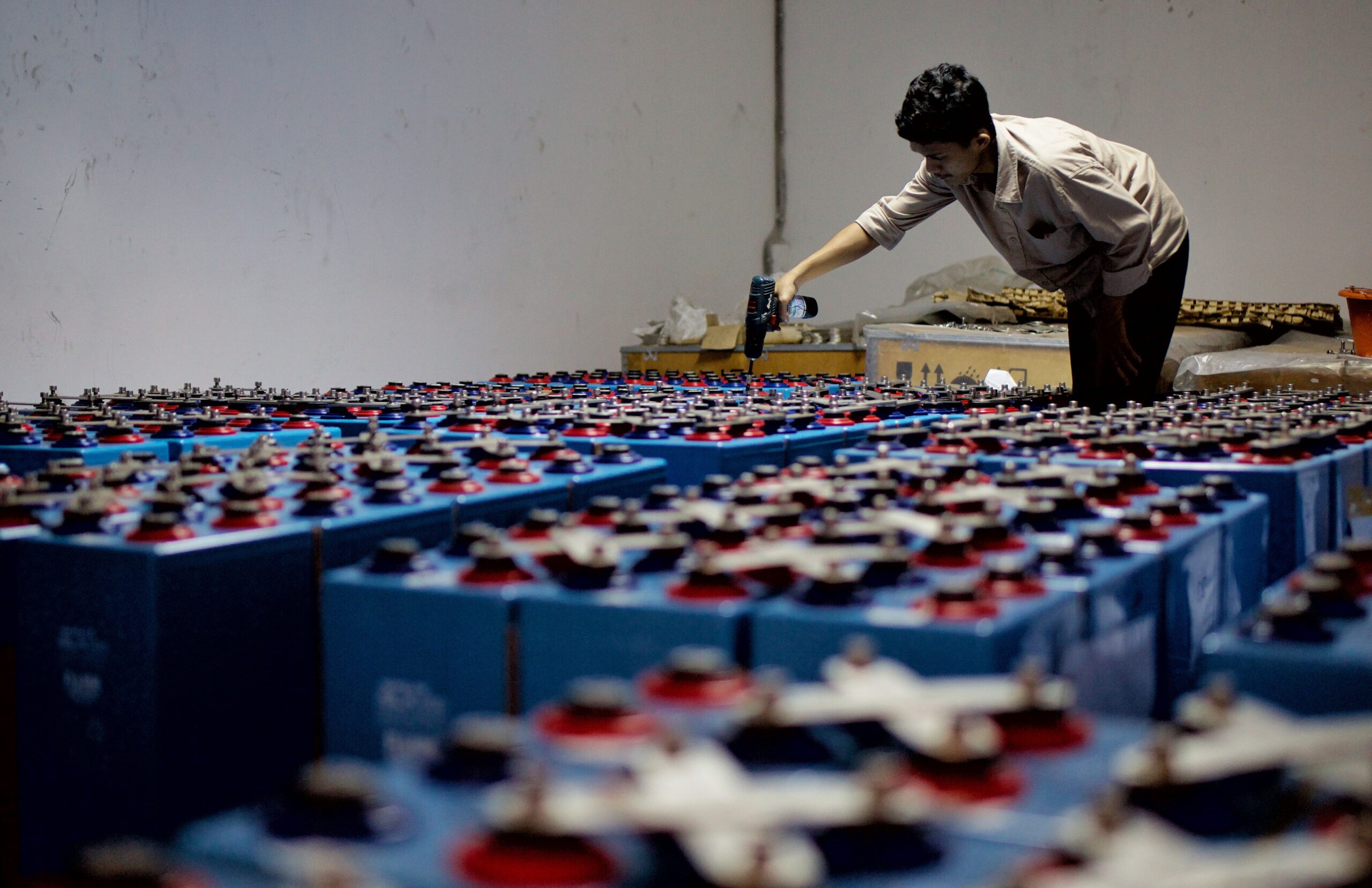
PowerEdge has selected Elisa Industriq’s Gridle as the long-term optimisation and trading partner for a 10 MW/37 MWh battery energy storage project in Pelkosenniemi, northern Finland. The plant is under construction and is expected to enter commercial operation in early 2027. Gridle will provide market access and coordinate trading strategies across multiple electricity markets, giving the developing asset a defined commercial route before its electrical systems are commissioned.
Pelkosenniemi is PowerEdge’s first utility-scale battery development in Finland. The Swiss-based company has coordinated project development and structuring, while renewable energy investment platform Frigg holds a majority ownership stake and has led financing. Elisa Industriq takes the commercial optimisation role. The owner and developer remain responsible for their respective project and asset obligations, while market scheduling will be coordinated through Gridle once the installation is ready.
Pelkosenniemi’s 10 MW power rating and 37 MWh energy rating give a nominal duration of 3.7 hours at maximum rated discharge, commonly described by the project partners as approximately four hours. Duration is not a fixed promise of usable delivery in every market interval. Available energy changes with state of charge, conversion losses, battery operating limits and the need to maintain reserves for contracted services. The actual terminal power delivered to the network will also depend on the installed power conversion and connection equipment.
Gridle has been appointed to make commercial decisions across Finland’s wholesale electricity and balancing markets. A battery can respond quickly to changes in required power, but the decision to reserve capacity for system services reduces the amount simultaneously available for energy trading. An optimiser therefore has to account for commitments already made, expected energy prices, state of charge and the technical capability to meet an instruction. It also has to avoid schedules that would leave the battery unable to satisfy an accepted reserve obligation.
Finland’s balancing markets have become more competitive as additional battery capacity has entered service. The project partners identify pressure on reserve-market prices as a reason for designing commercial strategies that reach beyond one source of income. Wholesale trading can involve charging during lower-priced periods and discharging during more valuable hours. Reserve participation can require the asset to maintain sufficient upward or downward response capability, with the energy consequence varying according to how and when the system operator activates the service.
A battery of this duration can sustain a given discharge power for longer than an asset built mainly for brief response intervals, provided its usable energy and state of charge allow. This extends the range of wholesale-price intervals that may be considered alongside reserve contracts. The commercial result will depend on market access, reserve qualification, actual dispatch, trading costs and the physical cycling limits applied to the equipment; the announced agreement establishes the optimisation role rather than a forecast of earnings.
Elisa Industriq says Gridle combines forecasting, artificial intelligence-based optimisation, multi-market trading, real-time control, settlement and performance reporting. The service must translate price forecasts and reserve requirements into feasible bids while maintaining awareness of battery state of charge and accepted commitments. Once market positions are accepted, the trading platform’s requested schedules have to be coordinated with site telemetry, plant controllers and the physical limits of conversion and storage equipment.
The physical control system must remain capable of protecting the asset independently of trading decisions. Battery management and thermal systems monitor operating conditions, while power converters determine how DC battery energy is exchanged with the AC grid. Plant-level protection, connection controls and monitoring establish boundaries for safe operation. A trading optimiser may request a target output, but the installed equipment must reject or constrain commands that exceed permitted voltage, current, temperature or other operating conditions.
Construction and commissioning will establish the site’s ability to follow scheduled charging and discharging instructions and meet the technical requirements of whichever balancing services it enters. The project has a confirmed 10 MW/37 MWh rating and announced commercial partner; its final equipment configuration, including cell chemistry, converter selection and connection voltage, remains to be established through installation and commissioning records. These engineering details will determine the operating range that Gridle must observe when optimising dispatch.
PowerEdge and Frigg are targeting commercial operation in early 2027. Ahead of that date, the project requires completion of physical works, network connection, protection and control testing, metering and market arrangements. The selection of Gridle gives the owners a trading partner able to coordinate wholesale and balancing participation once the battery has passed the required commissioning and service qualification steps.