IN Brief:
- Spain has granted construction authorisation for a 36 MW solar installation to be hybridised with an existing 43.35 MW wind farm.
- The design specifies 66,366 bifacial solar modules, 120 inverters and six 6,000 kVA transformer centres.
- The 30 kV collector and evacuation circuits are to be underground; operating authorisation is still required.
Naturgy Renovables has received administrative construction authorisation for the 36 MW El Almendro photovoltaic installation in Huelva, southern Spain, to be developed alongside an existing wind farm. Spain’s Directorate-General for Energy Policy and Mines published the decision on 20 October 2026 and declared the specified development and associated rights to be of public utility. The authorisation advances a project first submitted in 2022 from preliminary approval to a defined buildable electrical design, with technical and environmental conditions attached.
The photovoltaic module is planned for hybrid operation with the existing El Almendro wind farm, which the operative part of the government decision identifies as having 43.35 MW of installed capacity. Earlier sections of the administrative record round that figure to 43.5 MW. Both generators will use established project infrastructure, but the published connection-access allowance of 43.5 MW is not the sum of their nameplate ratings. The distinction affects how simultaneous wind and solar production must be managed at the grid connection.
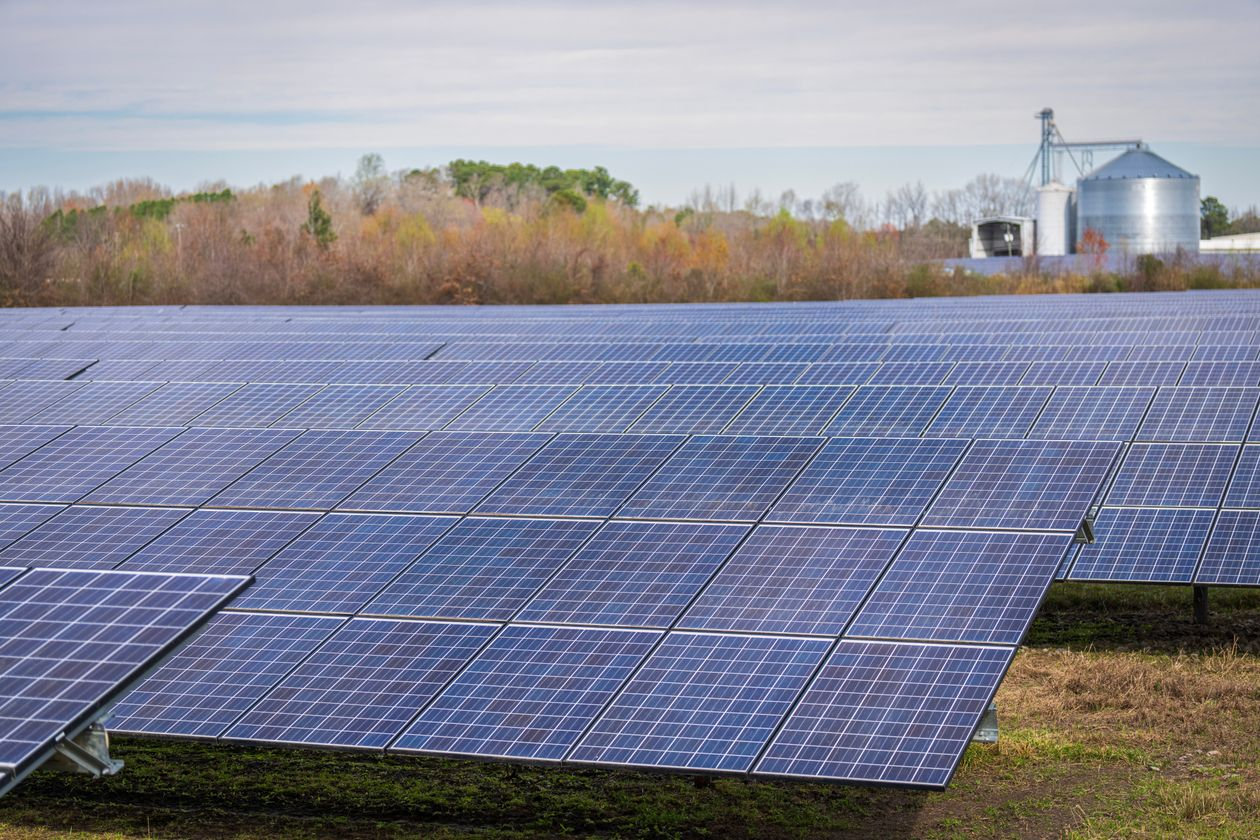
The authorised solar design comprises 66,366 LONGi bifacial modules rated at 610 Wp each, giving approximately 40.48 MWp of installed direct-current panel capacity. The modules are to be mounted on single-axis trackers, allowing their orientation to change through the day. Actual electricity output will vary with irradiation, temperature, availability and the operating settings of the equipment, while bifacial production also depends on light reaching the rear surfaces of the modules.
Power conversion will be provided by 120 Huawei inverters, each listed with a nominal active-power output of 300 kW. Their combined rated AC capacity is 36 MW, below the DC peak rating of the panels. This difference is a normal design characteristic in solar installations: panel output measured under standard test conditions does not represent continuous production, and inverters have their own conversion limits. At times of strong sunlight, the output available from the DC array may exceed what the AC equipment can deliver.
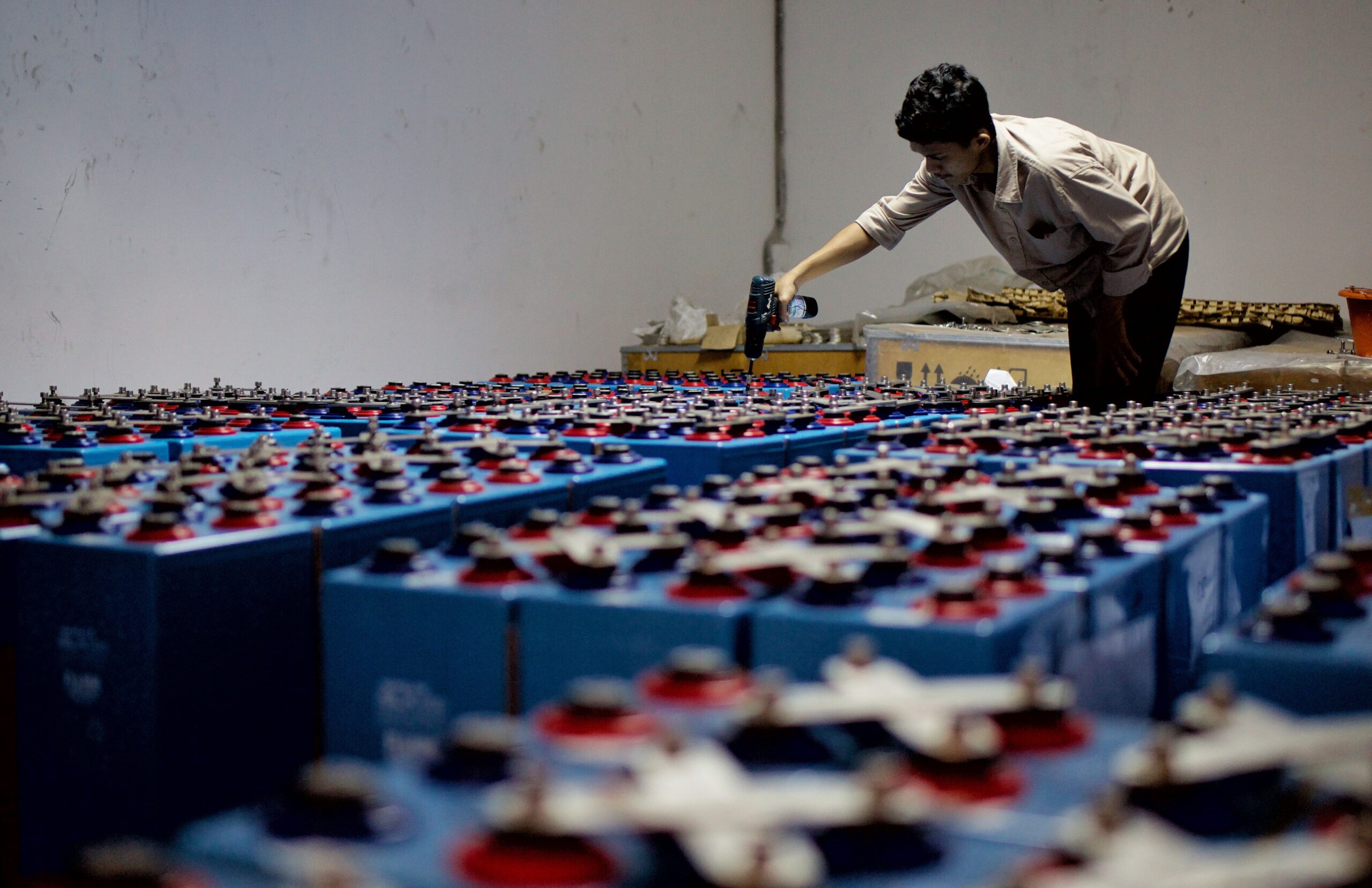
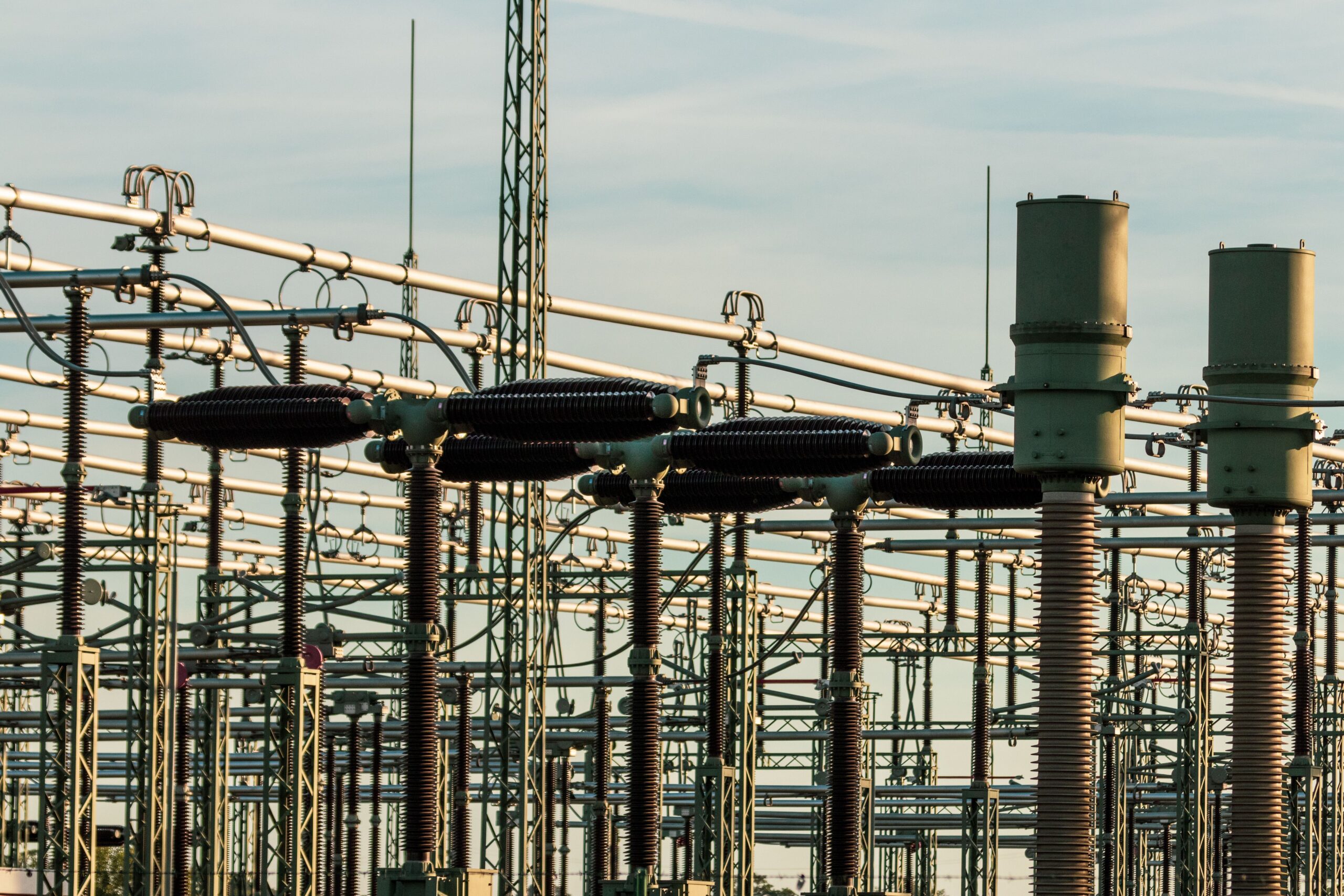
Six skid-mounted transformer centres are specified, each incorporating a transformer rated at 6,000 kVA. The combined apparent-power nameplate capacity is therefore 36 MVA, which should not be confused with the plant’s 36 MW active-power inverter rating. The transformers raise the inverter collection voltage to the site’s medium-voltage network. Their actual usable real-power throughput depends on operating power factor and temperature-related limits, while switchgear and protection equipment must coordinate the safe connection and isolation of plant sections.
Underground 30 kV cables will connect the solar transformer centres to the switching installation and the authorised evacuation arrangement. Environmental provisions changed the earlier evacuation design by replacing a proposed overhead section with a buried route to reduce risks to birds. Construction also has to observe watercourse and drainage requirements, including restrictions on locating electrical equipment within preferential flood-flow areas. These conditions shape cable routing, civil works and equipment siting as well as the electrical layout.
Hybridisation allows two generation technologies to contribute through related connection infrastructure, but it does not remove the capacity constraints of that infrastructure. Wind production is driven by wind speed, while photovoltaic output follows available solar radiation. Their generation profiles may sometimes complement one another, although periods of simultaneous strong production can still occur. The plant’s active-power control and export arrangements must therefore ensure that generation remains within the applicable connection limit rather than simply dispatching the total theoretical capacity of all equipment.
The project entered the approvals process with an application in November 2022, followed by revisions and environmental assessment. Preliminary administrative authorisation was granted in July 2025, while the executive project carries a June 2025 date. The published 20 October 2026 decision adds permission to construct the specified solar generation and evacuation equipment, subject to the technical and environmental conditions recorded in the authorisation.
Naturgy must now implement the authorised design and complete the electrical, protection and connection tests required for later operating approval. Installation will involve the trackers and PV modules, inverter stations, transformers, underground collector cables and switching equipment, all coordinated with the existing wind farm connection. The developer must also secure any separate permissions required under other applicable legislation before the relevant works are carried out.
The decision sets a regulatory framework for the deadline for later operating approval, including extension provisions under the applicable legislation. Actual energisation will depend on construction progress and acceptance of the grid interface, which must manage the combined wind and solar export within the permitted connection capacity. The next physical milestones are site works, installation of the authorised equipment and testing of the shared electrical arrangements before the solar plant can enter service.