IN Brief:
- The 39 MW/117 MWh Les Sablons lithium iron phosphate battery has a nominal three-hour discharge duration.
- Natural Power supported technical due diligence covering permits, grid arrangements, contracts and financial-model assumptions.
- GazelEnergie will manage commercial dispatch under an earlier agreement, while Enertrag retains operations and maintenance responsibilities.
Enertrag has reached financial close for the 39 MW/117 MWh Les Sablons battery energy storage project at Vendeuil in France’s Hauts-de-France region. The lithium iron phosphate installation is under construction, with commercial operation targeted for spring 2027. UK consultancy Natural Power provided technical due diligence for the financing, reviewing permitting, grid connection and the contractual and engineering arrangements supporting the development. The financial close follows an electricity marketing agreement concluded earlier in 2026.
The energy and power ratings describe different characteristics of Les Sablons. Its 39 MW figure is the stated discharge power capability, while 117 MWh is the amount of stored electrical energy represented by the project’s nominal specification. Dividing the two gives a three-hour duration at rated power, before considering real operating conditions and usable energy limits. The precise dispatchable energy during a given operating cycle will depend on the battery’s state of charge, operating restrictions, conversion losses and degradation over its service life.
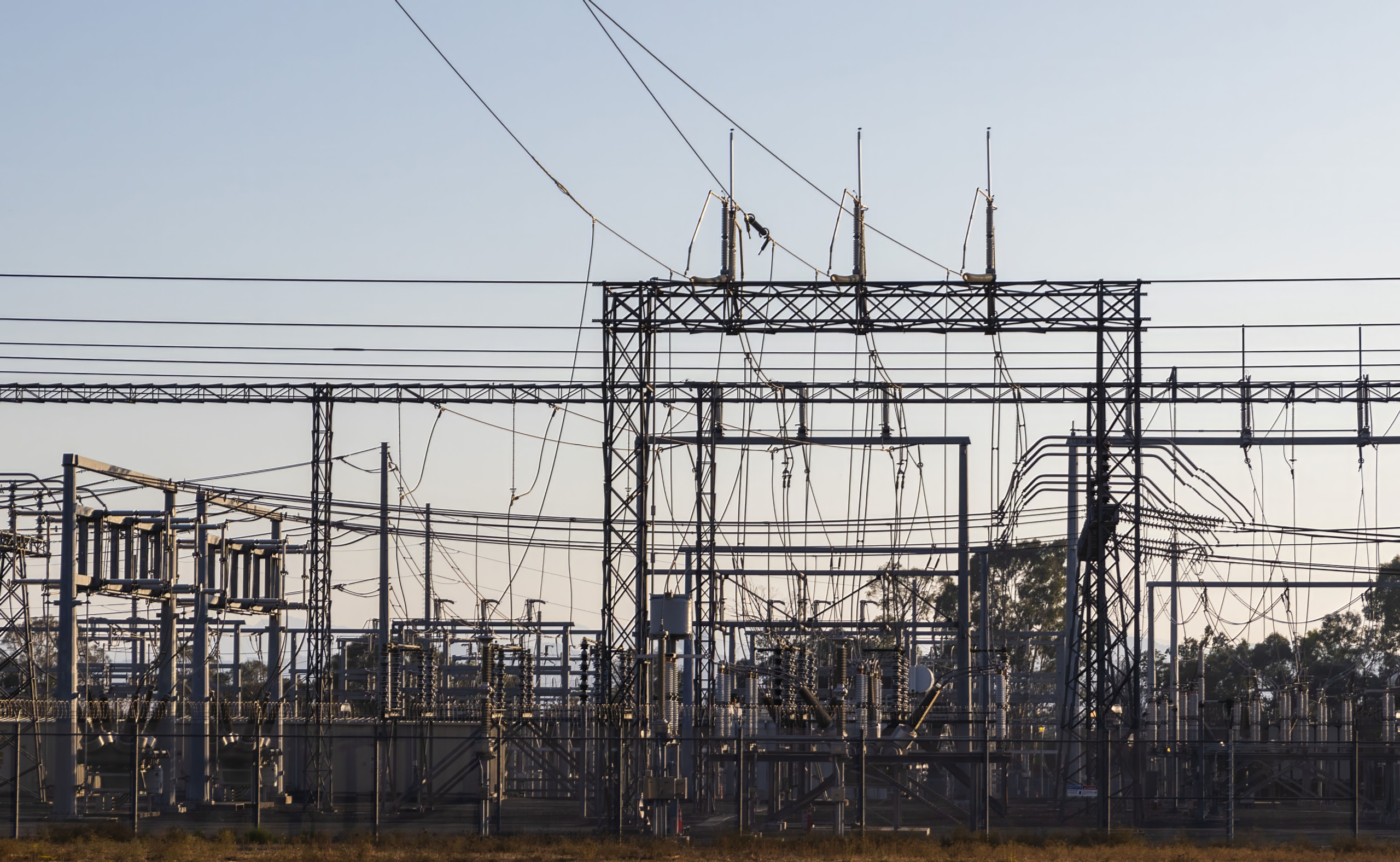
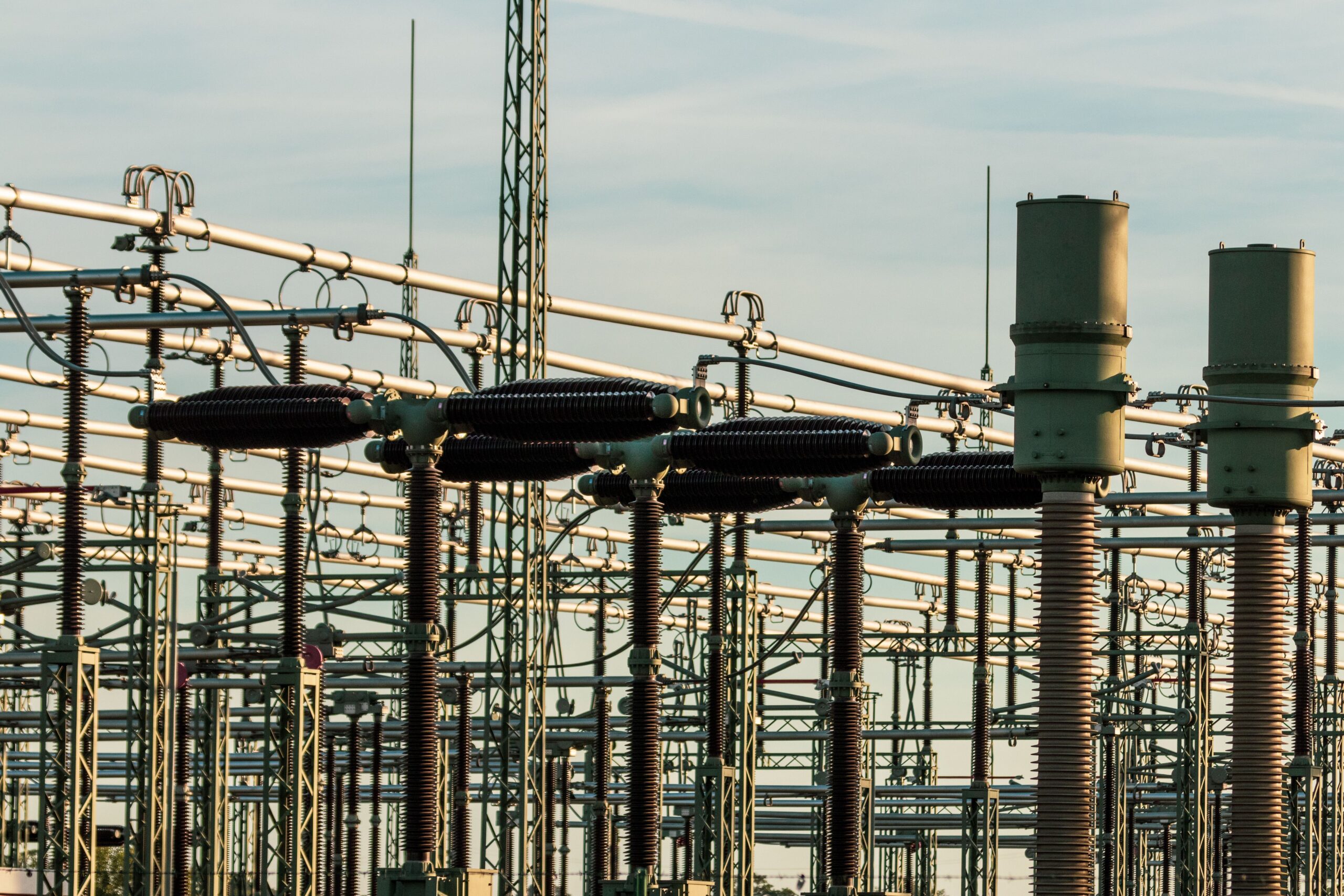
Les Sablons is being developed alongside two Enertrag wind farms, using the company’s private electrical substation. An earlier agreement described the wider wind and storage hub as having roughly 120 MW of installed capacity. The output exported through the connection will depend on wind generation, the battery’s charging or discharge schedule and the shared electrical limits, rather than simply equalling the sum of available generator and storage ratings at every moment.
At a combined wind and storage site, charging and discharging can be scheduled around both market conditions and electrical operating limits. The battery may charge when electricity is plentiful and discharge when its output is more valuable, although the source and destination of energy in any specific interval have not been disclosed. Battery controls must coordinate converters, switching arrangements, protection and site-level export limits so that one asset’s operation does not cause the shared connection to exceed its permitted capability.
Enertrag signed a long-term commercialisation agreement with GazelEnergie in June 2026, with the arrangement scheduled to take effect in 2027. Under that agreement, GazelEnergie is responsible for decisions on when the battery charges and discharges as part of marketing and optimisation. Enertrag will continue to manage operation and maintenance of the asset. The allocation of responsibilities separates commercial dispatch decisions from the engineering work needed to keep batteries, conversion equipment and supporting electrical systems available and operating within their limits.
That distinction is particularly important for a storage asset whose revenue may depend on participating in several electricity-market activities. A commercial optimiser can identify periods in which discharge or charging is economically attractive, but it cannot disregard the device’s physical constraints. Available battery energy, permissible current, temperature, reserve obligations and scheduled maintenance all affect the feasible operating profile. A three-hour nominal duration permits longer dispatch intervals than a one-hour installation of the same power, without guaranteeing a particular level of market income.
Natural Power reviewed the project’s permits and grid connection, engineering, procurement and construction agreements, operations and maintenance provisions, the route-to-market agreement and the technical inputs used in the financial model. For lenders, these assessments link estimated construction and operational performance to the contracts and technical assumptions underpinning repayment. The transaction value and financing terms remain private, while the confirmed milestone is completion of the financing process for the existing project.
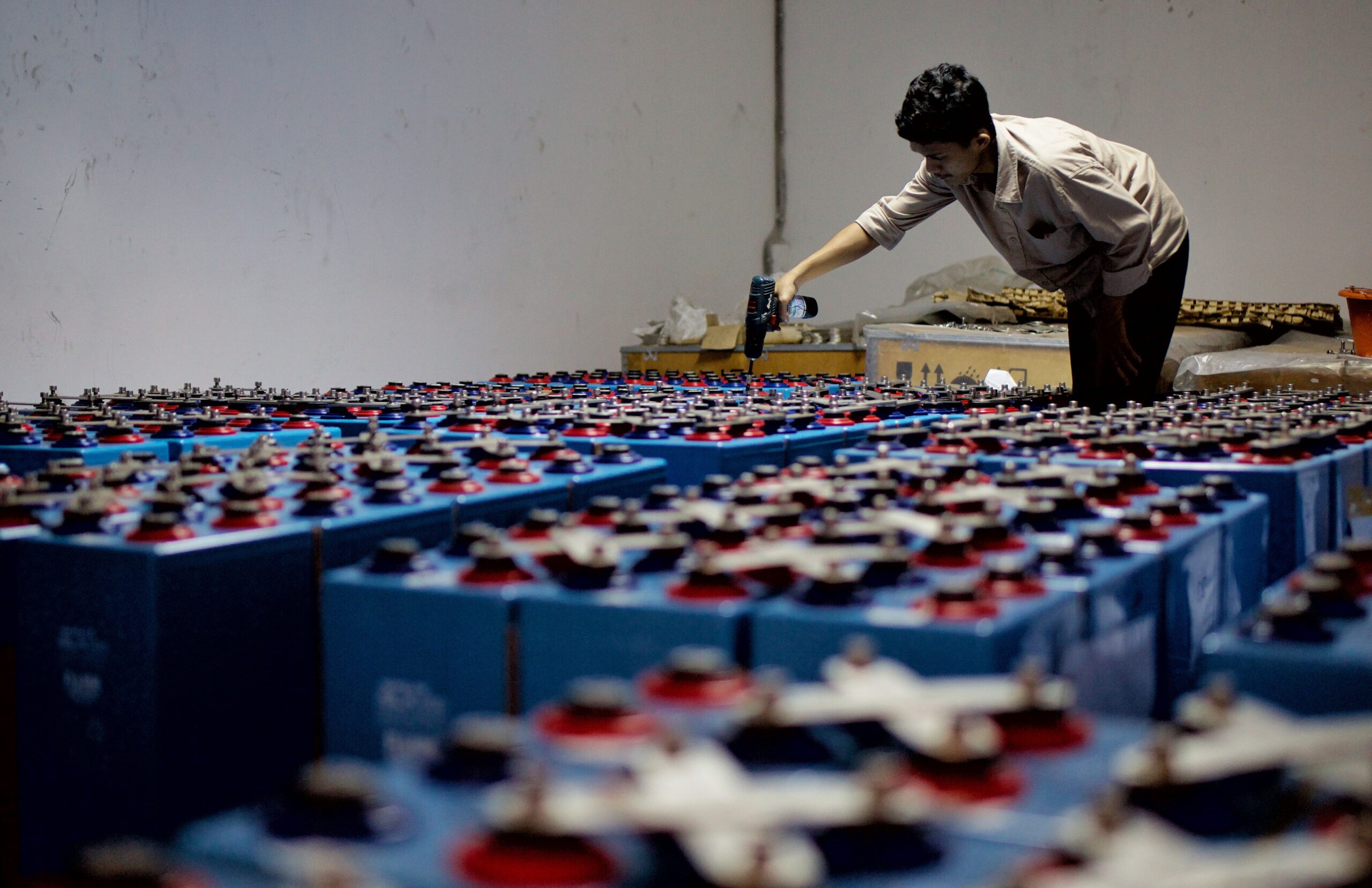
Lithium iron phosphate batteries store and release electrical energy through reversible electrochemical reactions. Their cells operate on direct current, while connection to the alternating-current network requires converters that control electrical output, reactive-power exchange and charging. Battery management and thermal control systems monitor cell voltage and temperature and enforce safe operating limits. Selection and integration of the battery containers, conversion equipment, transformers and plant protection will determine the site’s final operating performance.
France’s mix of nuclear generation and growing renewable output creates periods in which the timing of electricity supply and demand changes the value of stored energy. A three-hour battery can shift larger blocks of energy across price intervals than a shorter-duration asset with the same power rating, provided sufficient charge is available. Les Sablons’ eventual trading performance will follow its market arrangements, physical availability, network restrictions and any services it is qualified to provide after commissioning.
With financing closed and construction already under way, delivery now turns to installing the battery and conversion equipment, connecting them to the substation and proving the site-level control and protection systems. Commissioning must confirm that the plant can charge, discharge and respond to operating instructions within its electrical limits and the connection agreement. Enertrag’s spring 2027 target for commercial operation remains the next stated timetable milestone for the 117 MWh project.