IN Brief:
- DEME has secured the transport and installation contract for 69 Zeevonk offshore wind turbines.
- The work will use DEME’s Norse Energi jack-up vessel and follows a separate foundation award in July 2026.
- Zeevonk’s first offshore wind phase has planned installed capacity of approximately 1 GW; turbine installation remains future work.
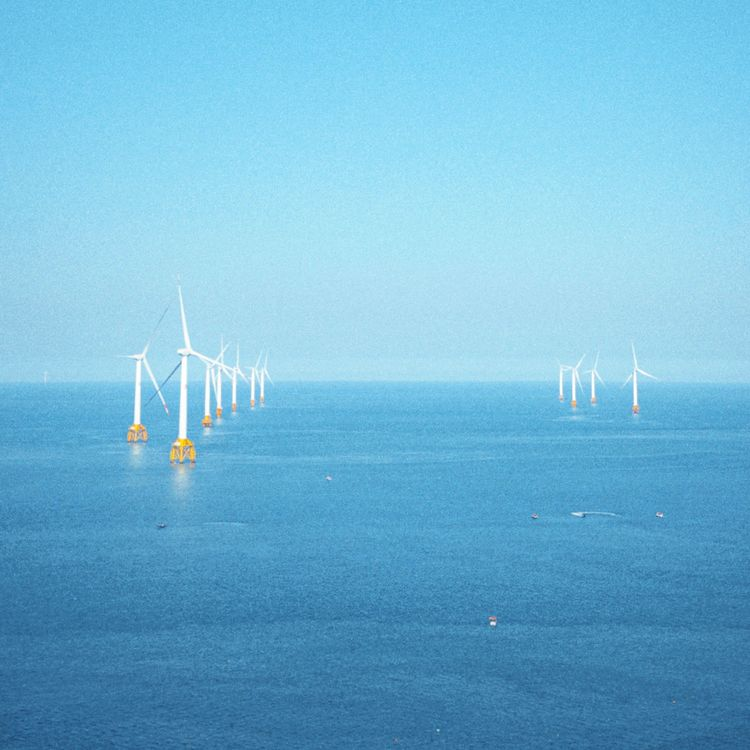
DEMEhas secured a contract to transport and install 69 wind turbines at the Zeevonk offshore wind farm in the Netherlands, extending its role in the project after receiving a separate foundation installation contract in July 2026. The new award was announced on 14 October and relates to future offshore installation work.
The turbines are to be installed using DEME’s next-generation jack-up transport and installation vessel Norse Energi. The project is jointly owned by Vattenfall and Copenhagen Infrastructure Partners through its Energy Investment Fund I and is planned to have an installed generating capacity of approximately 1 GW.
The award concerns transportation and installation of turbines for the first phase of the wind farm. It does not confirm that the turbines have been installed, that their electrical connections are operational or that the wind farm has begun generating electricity.
DEME’s earlier foundation contract includes intermediate transport of monopiles, marshalling of primary and secondary steel, transportation and installation of 69 monopile foundations and installation of a scour protection filter layer. The new turbine award is additional to that package, rather than a repetition of the foundation contract.
Foundation work must establish the offshore structures that will support the turbine towers and the mechanical loads imposed by the rotor and nacelle. Each monopile is driven into the seabed to provide structural support, with its design determined by site conditions, turbine loads and the characteristics of the offshore installation.
Scour protection addresses the risk that currents and waves remove seabed material around a foundation. Changes in the seabed can affect the surrounding support conditions, so the foundation package includes protective works selected for the project’s marine environment.
Once foundations have reached the required installation state, turbine assembly introduces different transport, lifting and alignment requirements. Major components include towers, nacelles, hubs and blades. Their mass, size and handling characteristics demand specialist lifting equipment and carefully planned offshore work sequences.
A jack-up vessel uses legs lowered to the seabed to lift its working platform above the sea surface. Raising the hull reduces the influence of wave motion during critical lifting operations compared with a freely floating vessel, although suitable weather and seabed conditions remain essential.
Norse Energi has been selected for the turbine installation work, but the contract announcement does not provide a verified date on which its first Zeevonk turbine will be lifted. The vessel assignment should not therefore be turned into a claim that the offshore installation campaign has already started.
The relationship between turbine size and overall wind farm capacity also requires care. Dividing approximately 1 GW by 69 turbines suggests a broad average in the 14 MW class, but the published contract statement does not establish a final per-turbine electrical rating from which an exact figure can be asserted.
Wind turbines convert the kinetic energy of moving air into mechanical rotation and then electricity. Their output depends on wind conditions, turbine availability and operating limitations. The project’s approximately 1 GW installed capacity is a planned power rating, not a prediction of continuous generation.
Turbines also require electrical collection infrastructure. Cables connect generating equipment to the offshore electrical network, with power subsequently transferred through the wind farm’s export system to an onshore connection. These electrical packages are distinct from the physical lifting and turbine assembly work covered by the latest DEME award.
Coordination between foundations, turbine installation, cables and offshore electrical works is essential because one stage can constrain progress in another. The installation contractor must work within agreed interfaces, including the readiness of foundation structures and access to the offshore locations.
The heavy lifting programme will be influenced by wind, wave and visibility conditions as well as vessel availability. Lifting limits and weather windows form part of offshore construction planning, particularly where large blades or nacelles are handled high above the working deck.
DEME’s ability to perform both foundation and turbine installation work may provide opportunities to coordinate elements of the offshore construction sequence. The company has not, however, published a verified saving in construction time or project cost resulting from the combination of the two contracts.
The financial value of the new contract was described by DEME as sizable, without disclosure of a precise amount in the announcement. An approximate contract price should not be inferred from the number of turbines or the wind farm’s overall planned capacity.
Zeevonk remains a development with future installation and commissioning activities ahead. Its planned generating capacity does not establish a first-power date or final operating completion date, neither of which is specified in the turbine contract release.
The October award increases DEME’s work on the project from foundations to turbine installation, with 69 turbines now assigned to the contractor’s Norse Energi vessel. The engineering milestone reported is a signed installation contract, while delivery, lifting, electrical integration and commissioning remain to follow.