IN Brief:
- Actis is acquiring 244MW/1,141MWh of Polish battery capacity across projects at Kozienice and Trzebinia.
- Both assets provide more than four hours of storage and hold capacity market contracts lasting 17 years, with payments linked to inflation.
- Kozienice is ready for construction, while the Trzebinia acquisition is scheduled to complete once that project becomes operational.
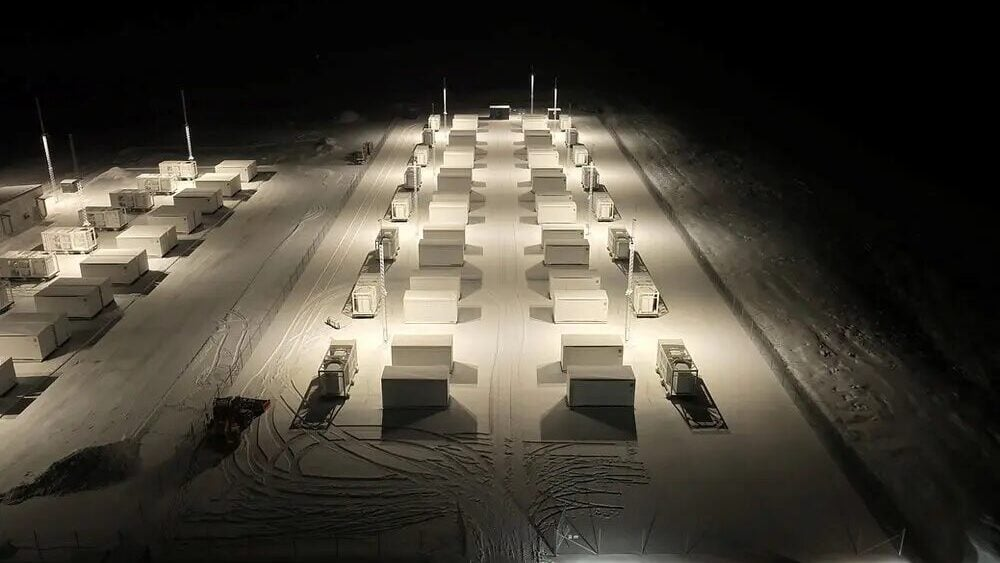
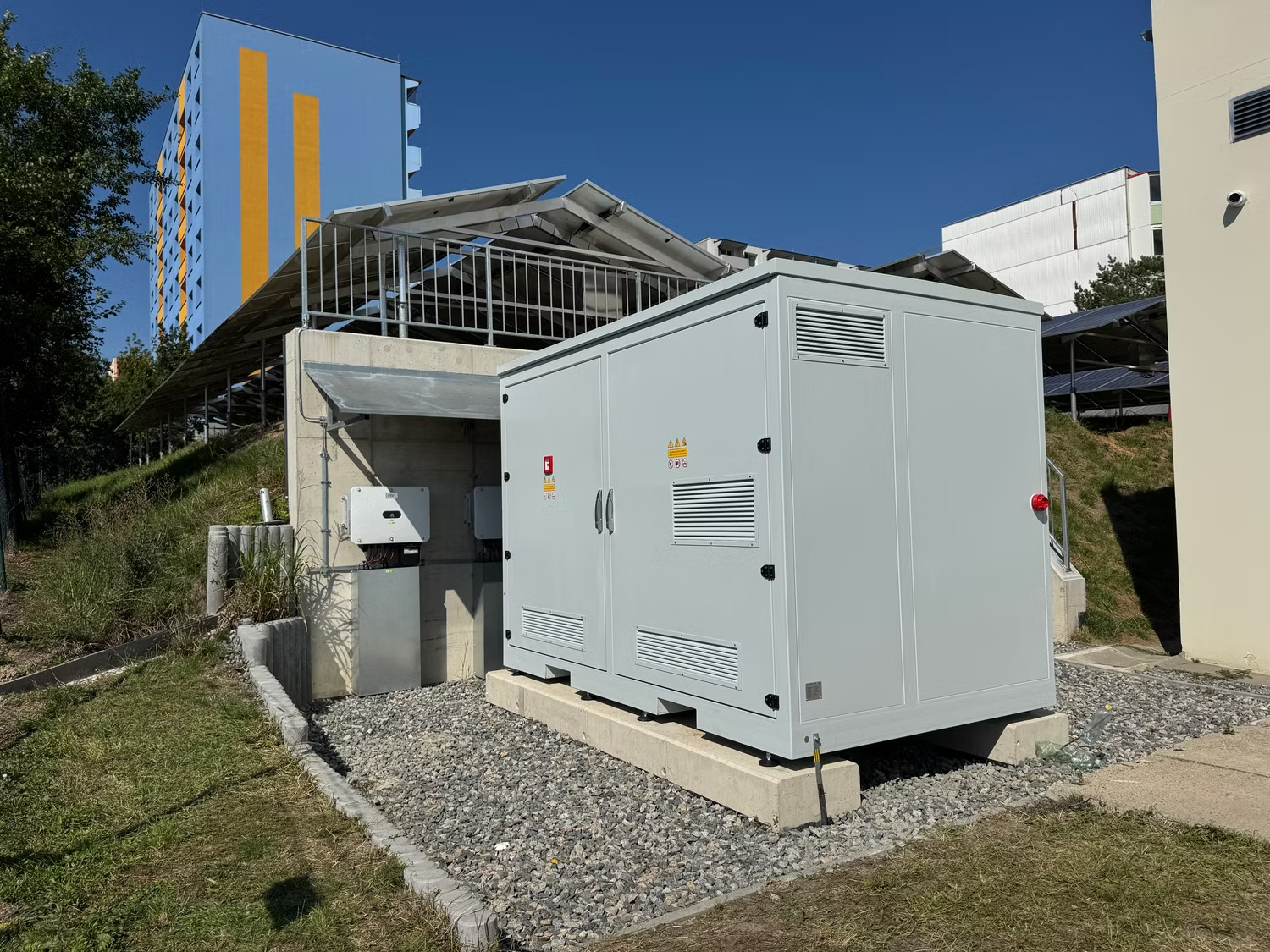
Actis is acquiring two Polish battery storage projects providing a combined 244MW of power and 1,141MWh of energy capacity as it expands the renewable energy platform it launched in the country this summer.
The projects are being acquired from DRI. A 112MW/518MWh system at Kozienice has already been acquired and is ready for construction, while a 132MW/623MWh project at Trzebinia has been signed and is scheduled to complete once the asset becomes operational.
Together, the batteries provide more than four hours of storage and have secured capacity market contracts lasting 17 years, with payments linked to inflation. The capacity agreements give the assets a contracted revenue component alongside income that can be earned through charging, discharging, and participation in Polish electricity markets.
A capacity market contract pays qualifying assets for being available when the system requires capacity, subject to the relevant performance obligations. It does not determine the battery's normal hourly dispatch, leaving operators to manage charging, wholesale trading, and other services around those commitments.
That combination can reduce some of the revenue uncertainty around utility scale storage. Merchant batteries can earn money from electricity price spreads and system services, but those markets are variable and can become more competitive as storage capacity increases. A capacity payment adds a different revenue stream tied to availability rather than individual trading decisions.
The energy rating also changes the operating options available to the two projects. At their stated power and energy capacities, both can sustain maximum output for more than four hours in theoretical terms. Actual operation will be constrained by limits on state of charge, conversion losses, battery degradation, network instructions, and the amount of capacity reserved for other services.
Storage of this duration can move considerably more energy between periods of low and high system value than a short duration battery. It remains finite, however, and has to be charged before it can discharge. Storage therefore complements generation and network investment rather than replacing the need for sufficient production, transmission capacity, and controllable demand.
Actis launched its Polish platform in July through the acquisition of Klara Renewables, a 171MW operating onshore wind portfolio with approximately 275MW of potential for solar and battery projects located alongside existing generation. The platform is targeting as much as 1.5GW across wind, solar, and storage.
Adding standalone batteries changes the composition of that platform. Operating wind assets provide generation, while batteries can move electricity across time and respond rapidly to changing system conditions. Storage located alongside generation can also make use of existing grid infrastructure where technical and commercial conditions allow, although the precise operating model depends on each project's connection and market arrangements.
The Trzebinia project had already passed major financing milestones before the Actis transaction. DRI secured approximately PLN470m of project finance without recourse in June, backed by Poland's export credit agency KUKE, for construction of the asset. Earlier DRI material described the project at around 133MW, while Actis now gives the transaction specification as 132MW/623MWh.
The current acquisition figures provide the appropriate specification because storage designs can change during development as grid studies, equipment selection, financing, and commercial strategy are finalised. The same principle applies to Kozienice, where the figures stated by Actis should take precedence over older development stage descriptions.
Poland is drawing a growing pipeline of batteries designed for several hours of discharge as its generation mix changes. Related projects include Northland Power's financing of 300MW/1.2GWh of Polish storage and a separate Statkraft optimisation agreement covering 400MW/1.6GWh of Greenvolt projects.
Actis expects Poland to retire approximately 18GW of coal capacity while adding around 50GW of renewable generation and 14GW of gas capacity by 2040. Industrial activity, transport electrification, and other new loads are also expected to increase electricity demand, creating a power system with greater requirements for capacity and operational flexibility.
Batteries can respond to imbalances much faster than conventional thermal units and can absorb energy when renewable output exceeds immediate demand. Their contribution still depends on having sufficient stored energy available during tight periods, which is why duration and charging strategy become more important as batteries take on capacity market obligations rather than operating only in short duration ancillary services.
The two acquisitions also deepen Actis's position in Central and Eastern Europe. The investor says it has committed more than US$1.1bn across three platforms in the region, alongside its existing Rezolv Energy presence in Romania and Bulgaria.
Delivery now follows different paths at the two Polish sites. Kozienice is ready to proceed into construction under Actis ownership, while the Trzebinia transaction is structured to complete after the project becomes operational. Both will then sit inside a platform combining renewable generation with storage assets carrying long duration capacity commitments.